Skip to content
 Soft crafts encompass important finishing and support services that make energy infrastructure safe, functional, and compliant. With in-house crews and field-tested workflows, Oak Process Systems integrate soft craft services directly into construction, maintenance, and turnaround projects. The result: fewer delays, safer job sites, and tighter control over quality, schedule, and cost. They’re more than support, they’re key systems.
Soft crafts cover the finishing trades that protect, access, and stabilize process systems in the field. These include:
Whether the project is a new build, a system upgrade, or a scheduled turnaround, soft crafts ensure safer operations, longer equipment life, and easier maintenance access. Skipping them isn’t an option, neglect invites corrosion, energy loss, and regulatory violations.
Crews deploy these services across compressor stations, tank farms, vessel skids, and pipeline tie-ins. Thermal insulation controls heat loss and condensation and coatings guard against weather and chemical wear. Scaffolding ensures safe access, while heat tracing preserves flow in cold conditions. Each system extends the reliability and efficiency of what’s built, while reducing risk and downtime over time.

OPS streamlines project execution by packaging soft crafts alongside mechanical scopes. Crews coordinate insulation, scaffolding, coatings, and heat tracing in tandem with piping or structural work. This reduces subcontract delays, increases safety oversight, and speeds up project closeout.
The team provides stamped designs when necessary for multi-tiered or high-load scaffolds.
All scaffolds are inspected before use, with visible tagging to confirm status and safe entry.
Crews adapt scaffolds to fit uneven surfaces, existing piping, or tight clearances without compromising safety.
OPS mobilizes scaffold crews on short notice to support changing jobsite needs and staging adjustments.
Scaffold installation is sequenced alongside piping, welding, coatings, or insulation to reduce scheduling delays.
Crews apply insulation to high-temp, cryogenic, and ambient service lines using materials like mineral wool, calcium silicate, and closed-cell foam. Field crews size, cut, and fit systems to valves, flanges, and irregular geometry with full cladding and jacketing support. Projects include:
Field teams coordinate material staging and field fabrication to avoid downtime and ensure full system coverage. Every install includes traceability, fit verification, and field QA before turnover.
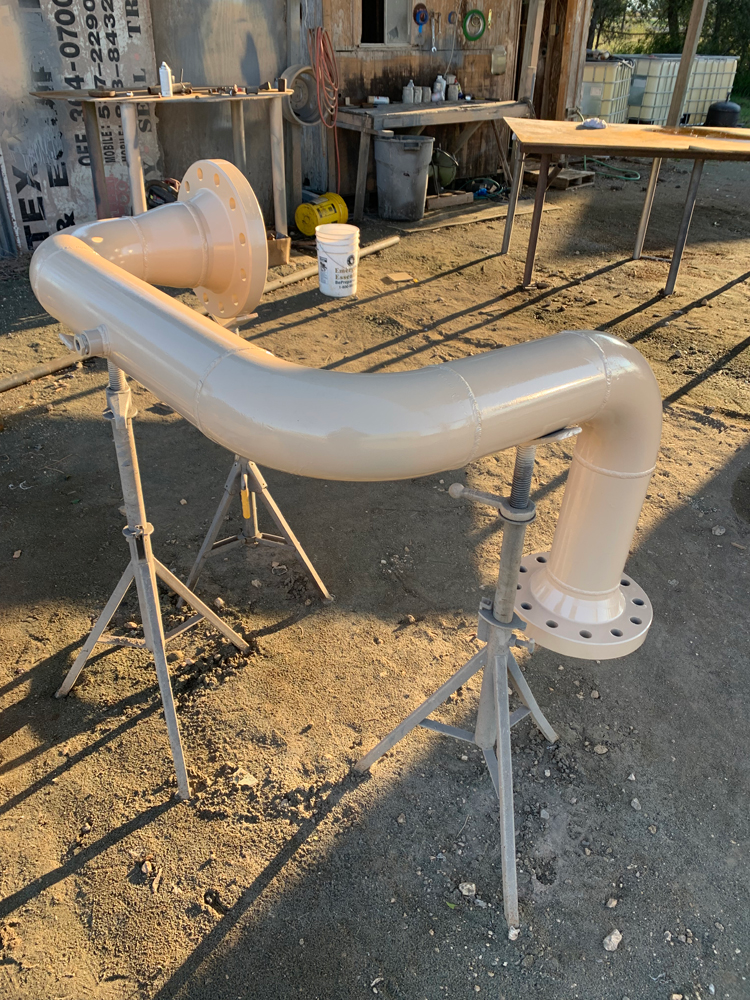
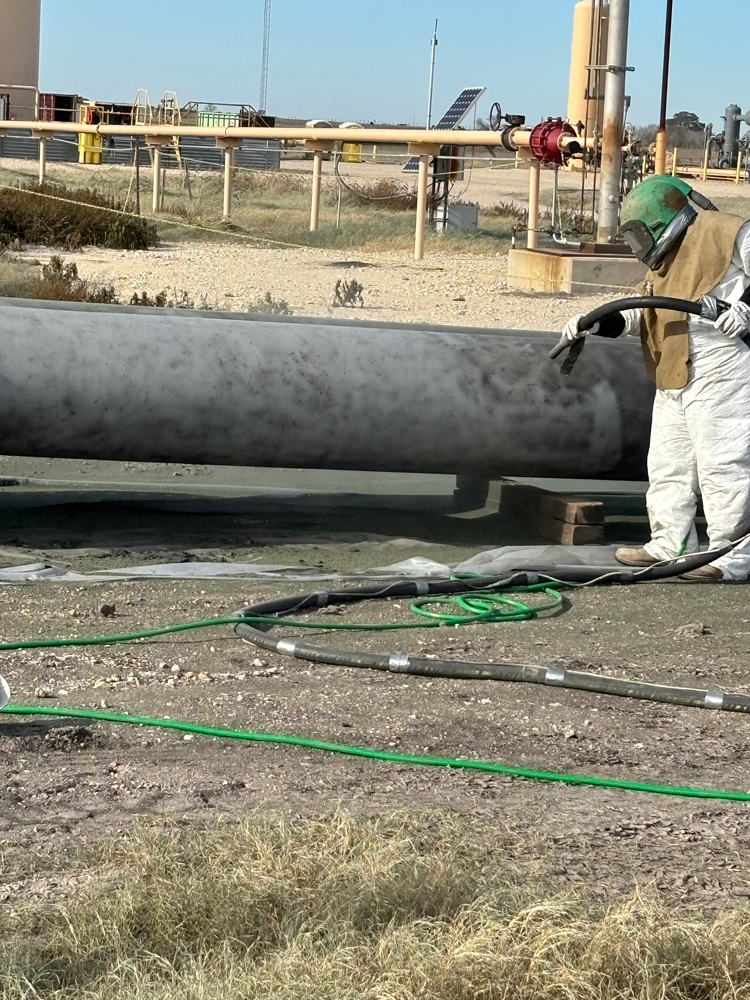
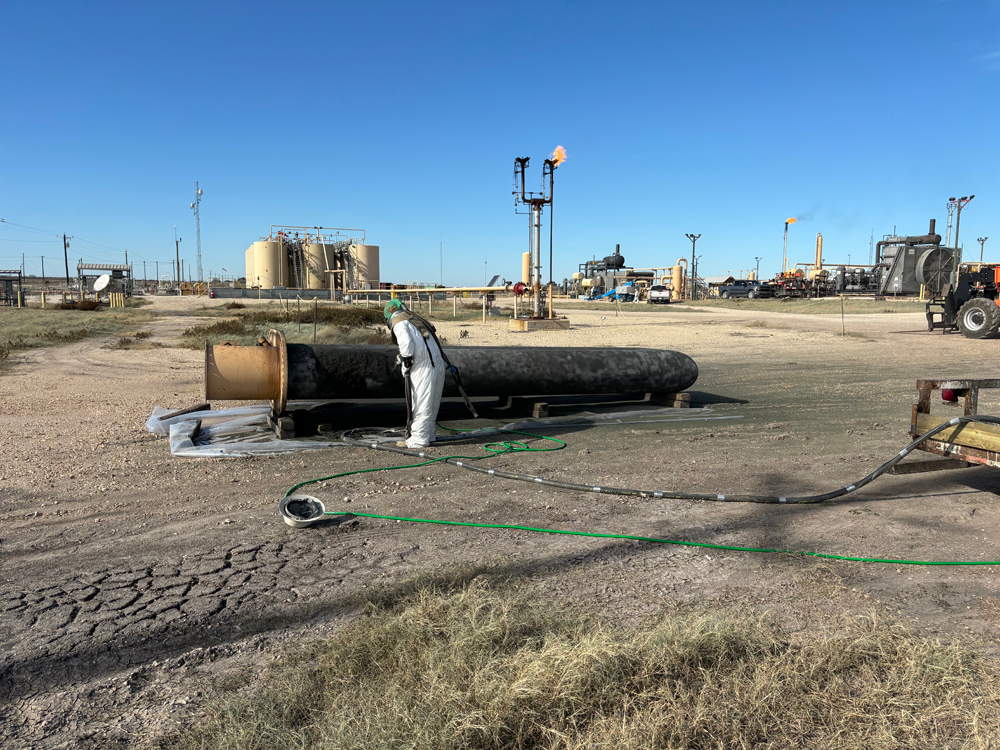
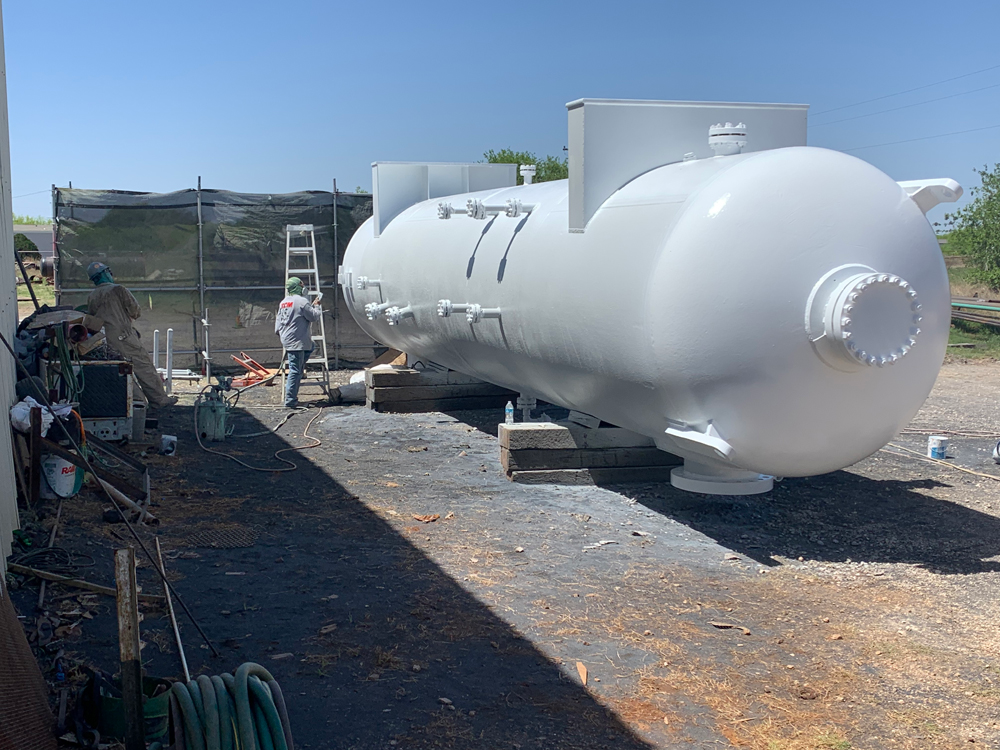
Blasting crews follow SSPC and NACE prep standards, selecting grit levels and profiles based on coating requirements. Media options include garnet, steel grit, and glass bead, with dust containment and cleanup integrated into the work zone.
Exterior surfaces of pipe, skids, and platforms are blasted, coated, and marked with system ID for fast tracking and final inspection. Staff includes touch-up kits or coating details in turnover packages.
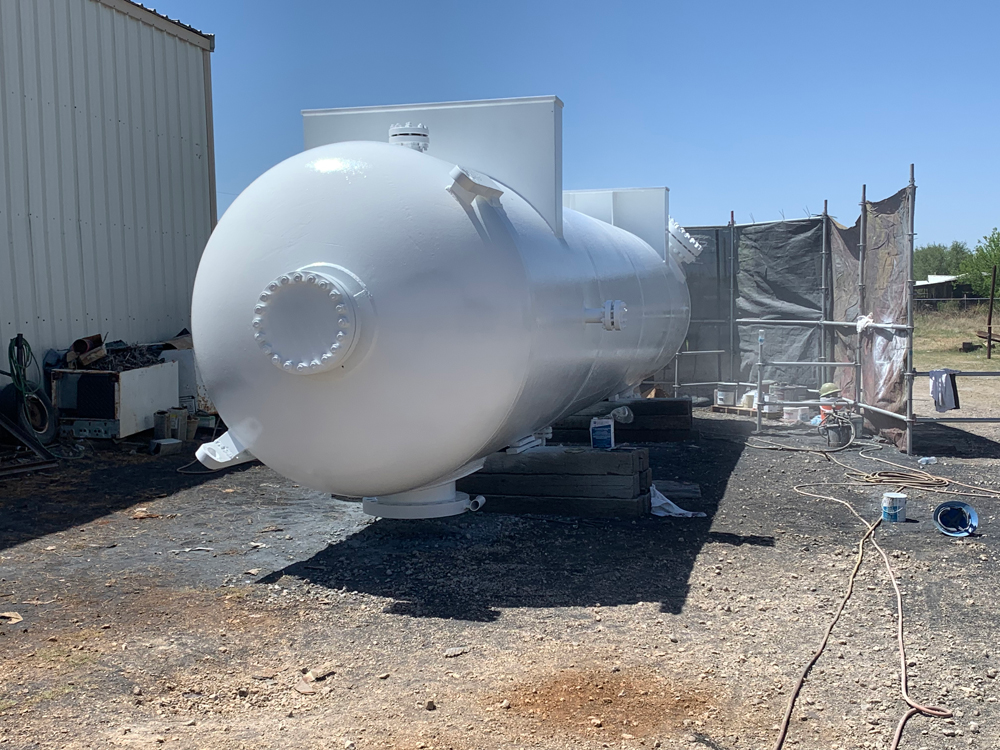
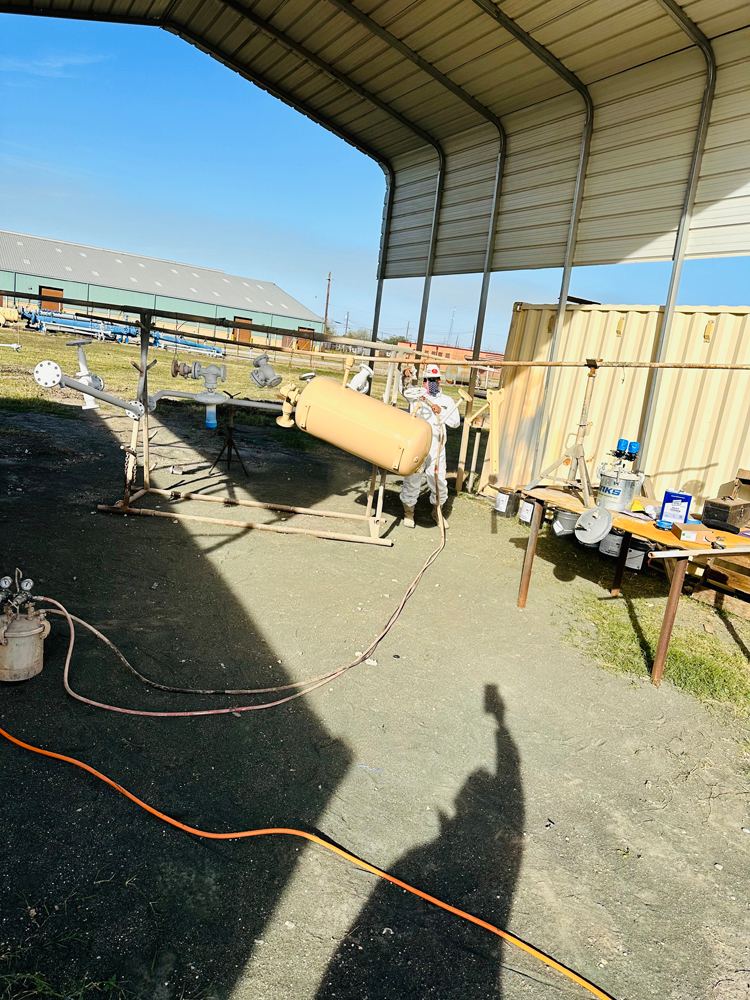
OPS applies epoxy, urethane, and zinc-rich primers as base layers, followed by topcoats or linings designed for chemical resistance, UV exposure, or immersion duty. Each system receives holiday testing and dry film thickness checks.
Internal linings for tanks and vessels are applied with specialty materials rated for hydrocarbons, brine, or produced water. Crews manage access, ventilation, and cure times to maintain spec.
For repairs or cut-ins, teams blend new coating work with existing systems using feathered edges, surface matching, and fast-cure materials. Field crews maintain protection integrity without disrupting service.
OPS manages coating from prep to cure with full traceability, ensuring every layer meets environmental and performance expectations.
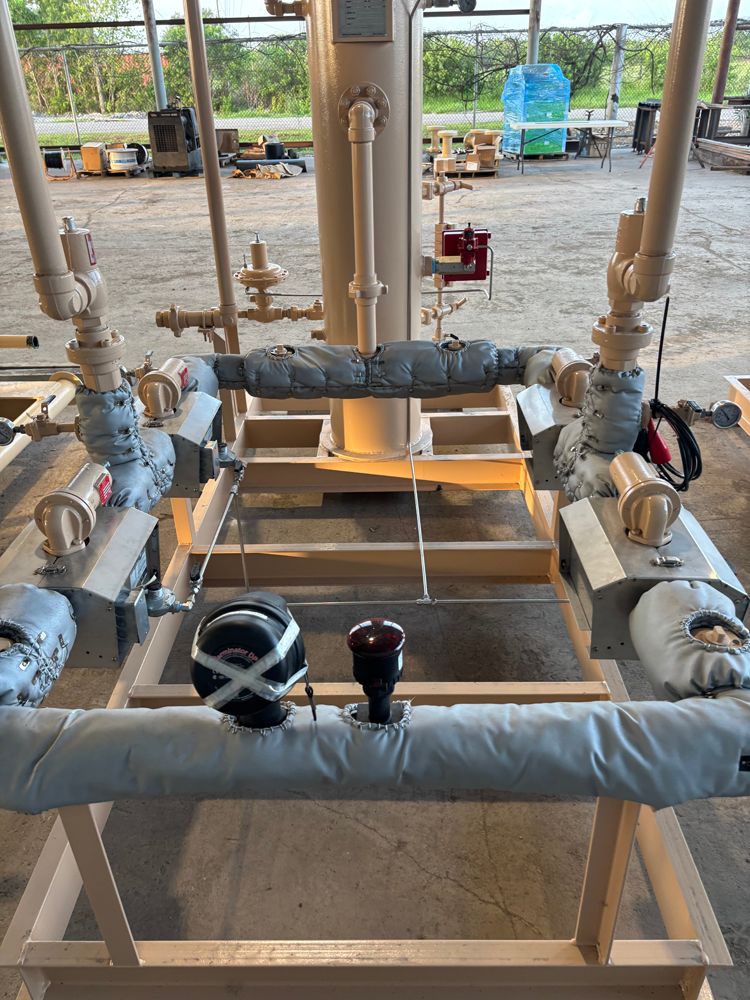
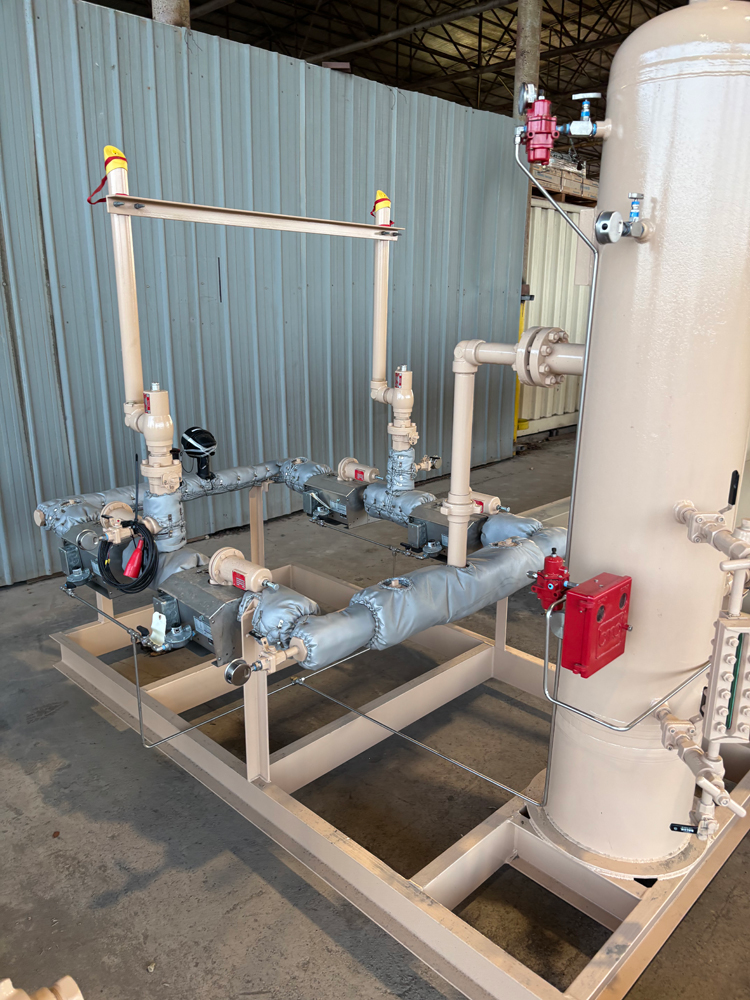
Heat tracing prevents freezing, stabilizes flow, and maintains temperature in oil and gas infrastructure. Staff designs and installs electric and steam tracing systems across process lines, storage tanks, and instrumentation. These systems are key for winter operations, especially in remote locations where ambient temperature drops can halt flow or damage equipment.
Technicians handle every step of the process, from cable routing and circuit layout to temperature sensor placement and control cabinet tie-in. Teams size each heat trace run based on pipe diameter, line content, exposure, and environment. Field crews support new builds, retrofits, and emergency freeze response, working safely under live plant conditions or during shutdown windows.
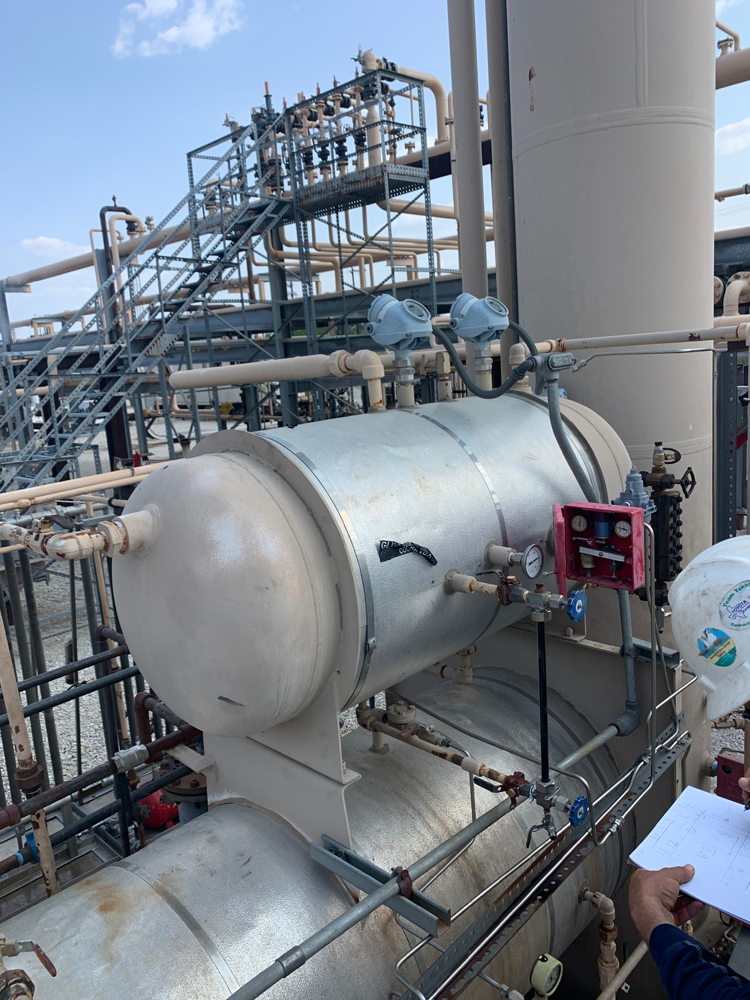
Each heat tracing system gets tailored to the process, climate, and safety requirements of the facility. Crews manage routing, thermal performance, and system protection to ensure long-term reliability.
Each installation aligns with the facility’s operational demands and commissioning schedule, minimizing delays and ensuring full system functionality from day one.
Pipeline and facility coatings often sustain damage during handling, welding, hydrotesting, or mechanical tie-ins. These affected areas need fast, compliant repair to prevent corrosion, water intrusion, and long-term degradation. OPS performs field coating repairs as part of ongoing soft craft scopes or during project wrap-up, ensuring assets remain protected and fully spec-aligned before turnover.
Crews work alongside mechanical and inspection teams to spot, prep, and recoat compromised surfaces. Repairs take place on aboveground piping, buried sections, structural steel, and process equipment. Technicians match the original coating system, or provide a compatible alternative, and deliver clean, tested results with full documentation.
Crews perform repairs across a variety of coating types and component surfaces. Field teams handle:
After tie-ins or assembly welds, they recoat bare metal using compatible materials, matching DFT (dry film thickness) and cure requirements.
Technicians use holiday detectors to identify coating breaches and apply patch systems that restore full barrier integrity.
During digs or installation, crews recoat excavated pipe using wrap systems, liquid epoxies, or shrink sleeves as dictated by spec.
After modification or welding on steel supports, crews reapply paint or galvanizing to protect against weather and chemical exposure.
Crews prep and recoat internal or external vessel areas with tank-grade liners, epoxy coatings, or corrosion-inhibiting primers.
These repairs ensure all systems meet project spec and long-term performance standards. OPS maintains traceability across all field-applied coatings and supports rapid inspection closeout.
 Optimized by Seraphinite Accelerator