Skip to content
 Pipeline systems demand precise construction and reliable field maintenance to operate safely and stay in compliance. Oak Process Systems delivers both, supporting upstream and midstream operations with full-scope services from new builds to emergency response.
The team handles everything from welding and valve installation to anomaly digs and right-of-way upkeep. OPS crews work efficiently, meet strict safety standards, and stay ready to mobilize. Each pipeline construction project moves forward with clear coordination, certified work, and long-term field integrity.
Pipeline construction and maintenance involve the full lifecycle of oil and gas line work, from initial installation to long-term field repair. New lines, tie-ins, integrity digs, and emergency interventions all require skilled execution under pressure. OPS supports both new development and ongoing operations by building, modifying, and maintaining pipeline systems with speed and precision.
The company’s crews handle planned capital projects and unplanned field work with equal focus. OPS can mobilize everything from short-run pipeline installations to main line valve retrofits and ROW restorations. The team works across a range of terrain and climate conditions, delivering pressure-rated welds, tested tie-ins, and field documentation that meets operator and regulatory expectations.
OPS responds quickly when pipeline defects or failures require targeted repair. Skilled personnel perform coating restoration after excavation, welding, or environmental wear. The team mitigates leaks by isolating the affected segment and replacing or repairing components through installing sleeves, clamping, spool swaps, or controlled cut-ins. Qualified welders can perform in-service hot work to address failed or degraded areas with certified remediation techniques, returning lines to service. Every repair meets industry safety standards and keeps critical systems operational with minimal downtime.

The company brings the tools and coordination needed to move a project from drawing to field-ready status. Field teams manage:
The company provides seamless field execution that supports safety, accuracy, and jobsite efficiency.
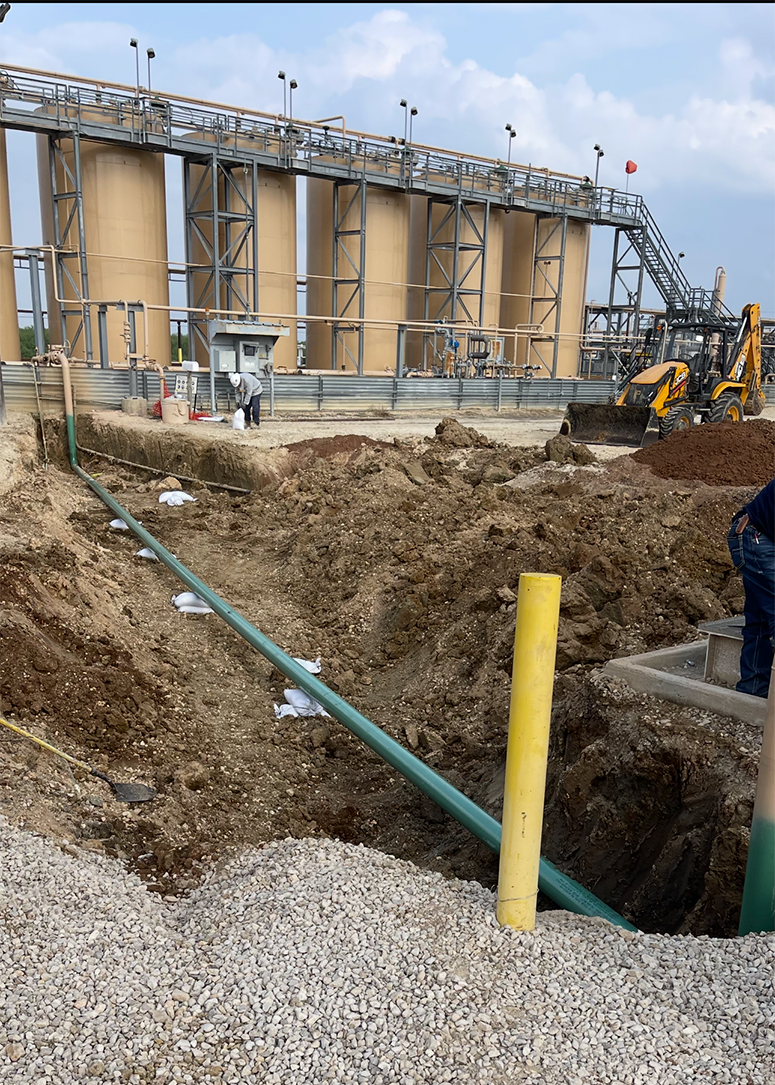
New pipeline construction demands accurate execution from the first cut to the final weld. Staff manage the entire process, grading, trenching, welding, hydrotesting, and tie-ins, with field-proven efficiency. The company builds lateral lines, short transmission segments, and in-field tie-ins, scaling teams and equipment to match project size, pressure class, and schedule.
OPS will coordinate right-of-way preparation, material handling, access control, and permit compliance alongside the build itself. The team works across undeveloped land, brownfield sites, and congested stations. Whether connecting new wells to gathering systems or tying in isolation valves on an active mainline, the company builds systems that hold alignment, pressure, and flow, without rework.
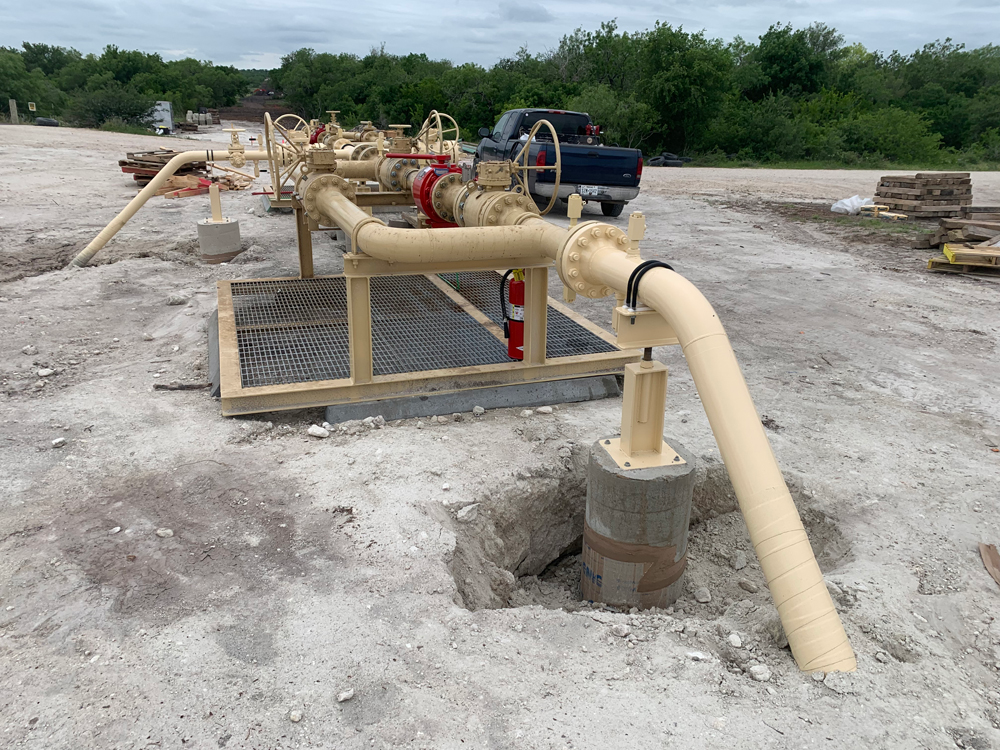
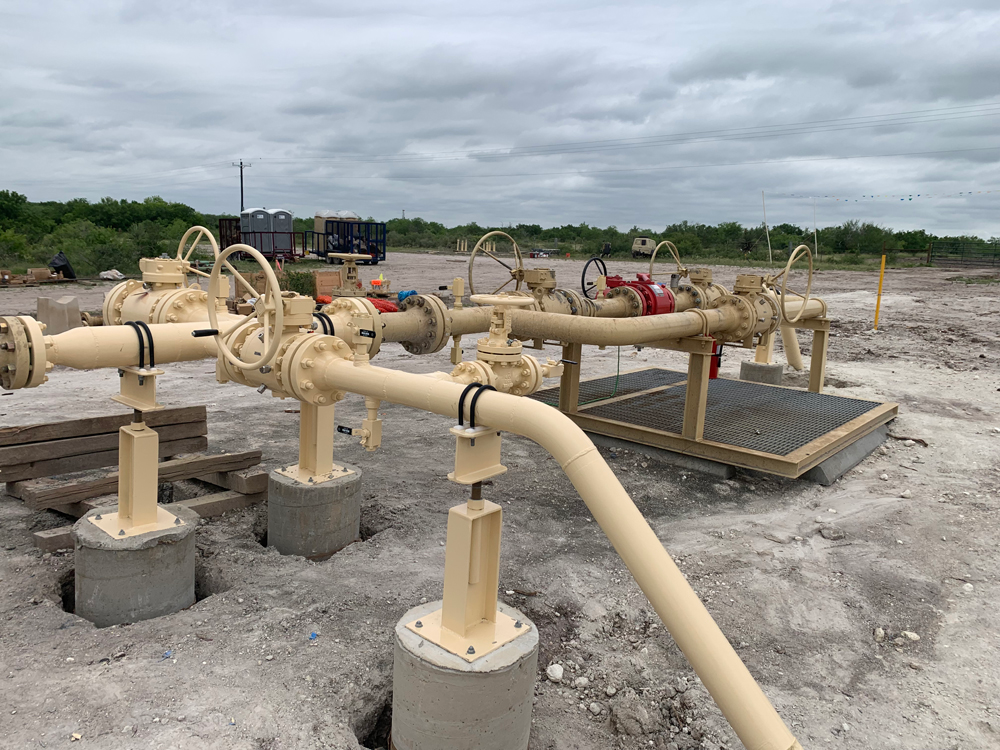
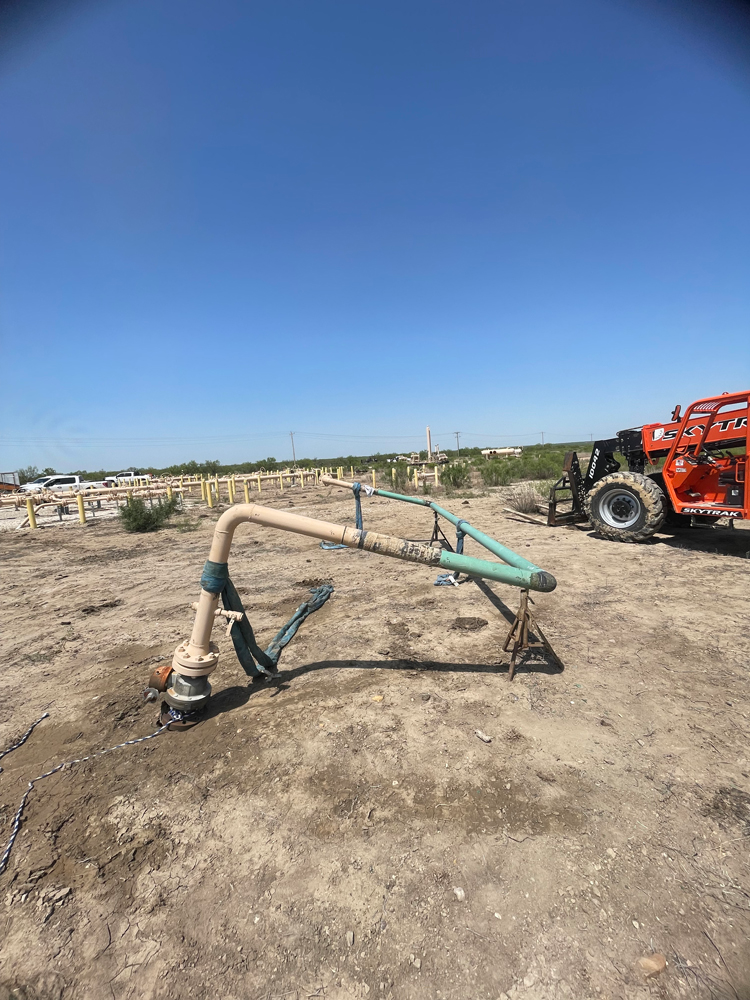
OPS fabricates key components required for permanent infrastructure. Crews build block valve assemblies with risers and supports to match operating pressure and system layout. Skilled tradesman fabricate pig launchers and receivers with full-barrel access, kickers, and drain systems ready for installation. Where transitions or elevation changes occur, they produces risers and bypass spools sized to maintain flow and support safe tie-ins. These fabricated systems arrive field-ready and integrate cleanly with minimal impact to mainline construction.
Each pipeline build follows a defined sequence of civil and mechanical activities. Civil grading and ROW prep comes first, where crews clear vegetation, stabilize soil, and trench the route to spec. Stringing and bending follows, with technicians laying out and shaping pipe segments to match alignment and elevation. Welding and assembly occurs next, welders join pipes using certified procedures, then inspect each joint to ensure proper fit-up and integrity.
Once assembled, hydrotesting and verification confirm system strength under controlled pressure and hold times. Finally, commissioning and tie-in complete the process, as crews backfill the line, clean it, and execute tie-ins to bring the system online. OPS documents each stage to maintain traceability and meet client quality and regulatory requirements.
Right-of-way (R.O.W.) maintenance keeps pipeline corridors visible, accessible, and in compliance with safety and regulatory standards. These maintained paths serve as critical access routes for inspections, emergency response, and integrity digs. They support pipeline operators by maintaining R.O.W.s to ensure proper clearance, structural stability, and uninterrupted access year-round.
The team performs scheduled and corrective maintenance tasks along pipeline corridors, adjusting methods based on terrain, seasonal conditions, and service history. Work may include vegetation control, grading, erosion repair, and access improvements. The company ensures each corridor remains safe to travel, easy to inspect, and compliant with DOT visibility and accessibility requirements.
Staff handle the full range of surface and subsurface right-of-way maintenance needs. Field crews manage:
The team regrades and reinforces roads to support equipment access and drainage in high-traffic or weather-sensitive areas.
Crews remove brush, mow overgrowth, and clear trees to maintain clear lines of sight and safe boundaries.
Technicians install erosion blankets, build diversion berms, and reinforce slopes to protect exposed pipe and maintain ROW stability.
They reinforce soft or unstable ground using matting, backfill, or structural shoring to keep the route safe for equipment and personnel.
Crews install or replace signs, line markers, and warning indicators along pipeline routes for visibility and compliance.
These services help operators maintain integrity, reduce access delays, and meet inspection standards.
Gathering systems transport raw oil, gas, and produced fluids from individual wellpads to central processing, separation, or compression facilities. These networks rely on small-diameter, short-run pipelines configured for rapid installation and efficient flow handling across varied terrain. They support upstream operators by building and maintaining these essential connections, ensuring consistent flow and early-stage production without delays or field disruptions.
OPS crews install gathering lines across greenfield and brownfield locations. Projects often involve multiple short runs with tight-radius bends, limited easements, and evolving pad layouts. The team handles trenching, pipe installation, welding, coating, and backfilling, followed by testing and startup support. Maintenance services include leak repair, flow optimization, and line integrity restoration to keep early-stage assets performing reliably.
The company performs system reviews and upgrades to improve performance over time. Crews rebalance flow across multi-pad networks, install pigging infrastructure to clear buildup, and retrofit older lines with modern valves or connections. When lines require repair, the team isolates, excavates, and replaces segments with minimal disruption to production. Each adjustment targets throughput, safety, and system longevity in active production environments.
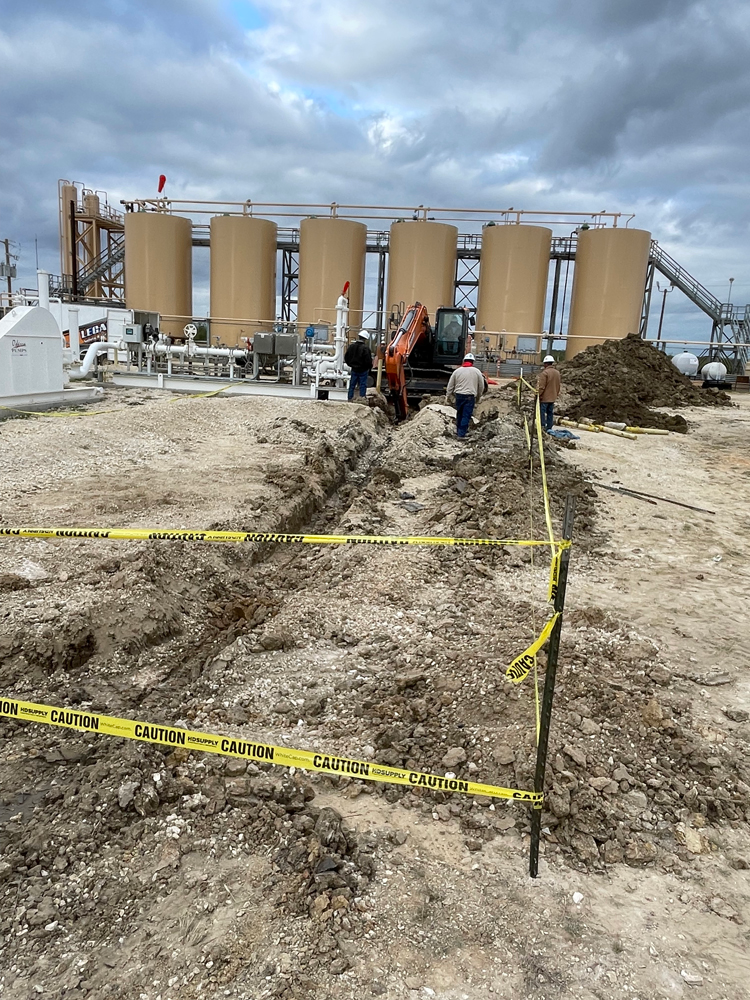
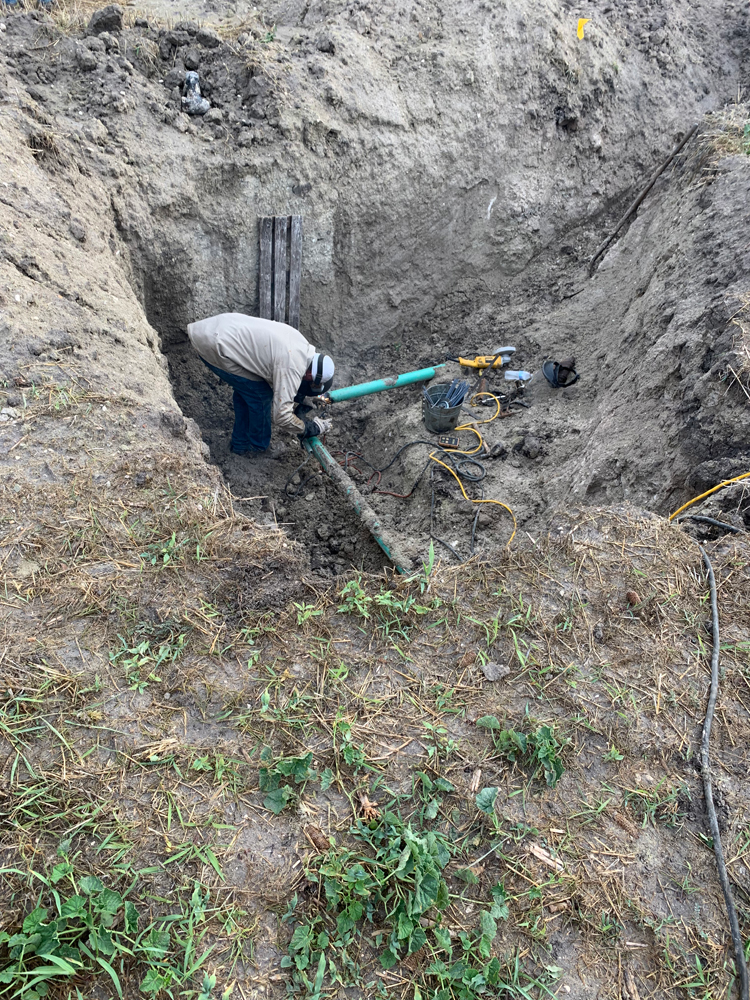
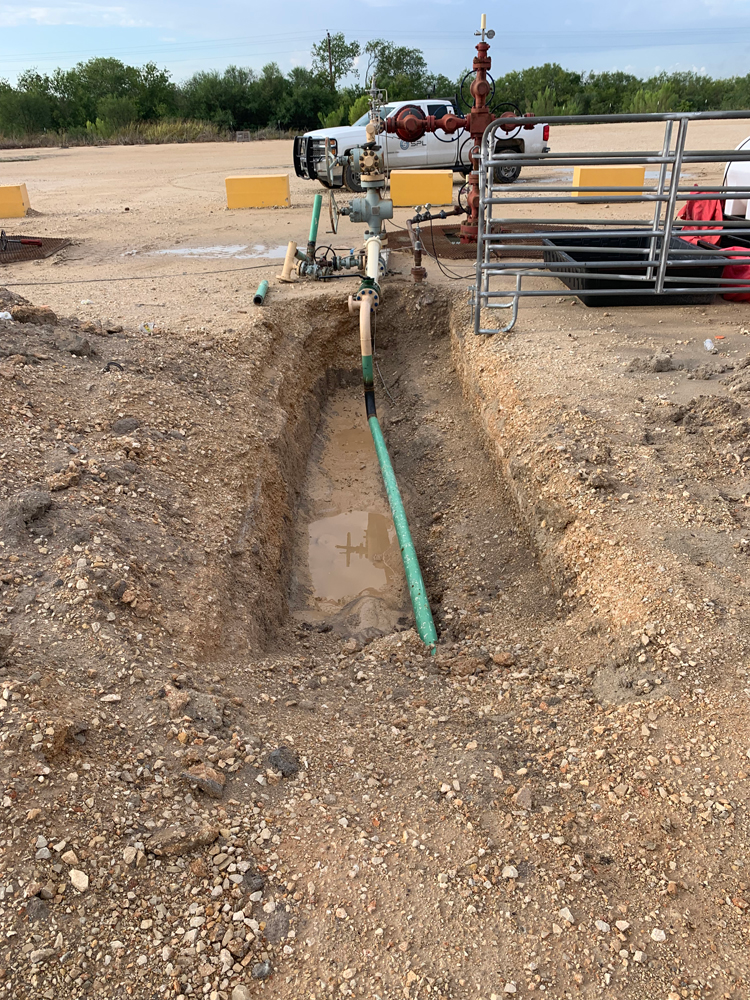
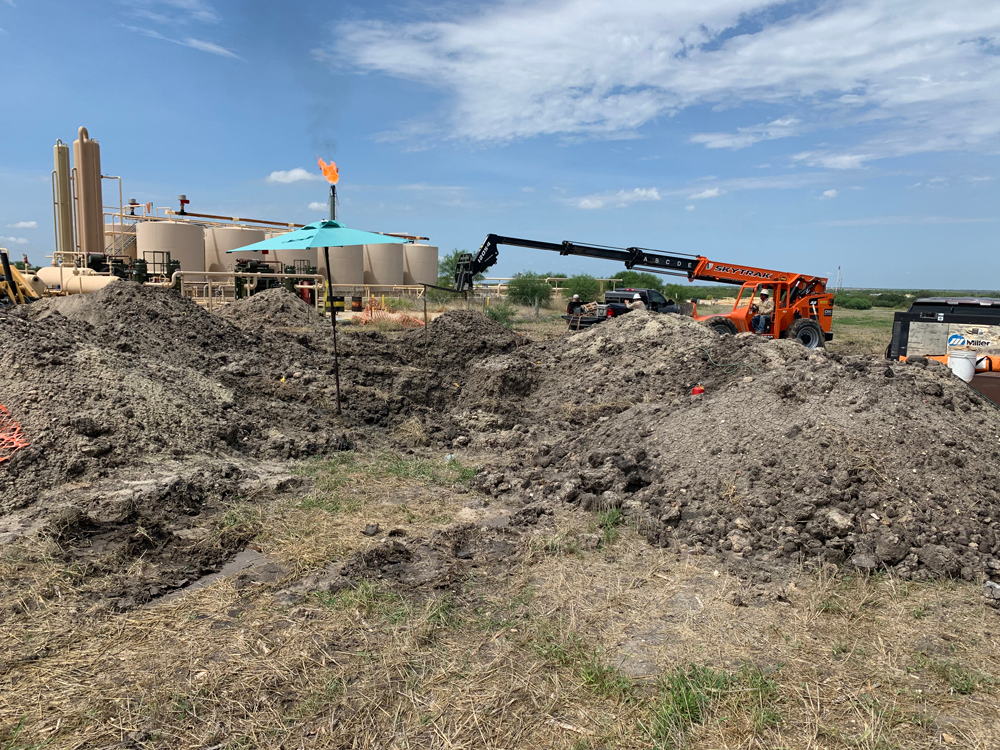
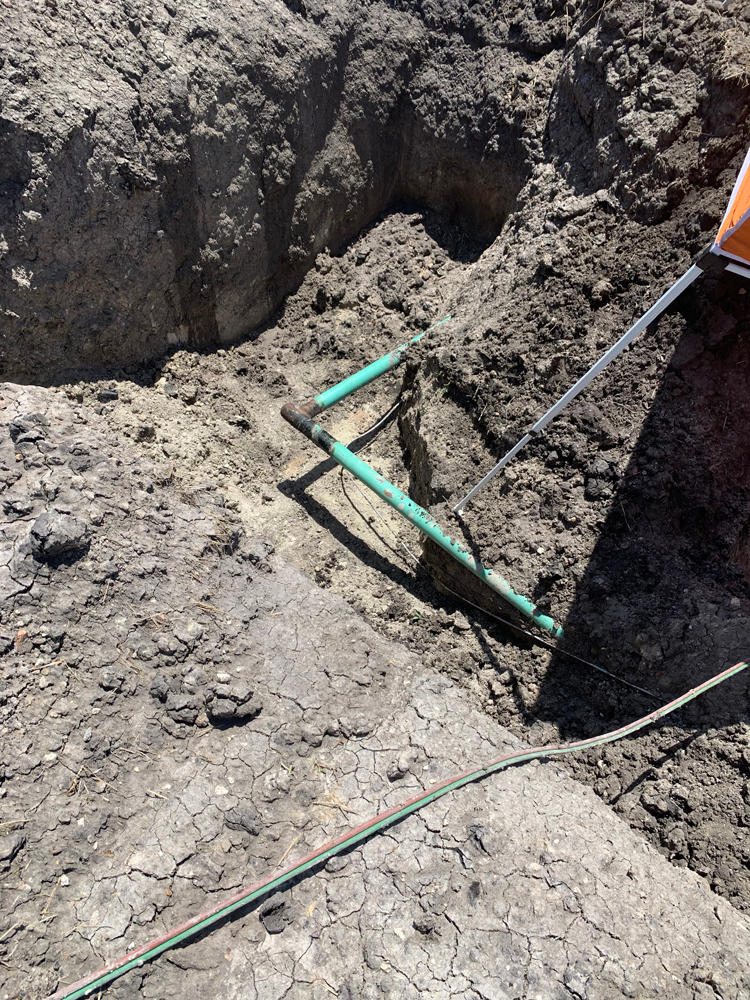
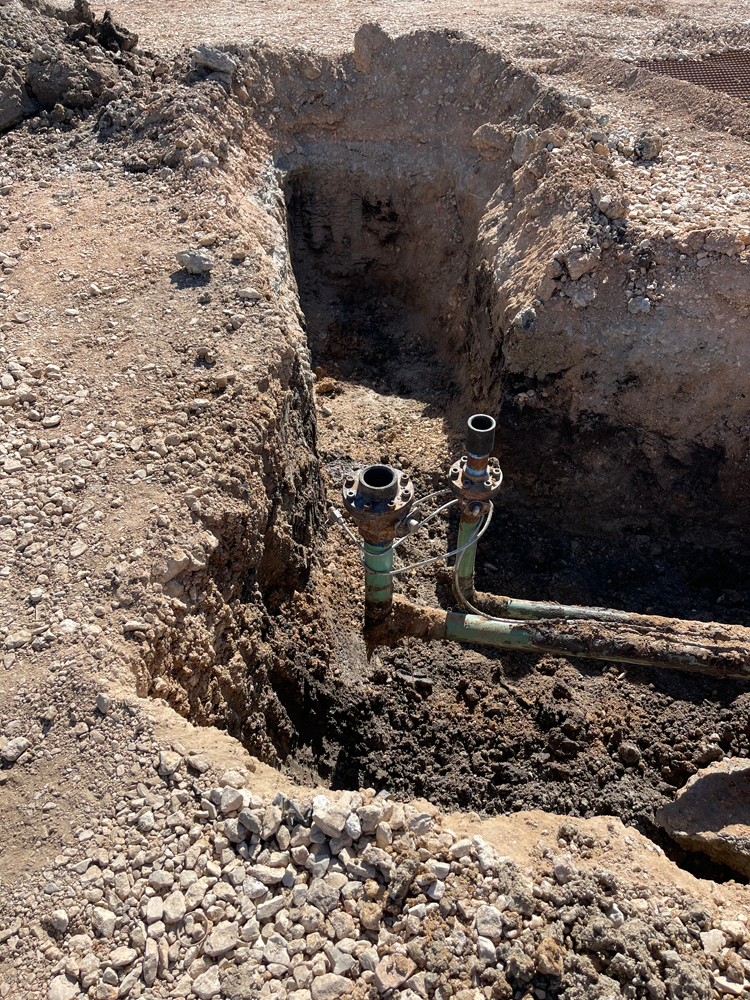
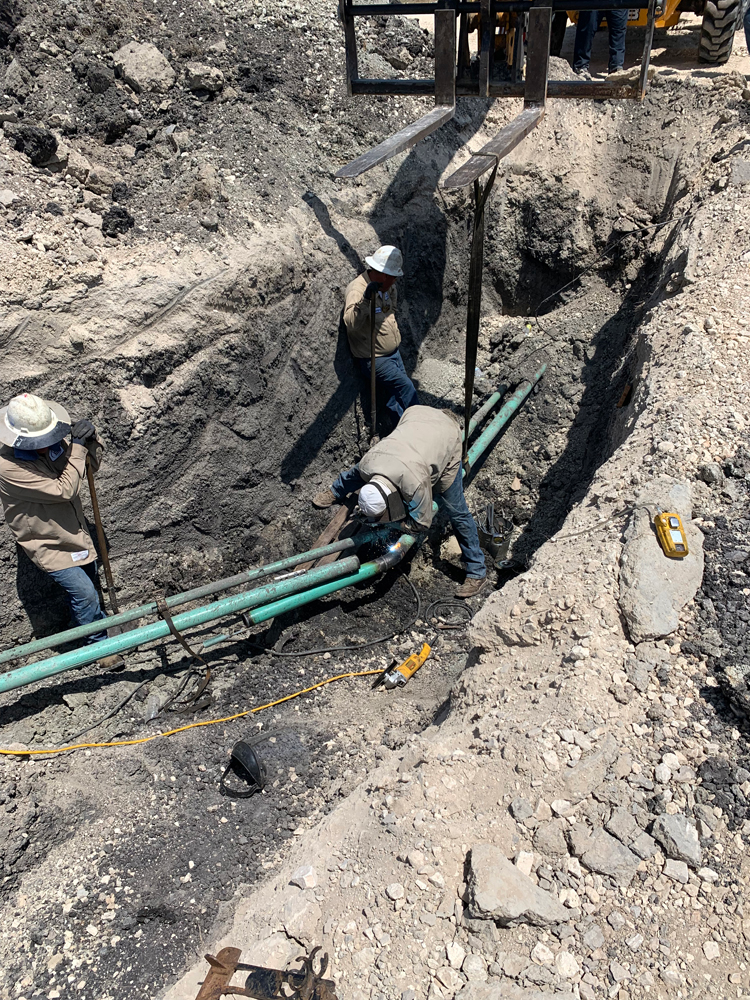
The company works with pipeline owners through every step of the process, mobilizing quickly, excavating safely, and restoring the site to original condition once work is complete. These digs are often time-sensitive and require close coordination with asset integrity teams, landowners, and regulators. They handle both planned and reactive anomaly investigations, working with clients to prioritize dig locations and meet inspection deadlines. Crews follow strict safety and environmental controls while maintaining pressure boundaries and minimizing disruption to active systems.
OPS performs all steps of the anomaly dig process in sequence. Field teams manage:
Crews use GPS data and pipeline as-builts to mark dig points and confirm accuracy with ILI alignment sheets.
If needed, welders apply sleeves, install clamps, or replace damaged segments based on inspection results.
Operators uncover the pipeline using soft excavation methods to prevent coating or mechanical damage.
Technicians assess the suspected anomaly—measuring depth, length, and severity against ILI reports.
The OPS team records inspection data, repair steps, and GPS coordinates for audit and submission to the client
OPS delivers complete traceability on every dig, including repair logs, photographs, and coating records.
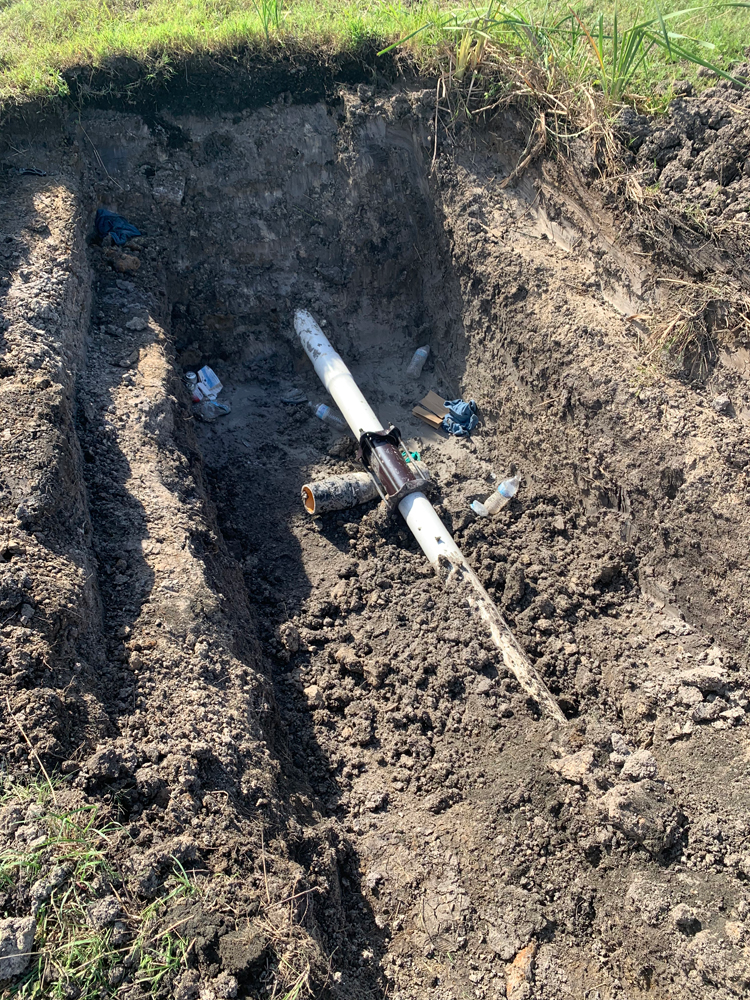
After completing the inspection or repair, OPS restores the site to pre-dig conditions. Crews apply new protective coatings, re-wrap the pipe, and verify coverage before backfilling. Final grading returns the land to safe, stable condition, with erosion control and reseeding as required by permit. Each restoration meets environmental guidelines, landowner agreements, and client inspection criteria—ensuring the dig resolves the anomaly without creating new risk.
Inline valves and tie-in points play a critical role in pipeline operation, giving operators control over flow, isolation, and pressure management. Qualified personnel install block valves, bypasses, and connection points that maintain system integrity and allow for future expansion, maintenance, or redirection. Whether working on new construction or modifying an active line, OPS delivers fast, precise, and code-compliant installations.
Each installation arrives certified and documented, ready to enter service.
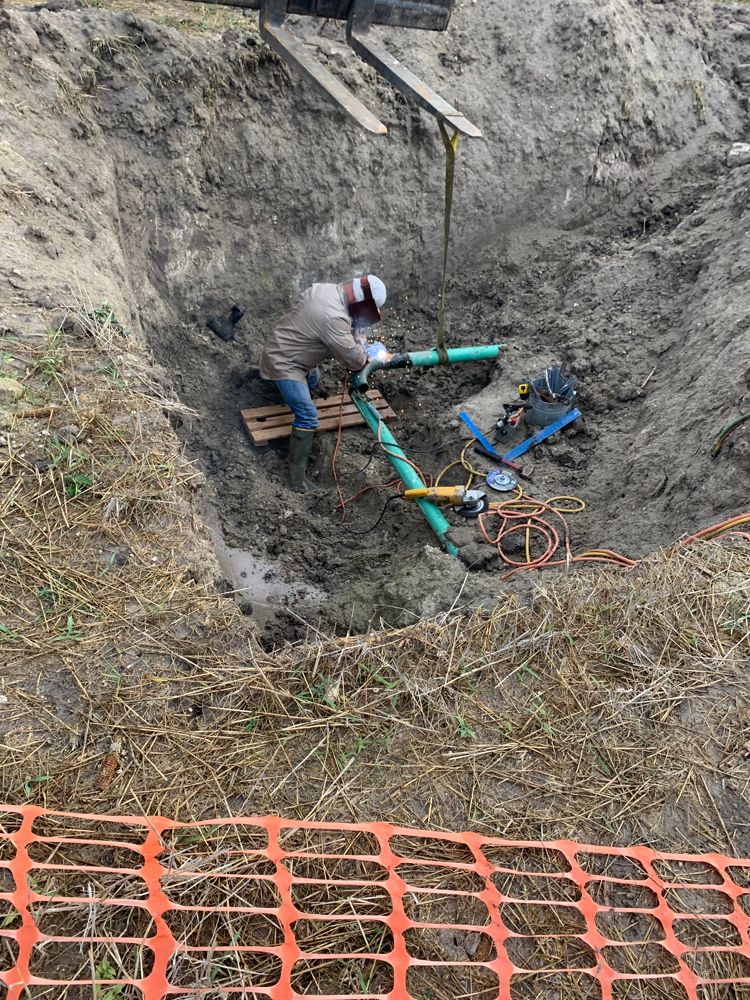
Hydrotesting provides the final proof of pipeline integrity before a system enters service. This process uses water to pressurize the line, confirm containment, and validate structural strength under controlled conditions. The company manages every phase of the test sequence. Crews isolate the segment, fill it with water, and pressurize it according to specifications. After holding for the required time, the system is depressurized, drained, and prepped for drying or chemical treatment.
They follow controlled steps to ensure accurate testing and traceability. Field crews manage:
Crews calculate and apply test pressure based on client and industry specifications.
Technicians install calibrated gauges, pressure recorders, and digital logging tools to monitor testing.
OPS records hold time, temperature shifts, and ambient conditions throughout the test window.
Operators check all welds, valves, and flanges for pressure loss or visual leaks during hold.
The team documents all results, pressure curves, weld mapping, heat codes and equipment IDs for client review and regulatory closeout.
Each test confirms line readiness and code compliance before commissioning. Once hydrotesting is complete, OPS drains the line collecting all test water for proper disposal or reuse. Technicians dry the line using air or nitrogen purging, depending on the medium and required dryness level. Crews remove test hardware, inspect valves and tie-ins, and prepare the system for turnover.
Oak Process Systems delivers full-scope pipeline construction and maintenance services with precision and accountability. Crews execute each project with certified workmanship, strict compliance, and a focus on safety & quality. Whether the need is planned or urgent, Oak Process Systems will respond with proven techniques, experienced personnel and a track record of getting the job done right. Contact us for more information.
 Optimized by Seraphinite Accelerator