Skip to content
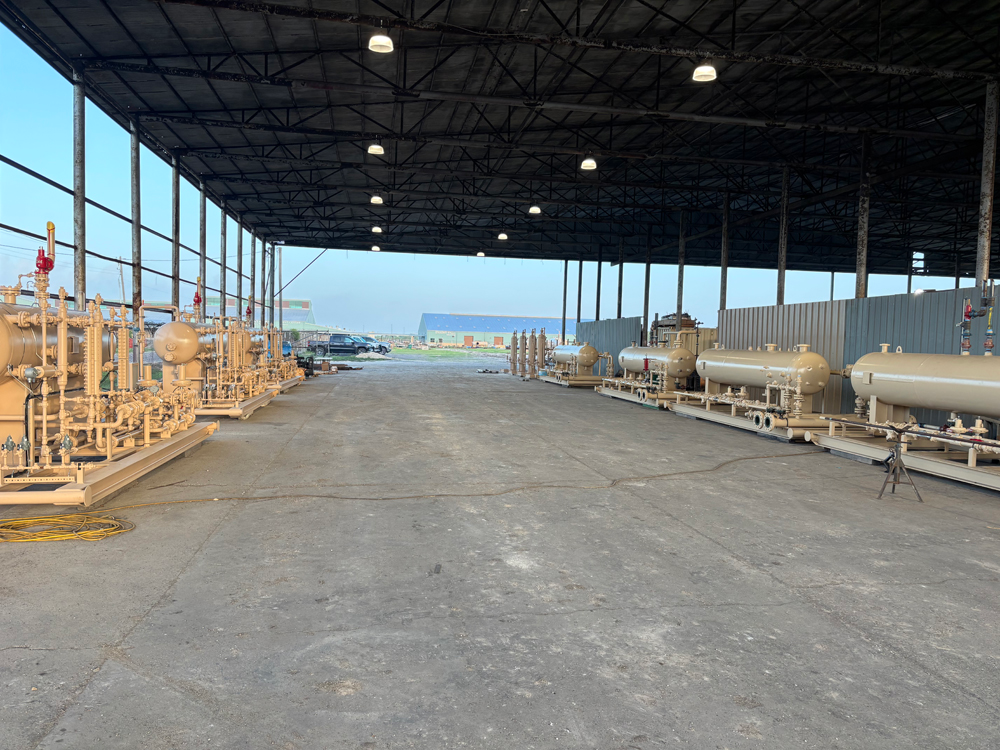
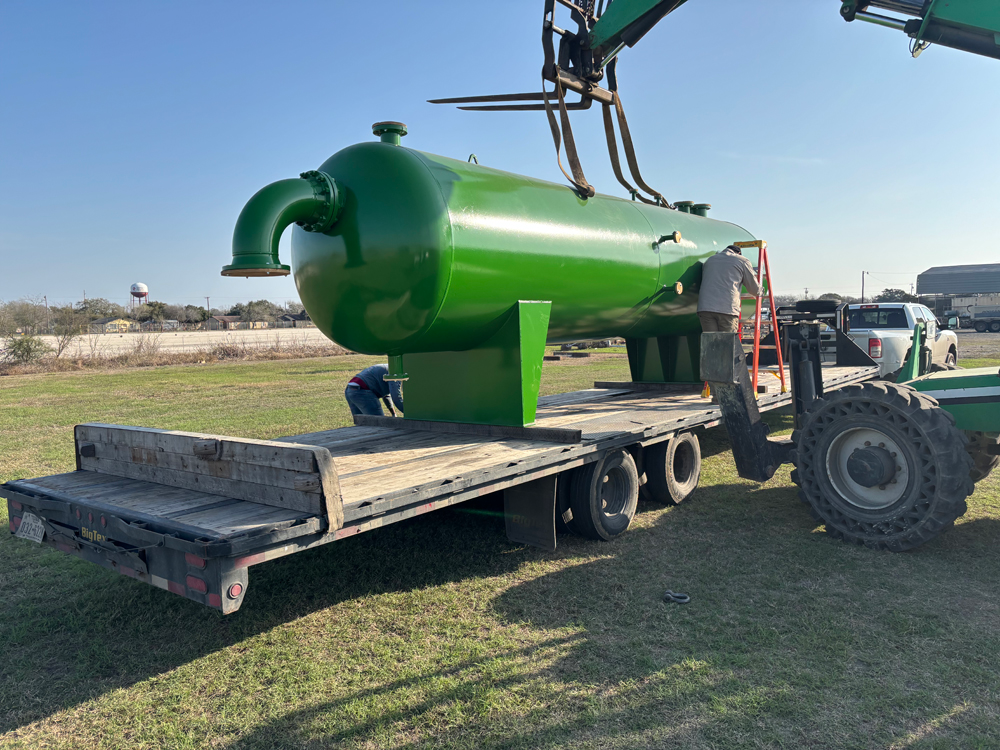
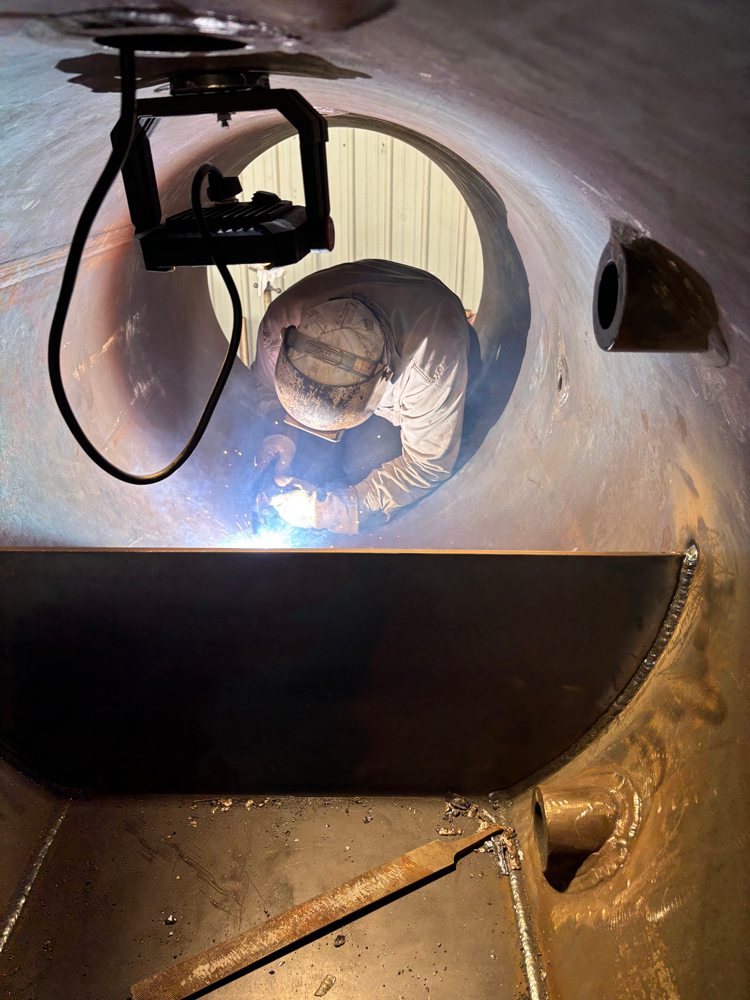
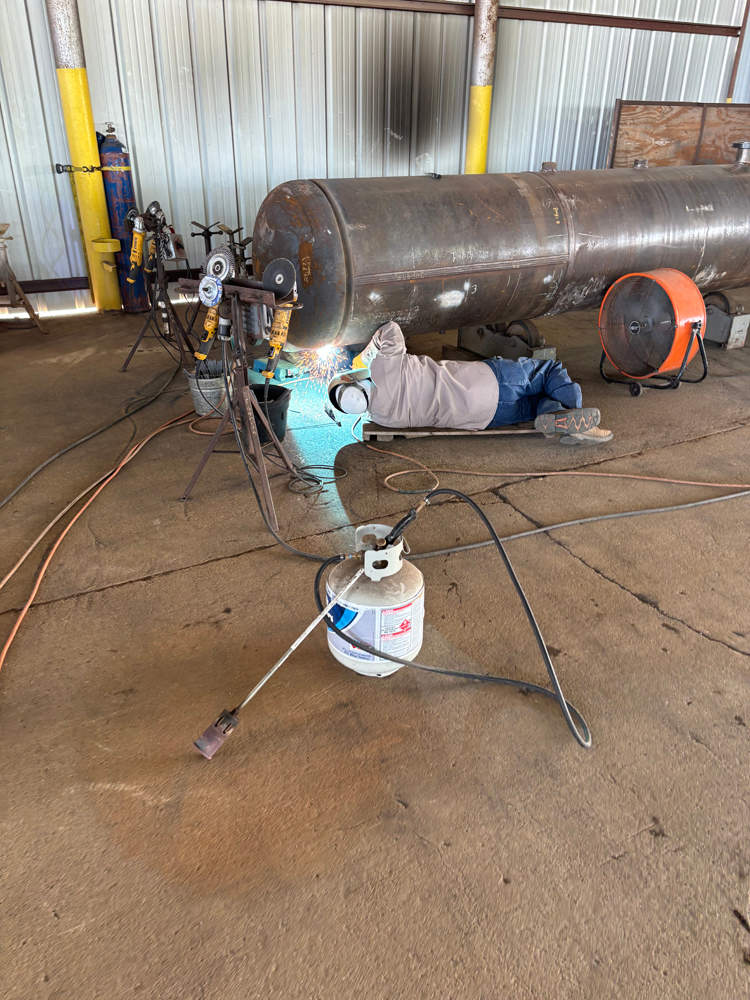
 Oak Process Systems is an ASME-certified fabricator of pressure vessels serving upstream and midstream oil and gas operations. Located in South Texas near Corpus Christi, OPS supports both new builds and repair or alteration work, bringing deep technical knowledge to every project. The pressure vessels are excellent at performing under the extreme demands of energy production and transport. With safety, quality, and dependability at the core, OPS delivers equipment designed to meet both code requirements and field realities.
ASME pressure vessels play a central role in oil and gas processing. These engineered containers hold liquids or gases at pressure levels far beyond atmospheric conditions, making safety key. ASME certification ensures each vessel meets strict standards for material strength, weld integrity, and operational reliability. In the field, these vessels support key functions such as
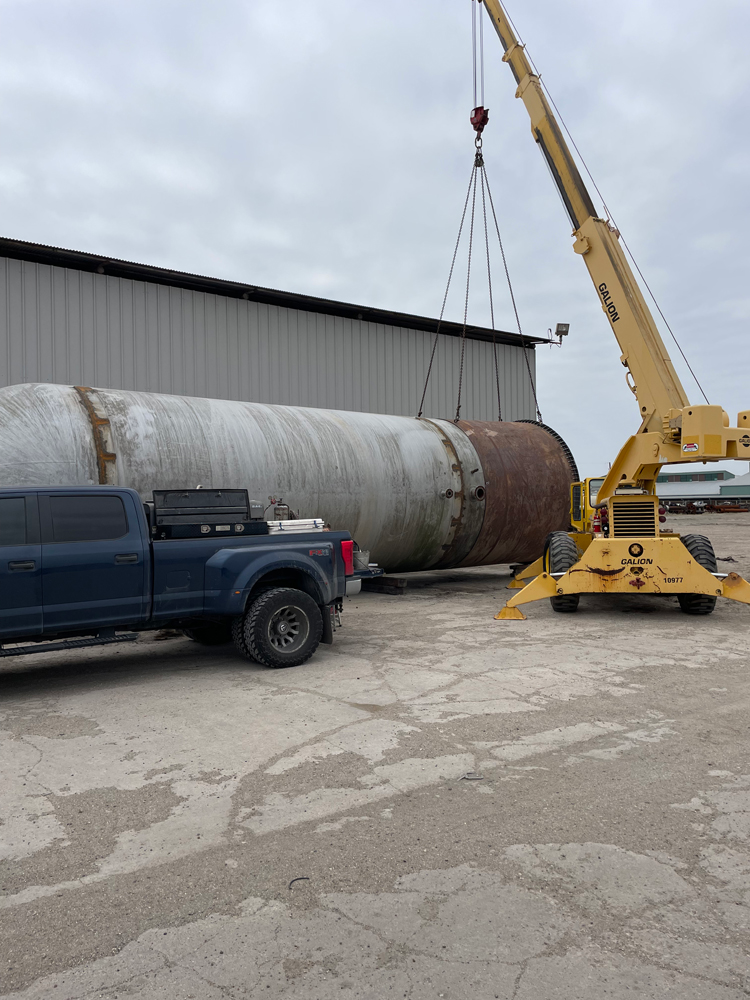
Without them, systems risk failure, inefficiency, or noncompliance with industry regulations.The company’s in-house capabilities include engineering, fabrication, customization, and final packaging for delivery. Every vessel performs in harsh field environments, with durable construction and field-proven configurations.
OPS works closely with clients to size and configure each unit based on fluid type, pressure rating, temperature, and flow requirements. Whether it’s a new build or an alteration project, OPS delivers vessels that meet both code and operational demands.
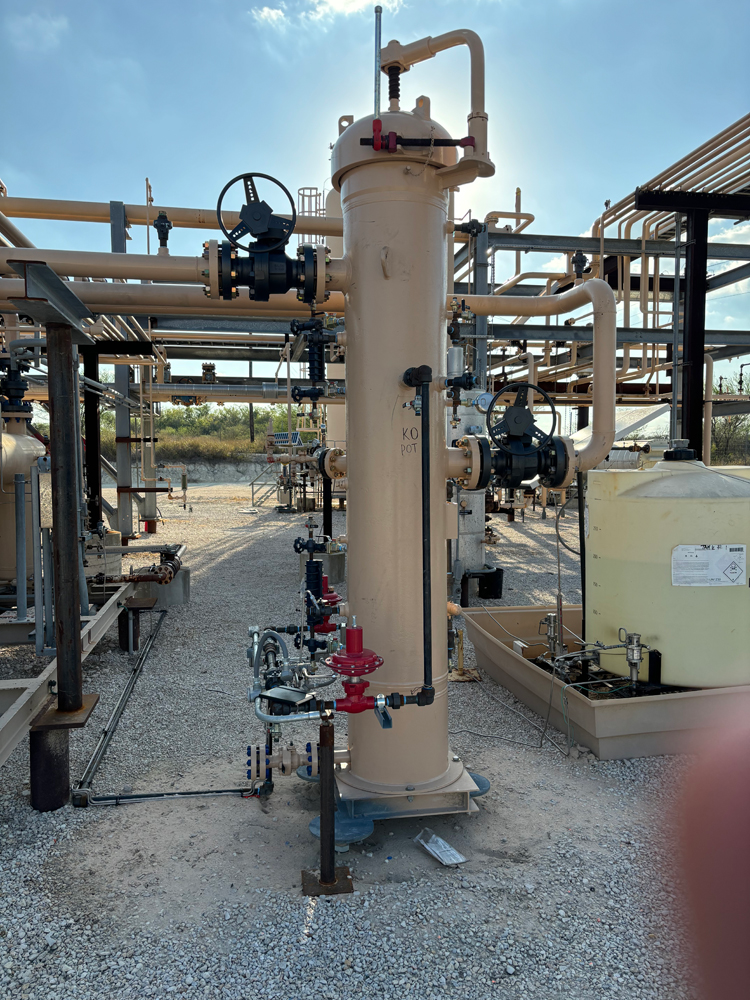
Separators remove gas, oil, and water from a mixed production stream. This is one of the first and most important stages in upstream processing. Oak Process Systems fabricates a range of ASME-certified separators built to handle varying:
Each unit comes designed for efficiency, safety, and long-term durability. Correct separation protects downstream equipment and ensures that every barrel of product meets spec.
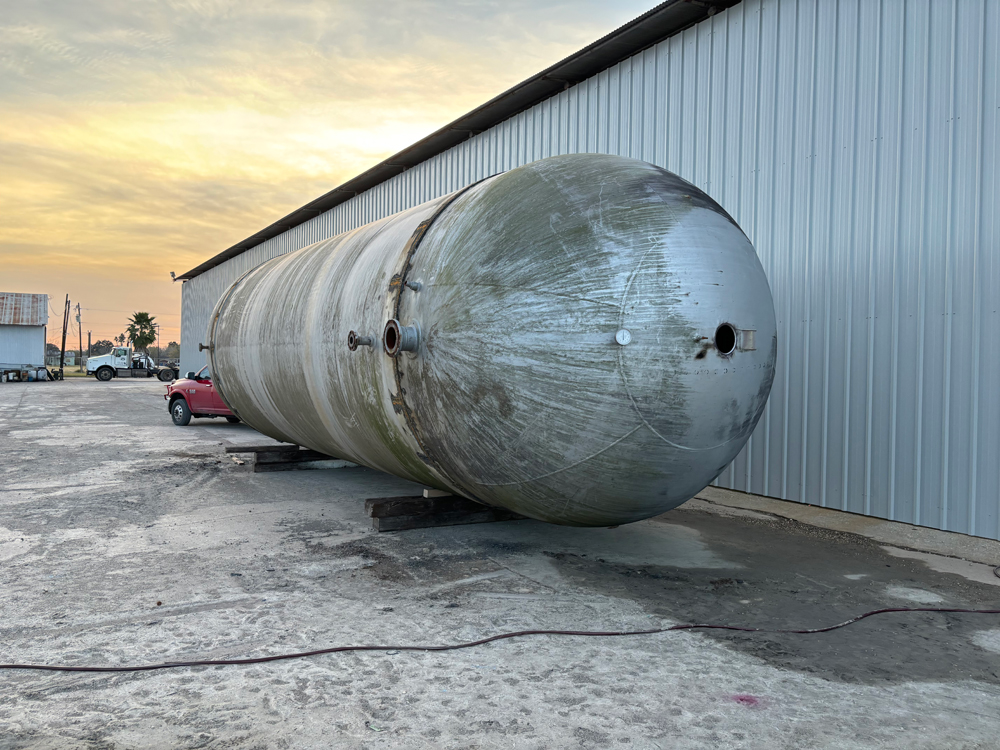
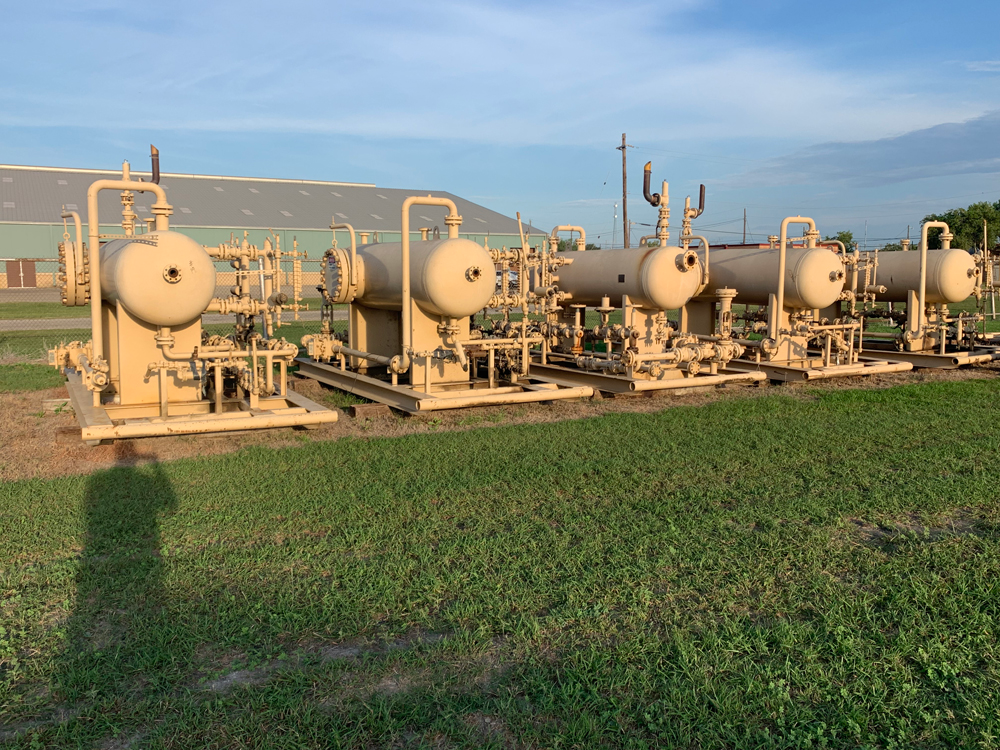
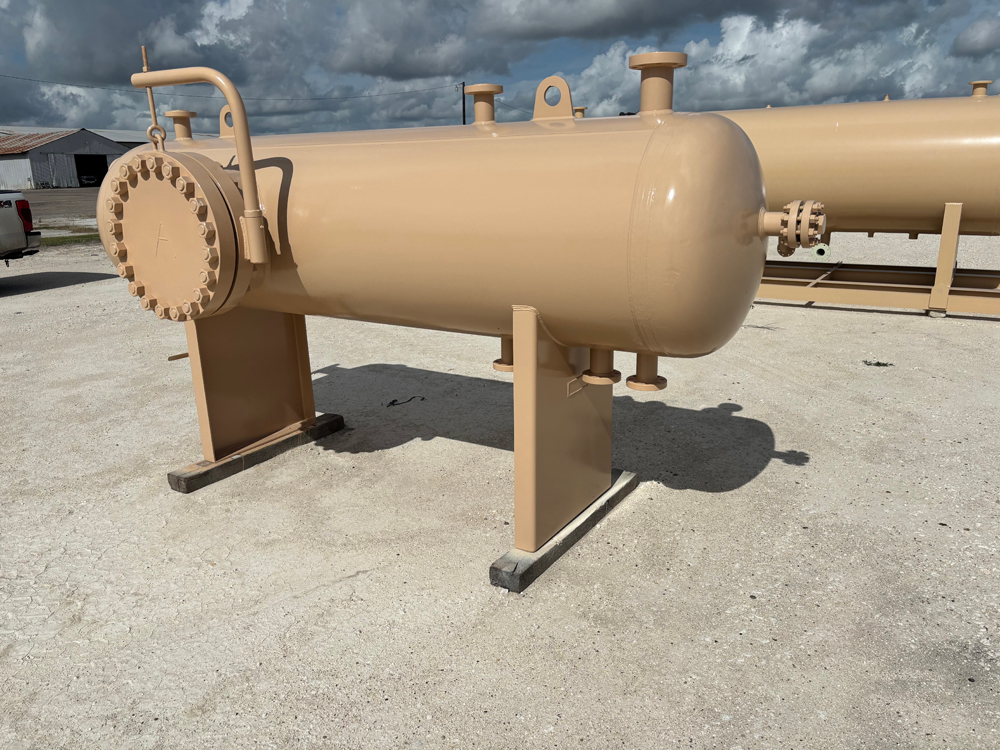
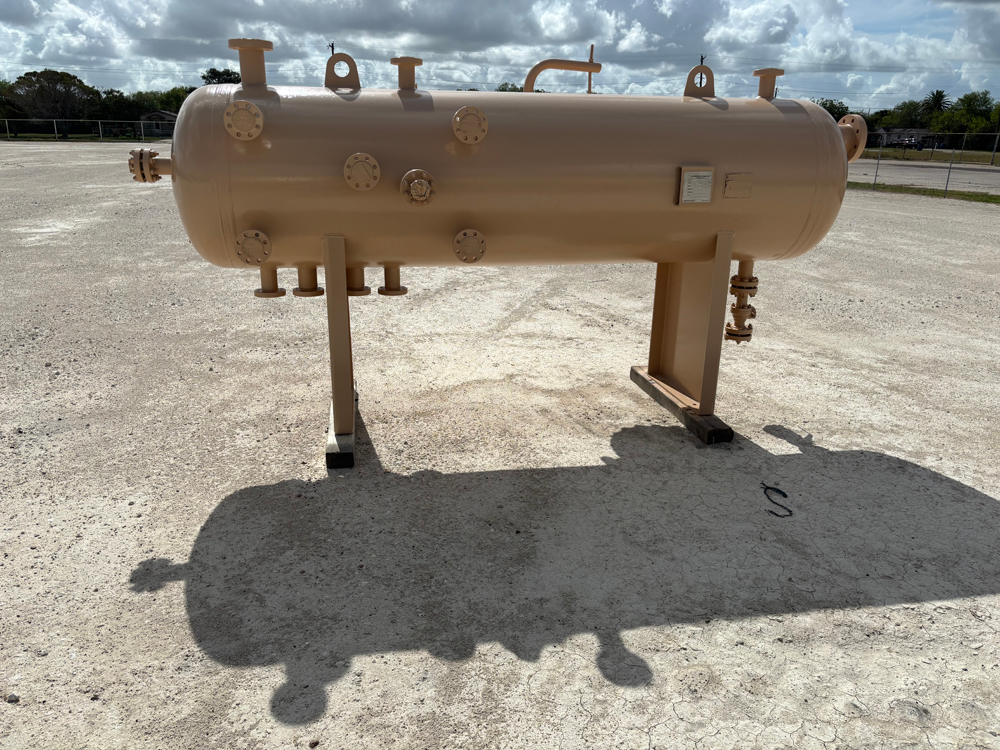
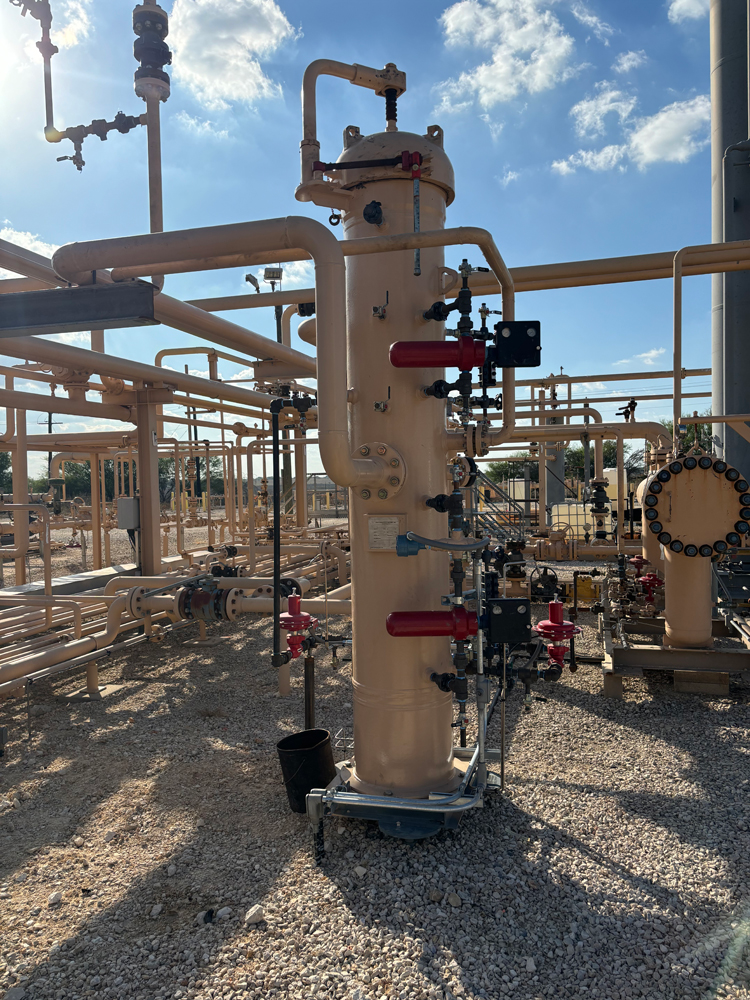
OPS builds both 2-phase and 3-phase separators. A 2-phase unit separates gas from liquids, often used at the wellhead or early in production. A 3-phase unit goes further by dividing oil, water, and gas into separate outlets, helping reduce load on downstream treaters and storage tanks. These vessels are commonly horizontal for higher flow volumes but can be built as vertical units for space-limited installations or when gas volumes dominate.
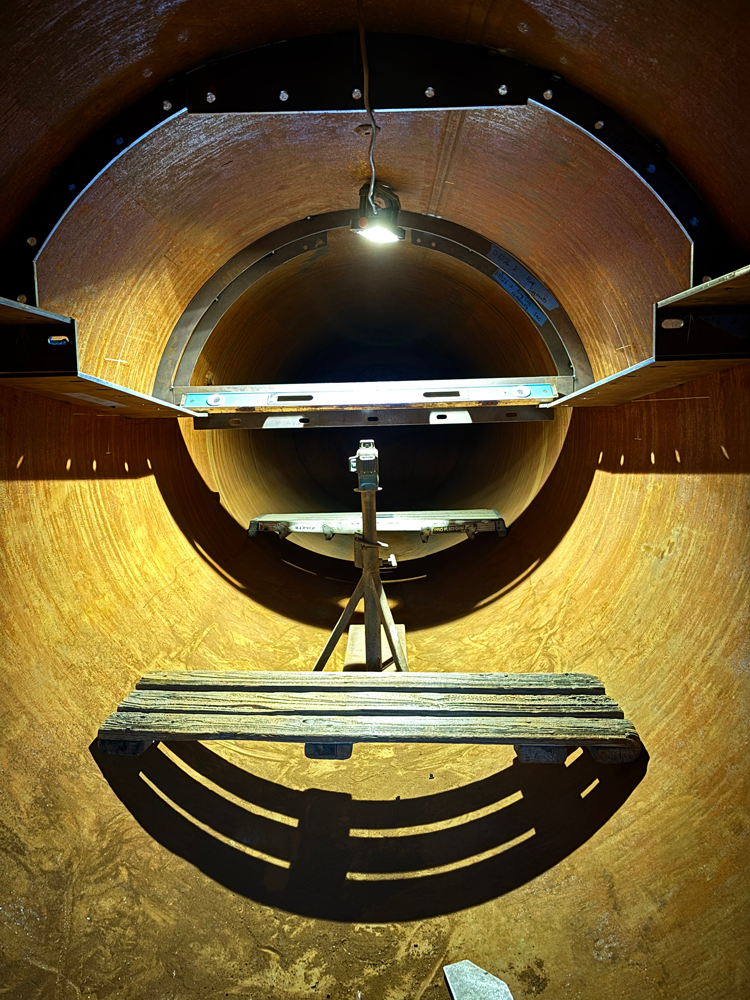
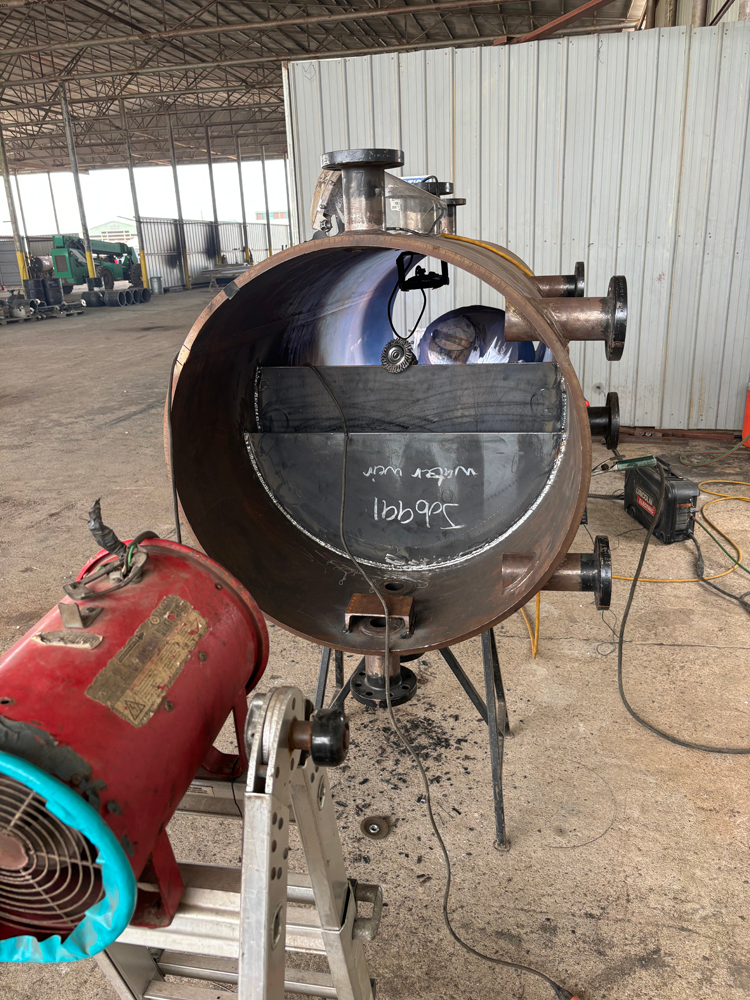
Each vessel includes internal elements selected to stabilize flow and improve retention time. These may include inlet diverters, mist extractors, downcomers, and weirs to encourage stratification. Separation performance depends heavily on design specifics, and OPS configures every vessel according to:
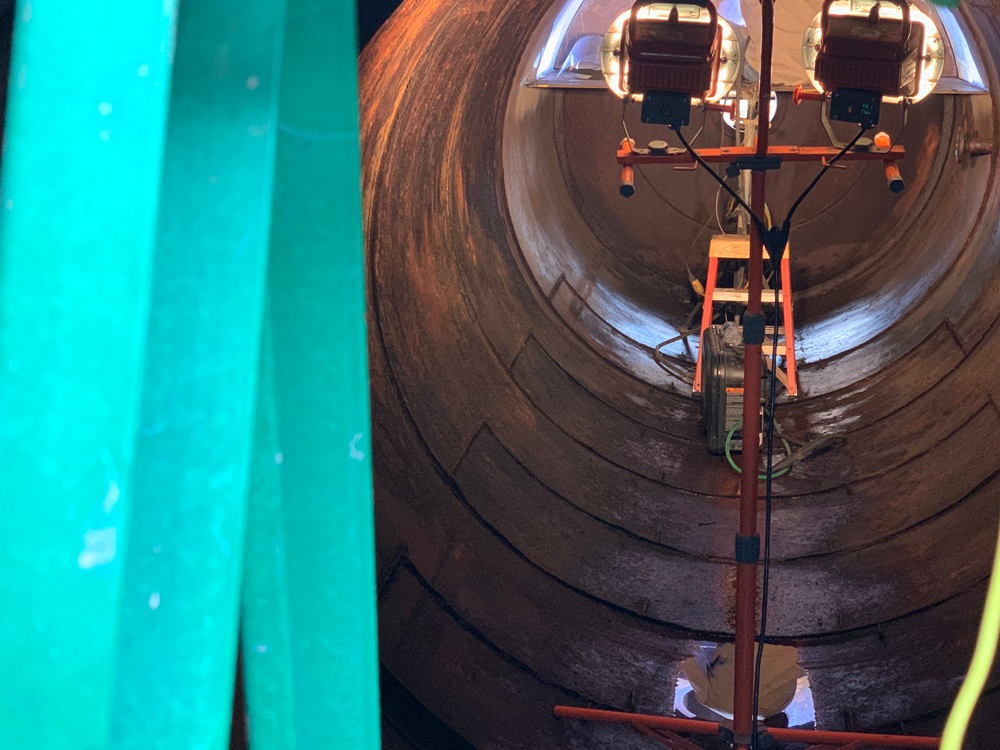
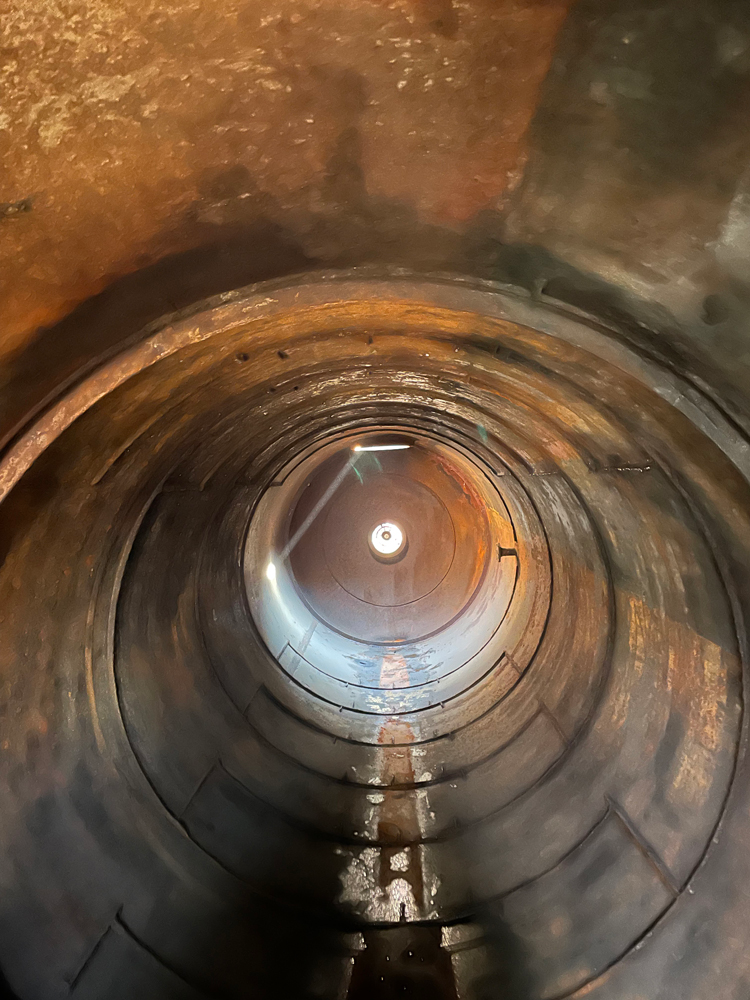
Built-in access points allow for inspection and maintenance, extending service life in the field.
Every separator from Oak Process Systems meets ASME Section VIII, Division 1 standards. Material selection depends on the chemical makeup of the stream and local regulatory requirements. Carbon steel remains standard, but OPS also fabricates using stainless steel or specialty alloys for sour gas service or corrosive production environments. Internal linings, coatings, and cladding options are available when needed to extend durability and maintain throughput under harsh conditions.
There is full customization available based on layout, throughput, pressure, and site conditions. Nozzle orientation gets matched to existing piping layouts. They place instrumentation ports for operator access and sensor integration. Manways and davit arms work to give internal access. OPS also accommodates client specifications for skid type, anchor points, and lifting lugs to simplify field install. Additional options include:
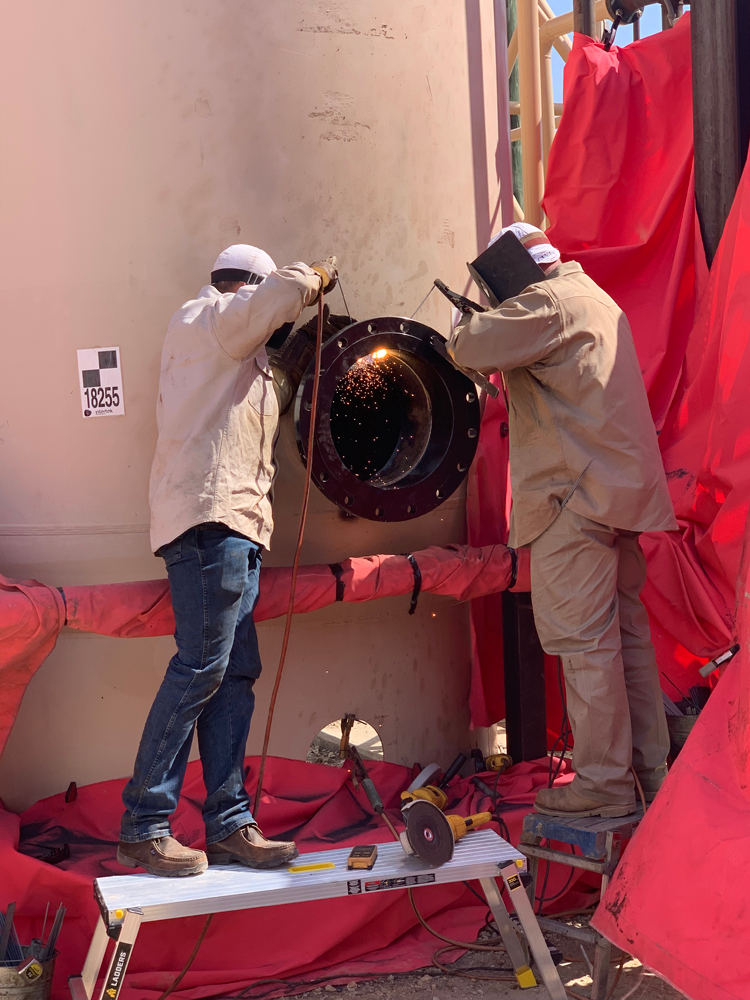
Dehydrators remove water vapor from natural gas and liquid hydrocarbons to prevent pipeline corrosion, hydrate formation, and flow assurance issues. These systems are essential for conditioning gas to meet transmission or storage requirements. In upstream and midstream operations, even small amounts of water can freeze or react with impurities, creating blockages and equipment damage.
The most common solution is the glycol dehydrator, typically using triethylene glycol (TEG). In this closed-loop system, wet gas enters a contactor tower where it meets dry glycol flowing countercurrent. The glycol absorbs water from the gas, then flows to a reboiler system that regenerates it for reuse. OPS builds complete TEG systems including:
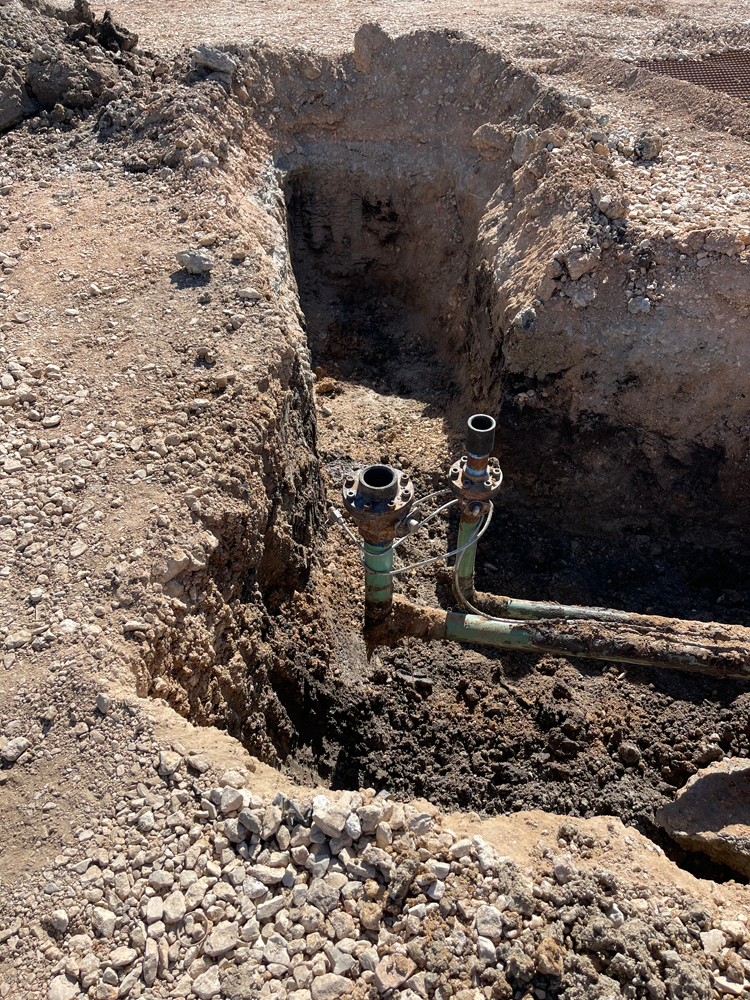
Other dehydration methods, such as solid desiccant beds or membrane units, are available but are less common for high-volume field operations.
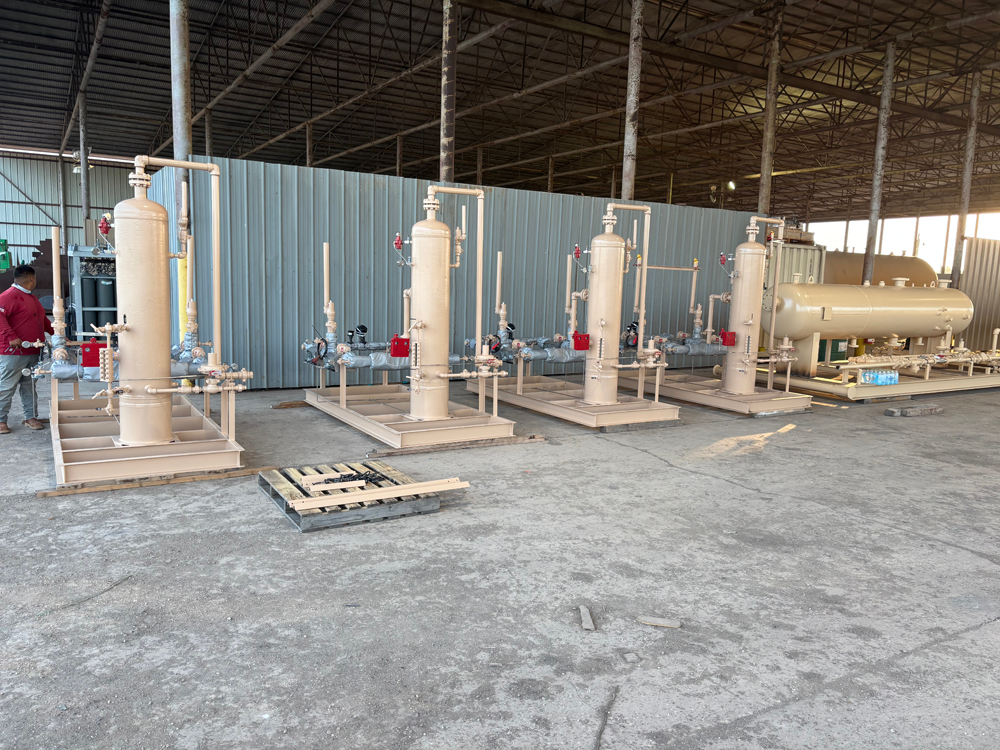
The team fabricates ASME-certified dehydrator units as modular, skid-mounted packages for easy deployment and integration. Each unit gets engineered to match operating pressure, temperature, and gas composition at the site. OPS configures tower size, glycol circulation rate, and regeneration capacity based on flow requirements and target dew points. All vessels in the system, including the contactor and flash tank, meet ASME Section VIII, Division 1 code.
Dehydrators come designed for continuous field service in harsh climates and remote areas. Standard builds support sweet and sour gas applications and come with heavy-duty structural skids for transportation and placement. OPS can integrate instrumentation and controls to allow for remote monitoring or automation including:
Every system gets fully tested before delivery and optimized for long-term reliability in upstream and midstream operations.
Knockout vessels remove liquid droplets and mist from gas streams before the gas enters compressors, pipelines, or flare systems. These units protect downstream equipment, reduce emissions, and improve safety across upstream and midstream operations.
Oak Process Systems fabricates both horizontal and vertical knockout drums, and vessel type depends on flow volume, liquid load, and available space. Vertical vessels work well for low-flow or intermittent applications, while horizontal vessels handle high gas volumes with better drainage.
Inside each vessel, design elements control gas velocity and allow liquids to settle out. Baffles, demisters, and mist extractors improve efficiency without restricting flow. OPS sizes each vessel to meet specific residence time and drainage rate targets, ensuring consistent performance in field conditions.
Knockout vessels are used throughout the oil and gas stream. Typical applications include:
Knockout drums remove liquids from gas before it reaches the flare stack, preventing flame instability or flare tip damage.
These vessels prevent slugs of liquid from entering compressors, where they could cause mechanical failure or overpressure events.
Clean, dry gas improves combustion and efficiency in turbines, heaters, or engines used onsite for power generation.
Knockouts catch residual liquids that may surge downstream from production separators during dumping cycles.
Removing free liquids before a glycol unit helps preserve absorption performance and extends system life.
Each unit matches client specs for pressure, flow rate, and gas composition. Oak Process Systems also offers nozzle placement options, access ports, and internal coatings for corrosive or sour service.
Filter separators remove fine particles and liquid mist from natural gas streams to protect downstream equipment and ensure product quality. These vessels operate in systems where gas purity directly affects performance, such as metering stations, dehydration units, compression systems, and fuel gas lines. Without proper filtration, solids and liquids can cause fouling, erosion, or shutdowns. Each filter separator built by Oak Process Systems follows a two-stage process.
This process delivers clean, dry gas ready for further use or transport. The team designs internal supports, pressure-retaining components, and filter systems to match specific operating conditions. Engineers work directly with clients to determine flow rates, inlet contamination levels, and pressure drop tolerances. OPS then builds each vessel to meet those field-specific demands with precision and speed.
Oak Process Systems includes essential filtration components in every build. Common features include:
OPS installs filter cartridges for high-efficiency particulate removal or vane packs for mist elimination in high-flow systems.
Final-stage mist extractors polish the gas stream before it exits the vessel, ensuring minimal carryover and improved system reliability.
Operators can monitor filter element performance in real time using dedicated ports that measure pressure drop across stages.
Each vessel includes a drain system to evacuate collected liquids and prevent accumulation that could affect separation efficiency.
OPS incorporates manways, filter access covers, and lifting lugs to simplify inspection and element replacement in the field.
OPS delivers each filter separator ready for service, built for continuous duty, and tailored to the client’s process specs.
Heater treaters use heat and gravity to break oil, water, and gas emulsions at the wellhead or early production stage. These units raise the temperature of the fluid stream, reduce viscosity, and allow dense water and light gas to separate from oil more effectively. Proper treatment ensures oil meets sales spec and prevents water from entering storage or pipeline systems.
Oak Process Systems builds vertical, horizontal, and indirect-fired heater treaters. Horizontal designs provide greater retention time for high-flow systems, while vertical units work well when space is limited or for lower production rates. Indirect-fired options separate the firetube from the fluid section, reducing the risk of overheating or localized scaling in the vessel.
OPS fabricates both the firetube and the separation chamber as pressure-rated vessels, using materials suited for the client’s production chemistry and field environment. Each unit includes temperature control systems to maintain optimal separation efficiency. The team also installs safety valves, flame arrestors, and insulation to protect equipment and personnel, especially in remote or extreme conditions.
The available heater treaters are ready for the realities of oilfield work. Each one includes:
Heavy-duty skids, lifting lugs, and weatherproof coatings keep the system stable and secure in remote or off-grid sites.
Manways, thermowells, level gauges, and burner controls give operators full visibility and management of the heating process.
Pre-mounted burners and plug-and-play electrical hookups simplify field installation and reduce setup time.
Each heater treater arrives ready to handle the demands of continuous production, delivering clean, conditioned oil that meets downstream expectations.
Pressure vessels in oil and gas service face harsh conditions. Over time, exposure to corrosive fluids, extreme temperatures, and heavy-duty use can lead to thinning, cracking, or mechanical failure. When that happens, operators need certified repairs that restore safety and performance without replacing the entire unit.
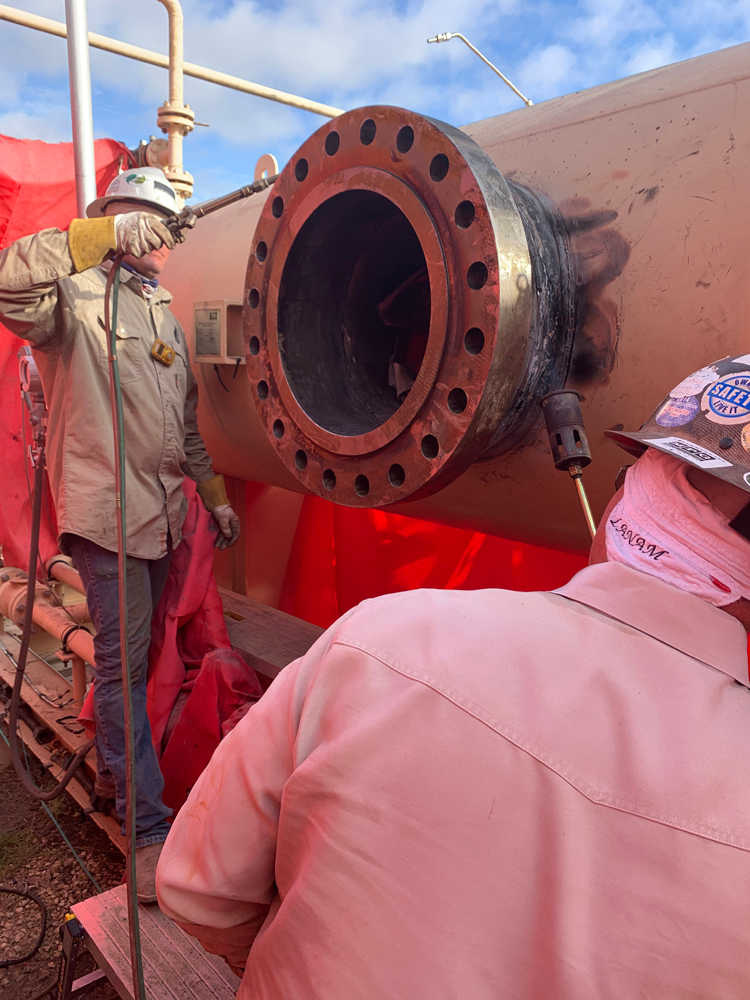
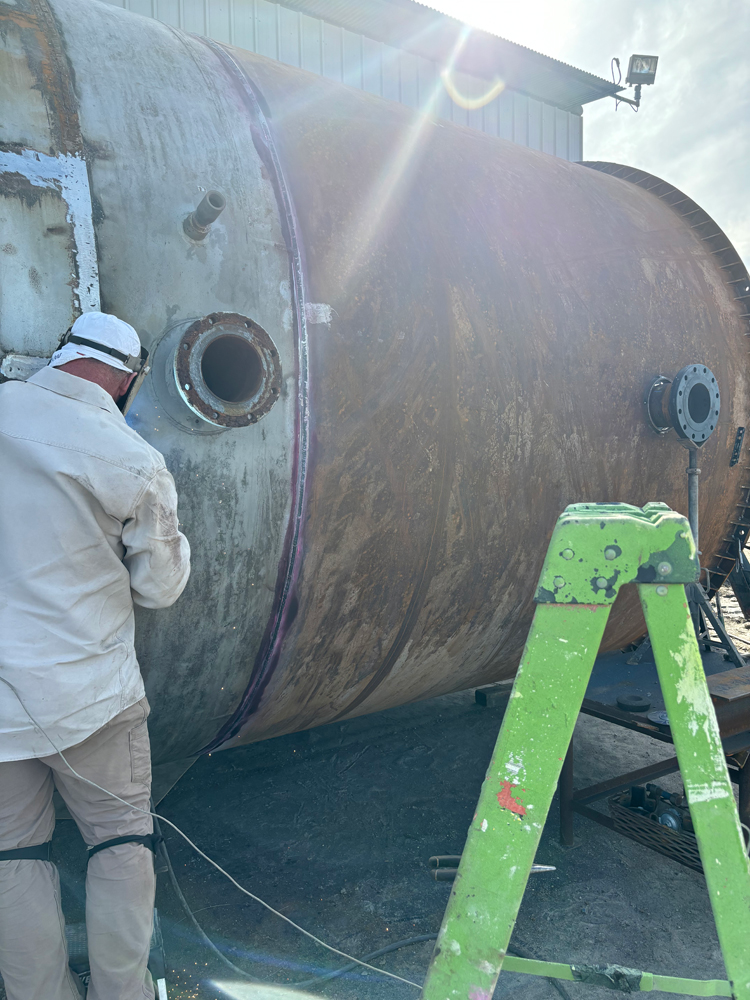
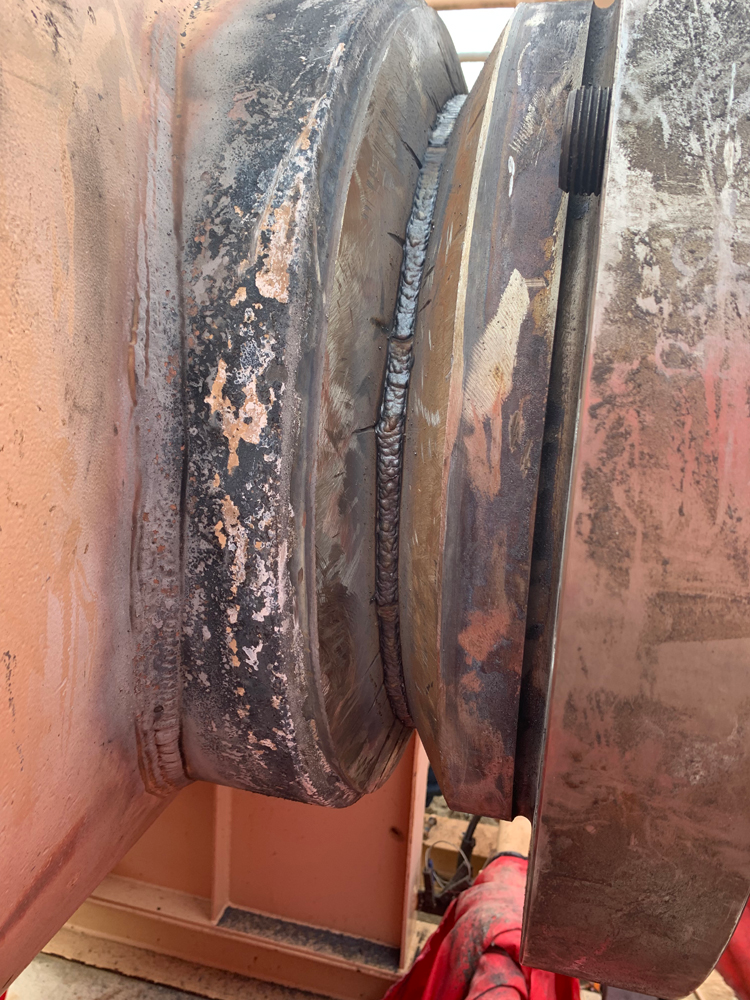
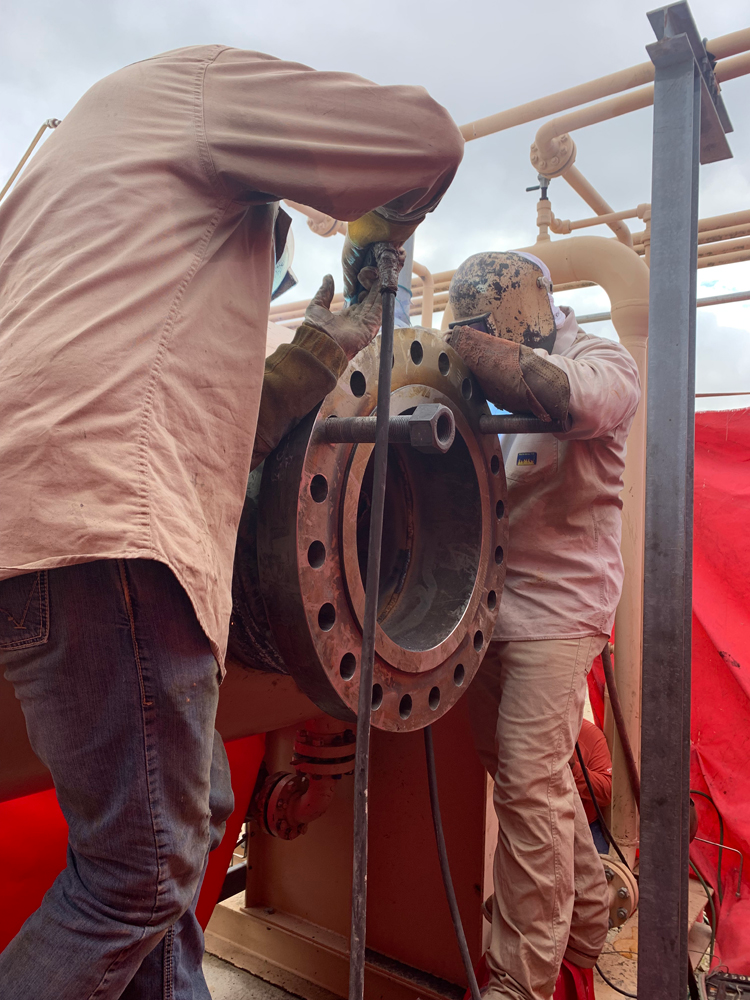
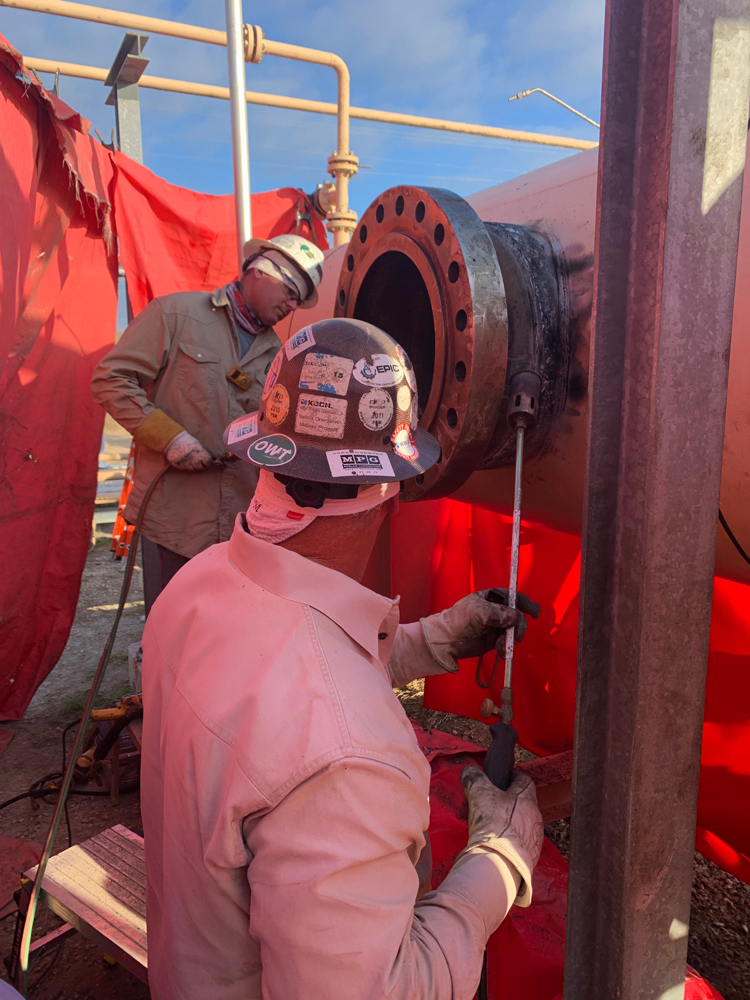
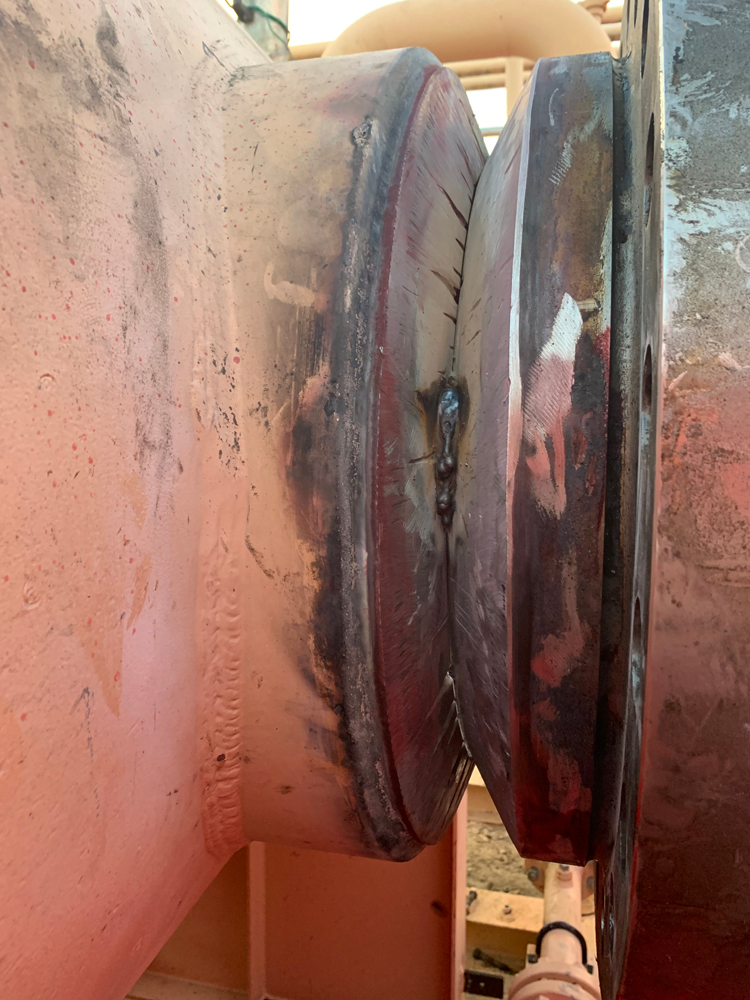
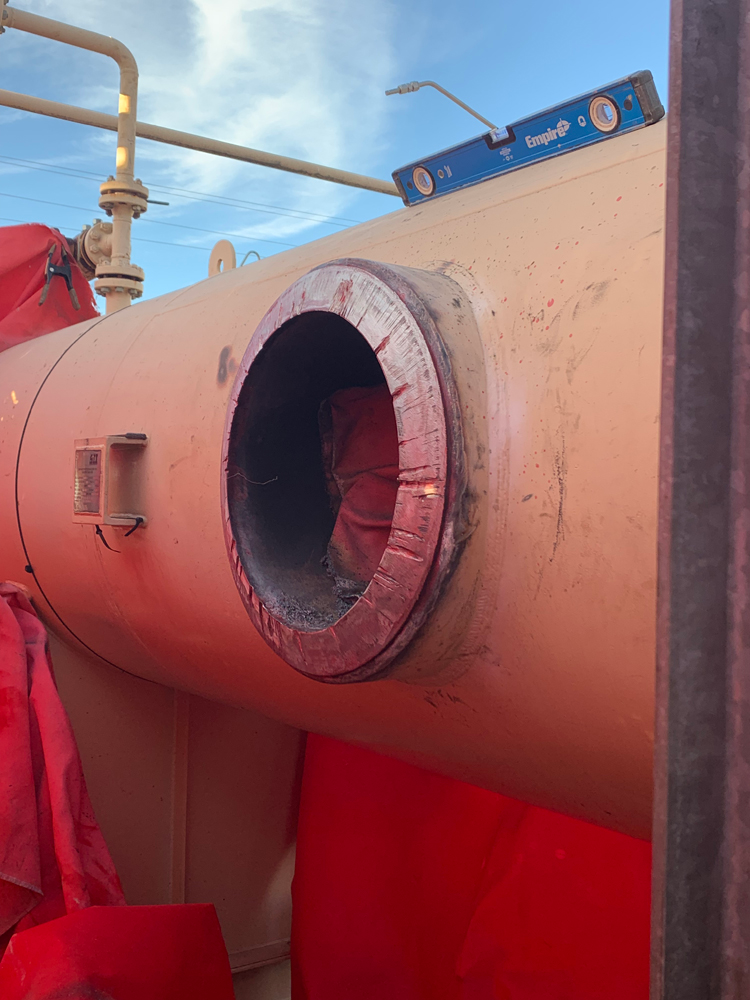
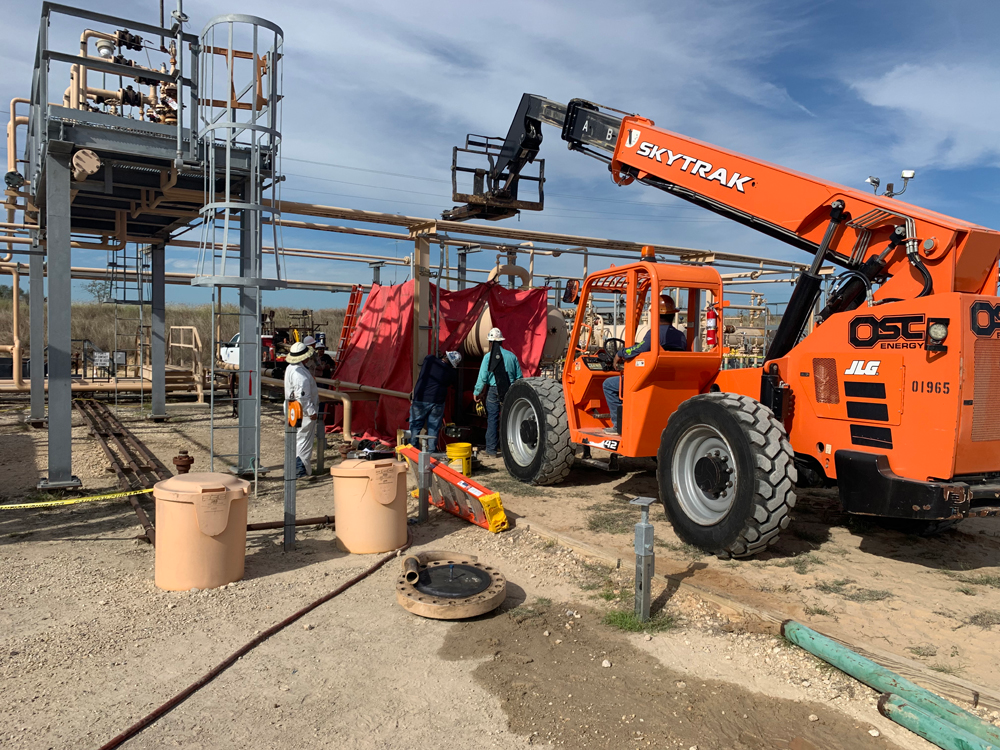
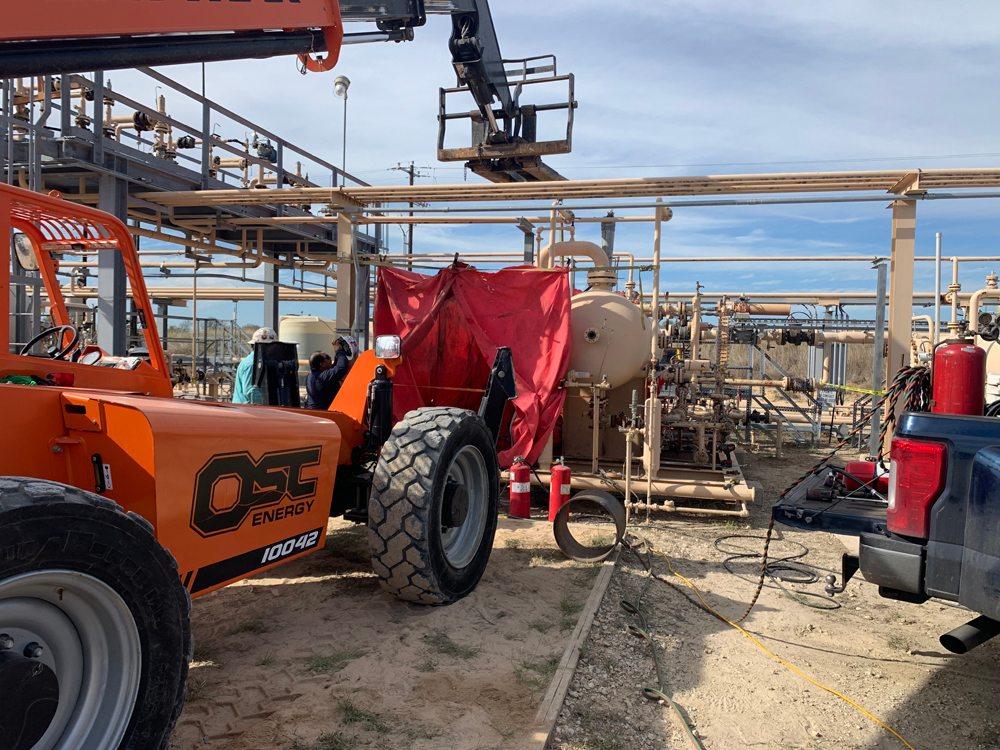
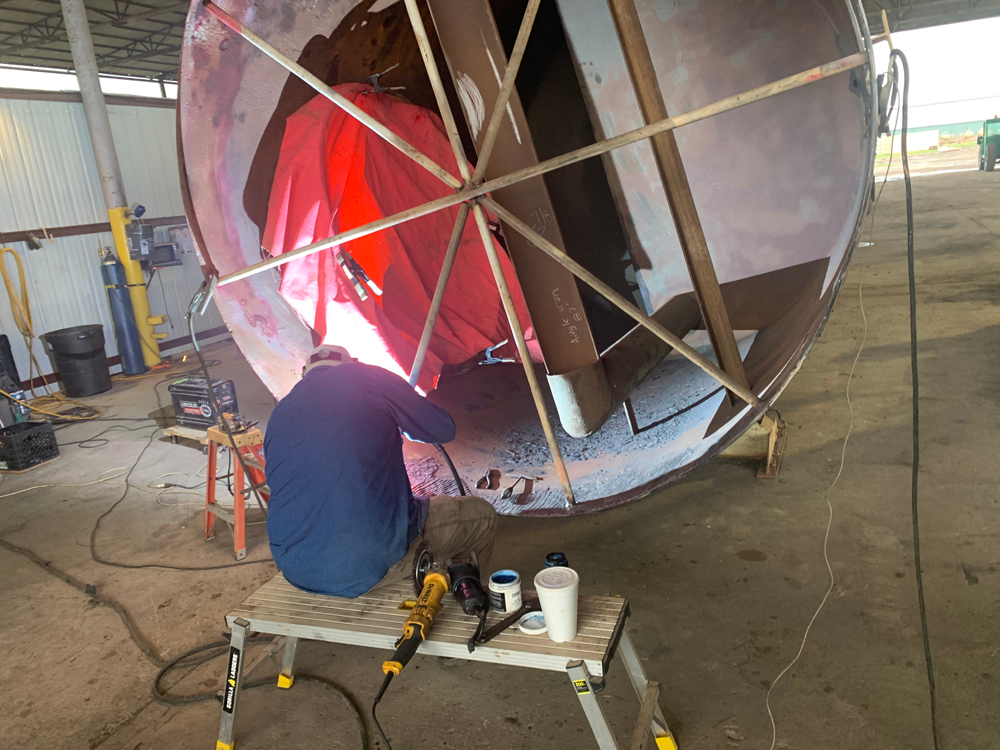
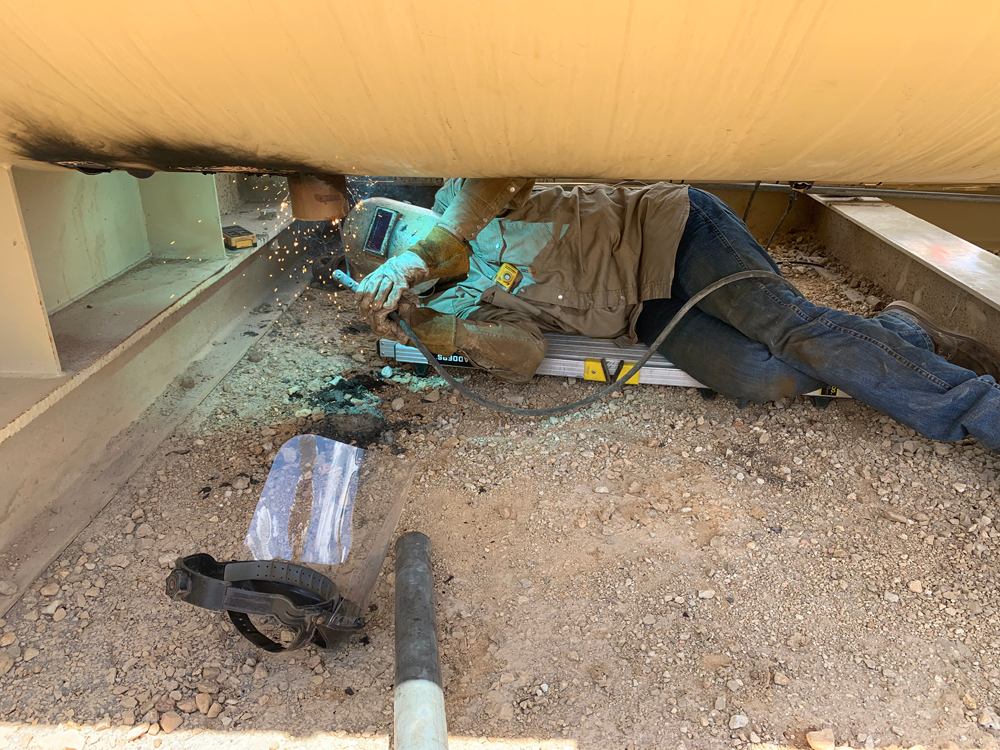
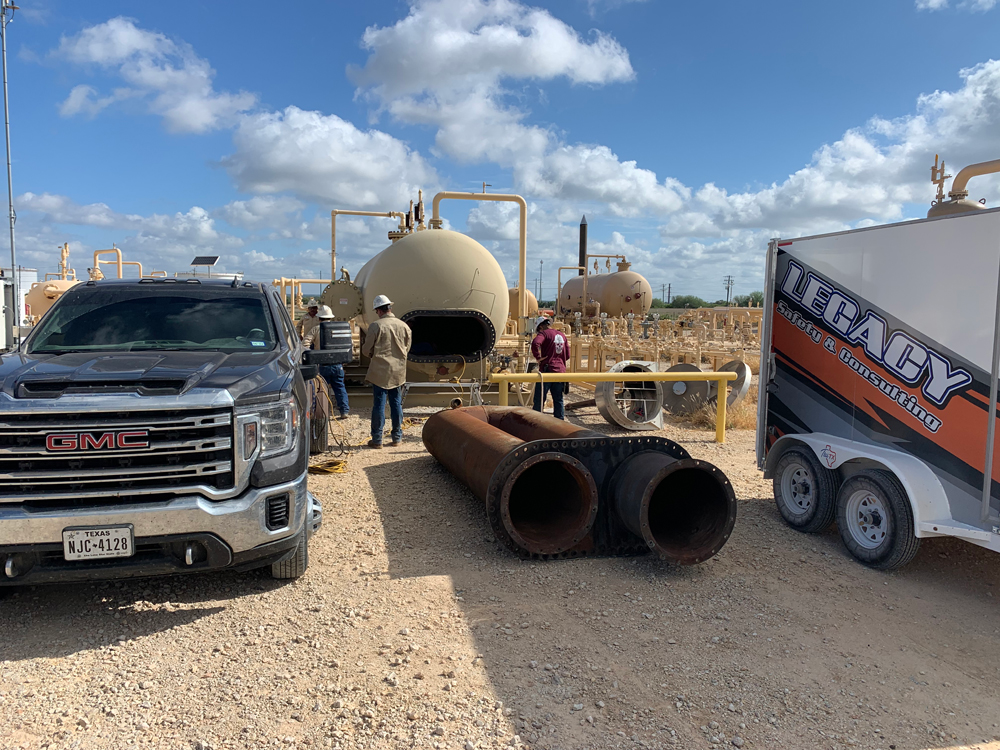
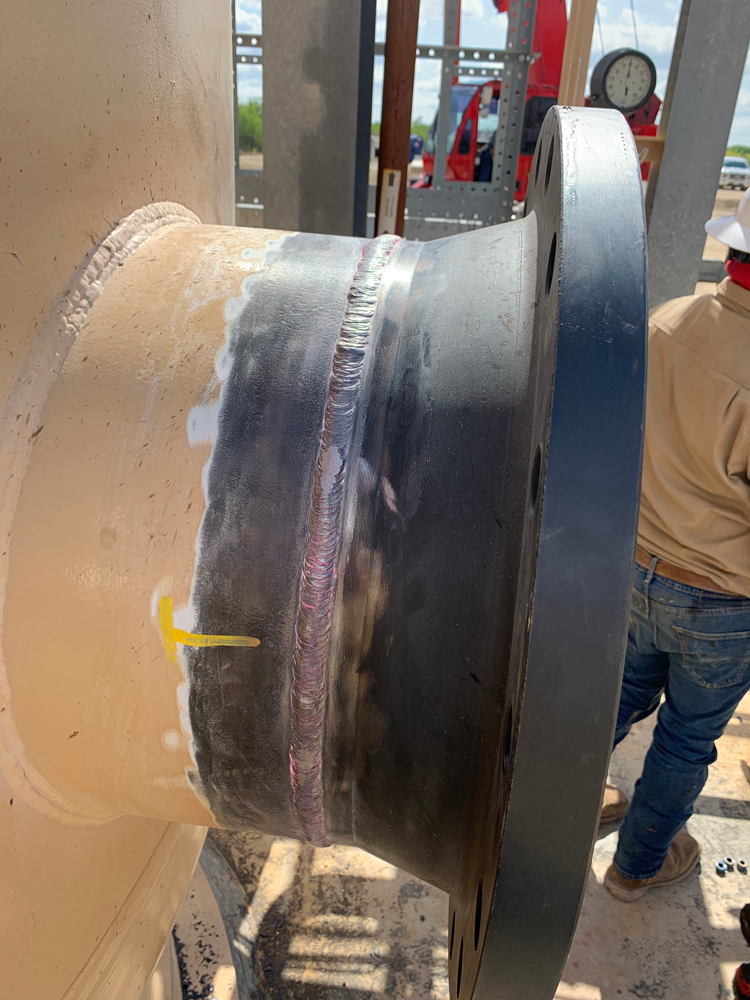
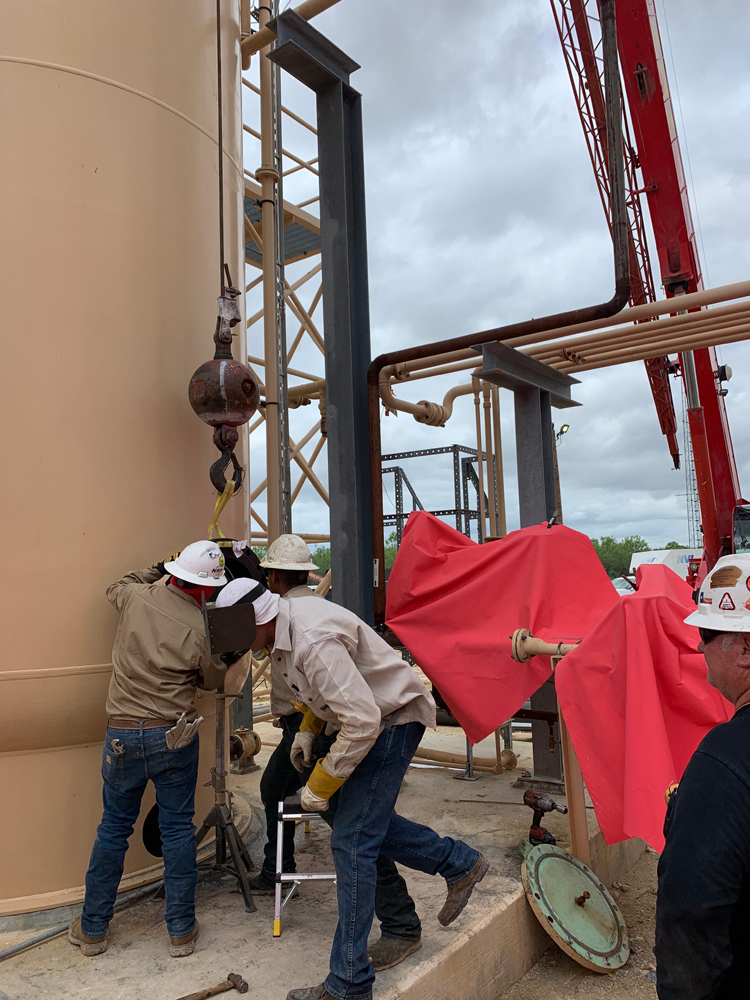
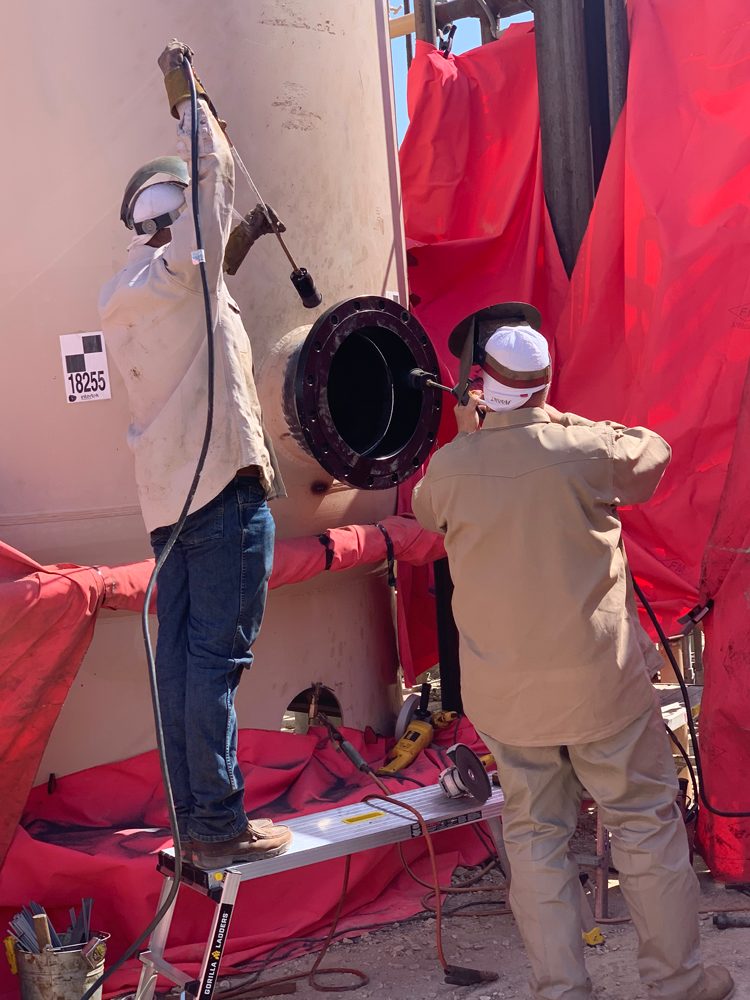
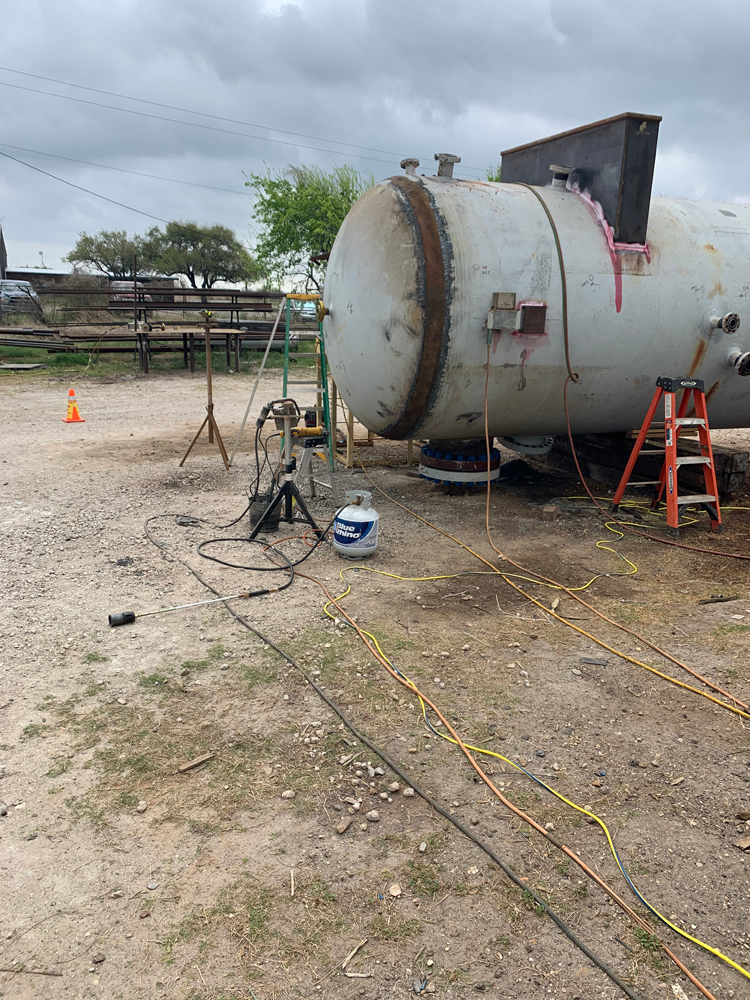
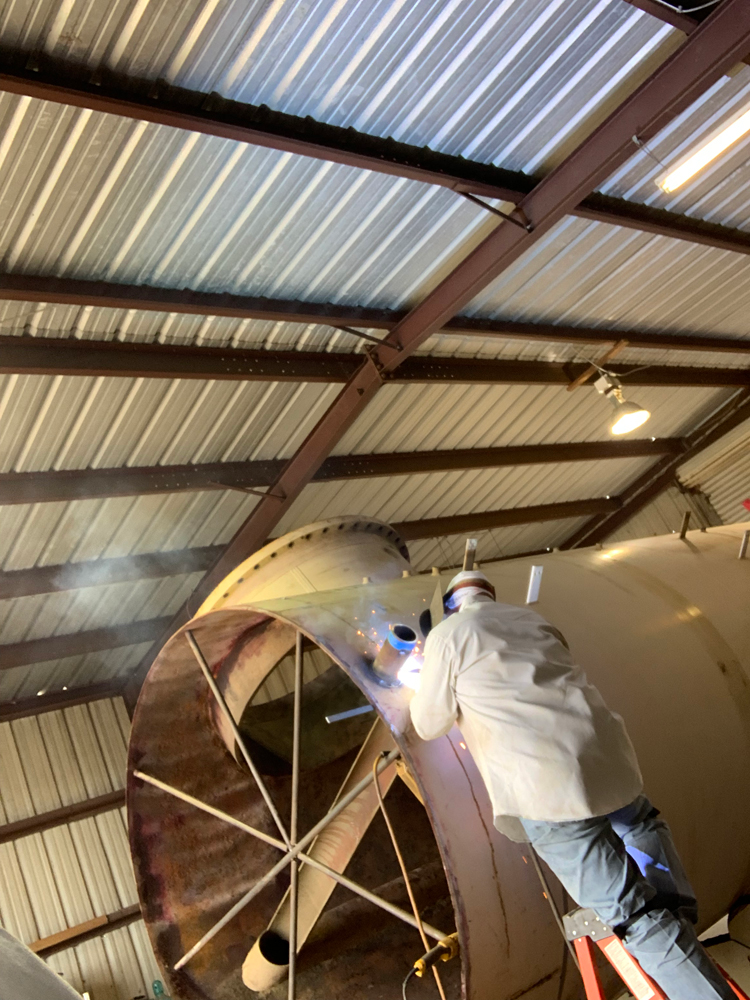
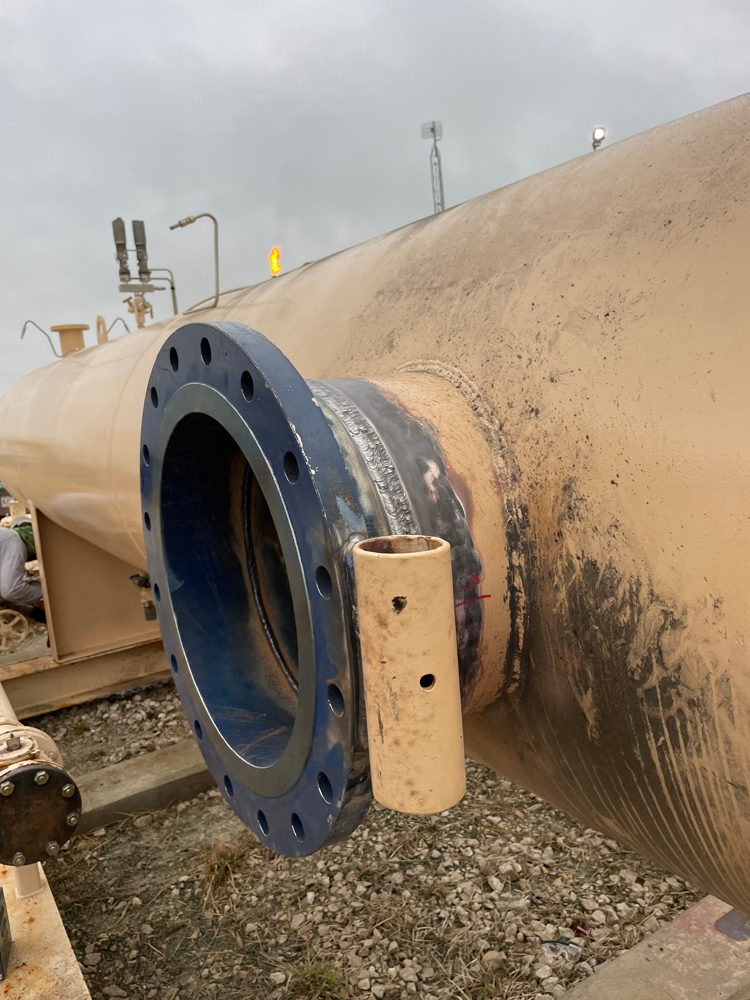
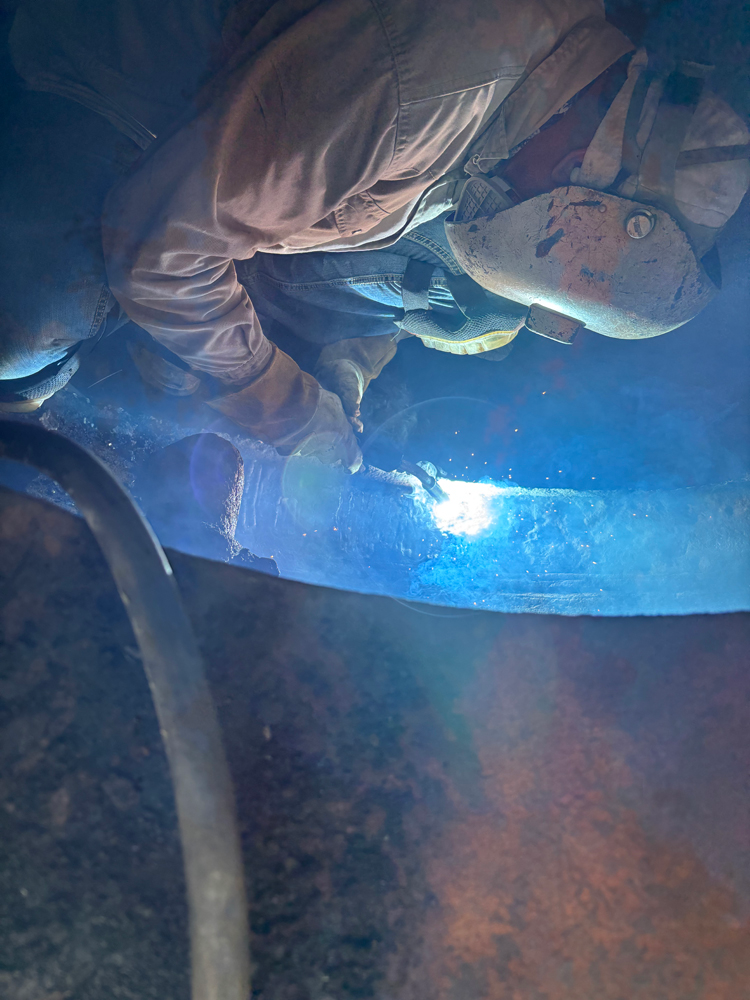
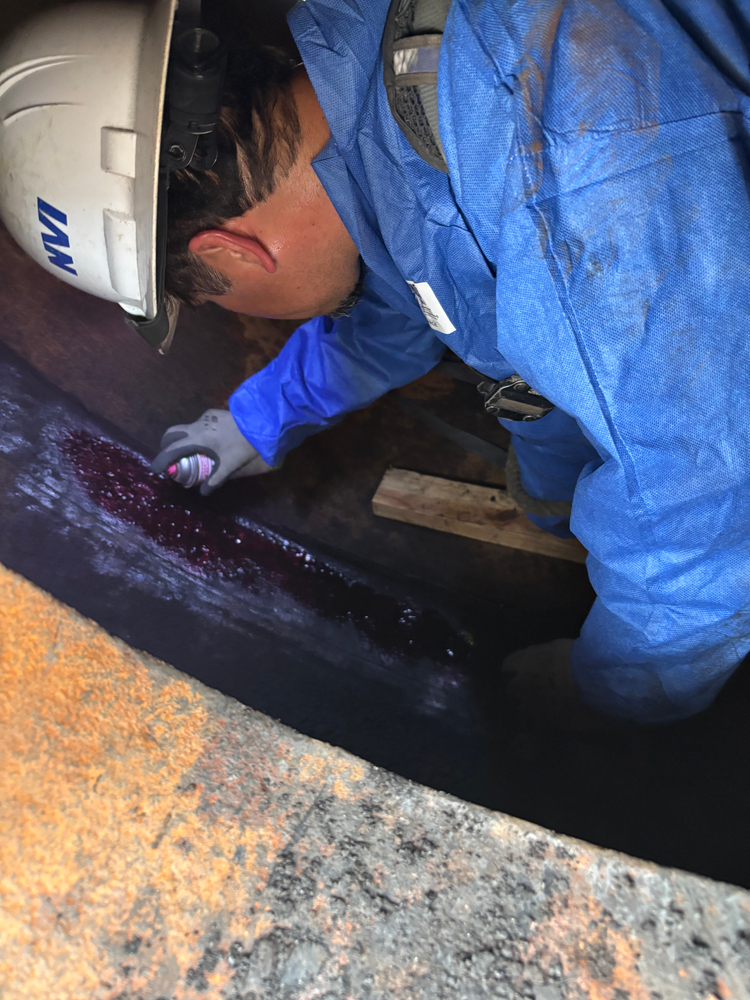
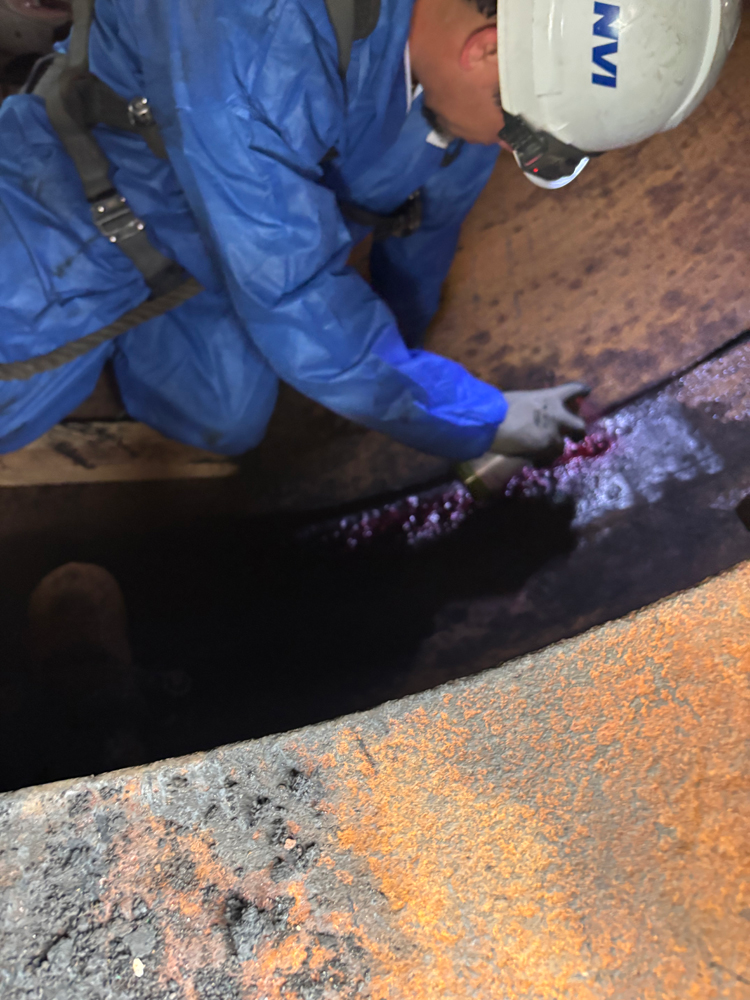
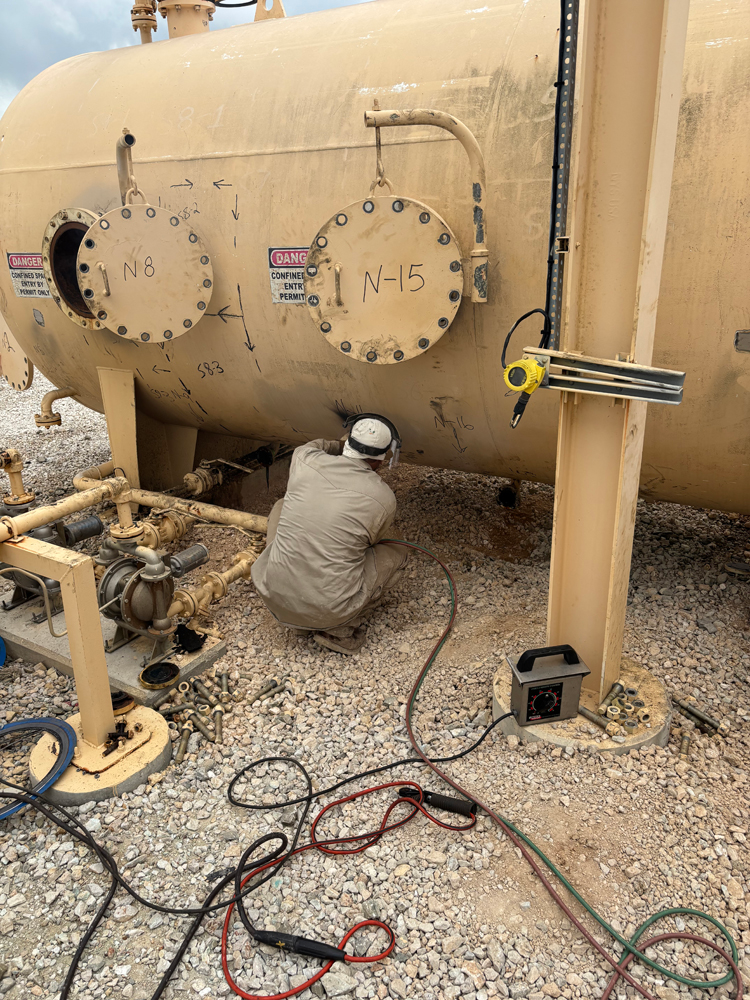
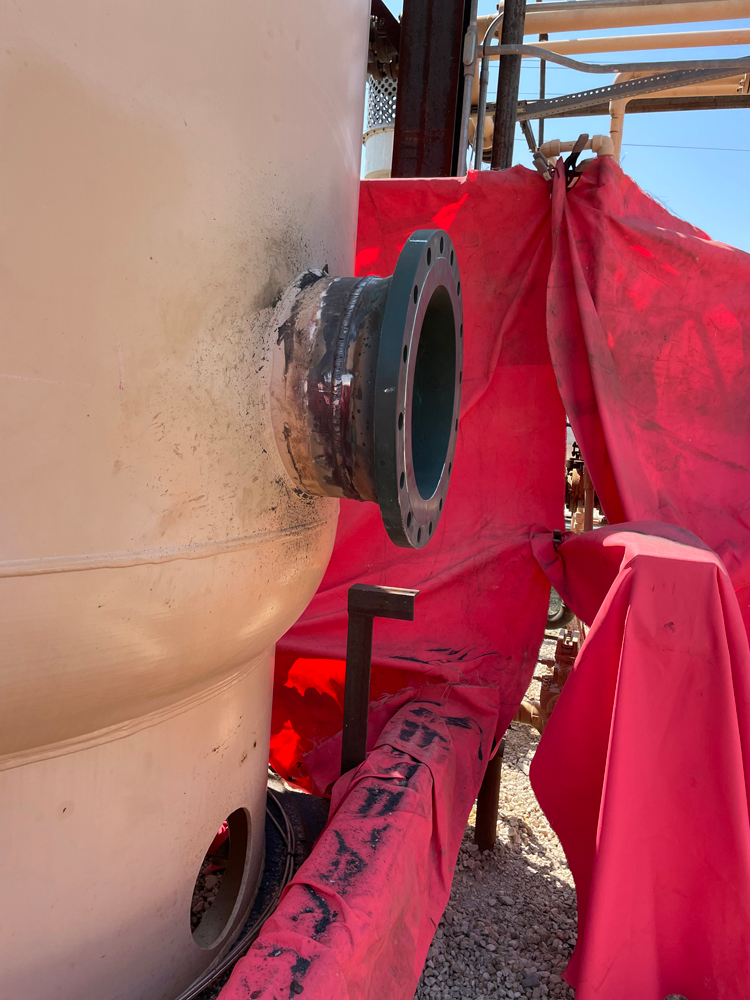
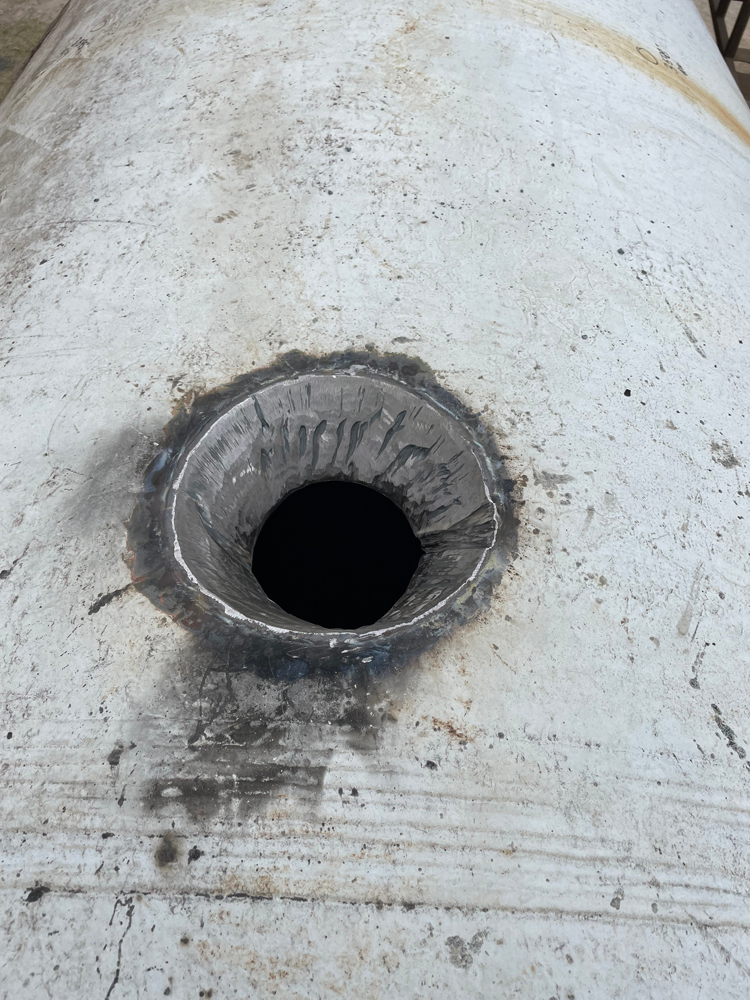
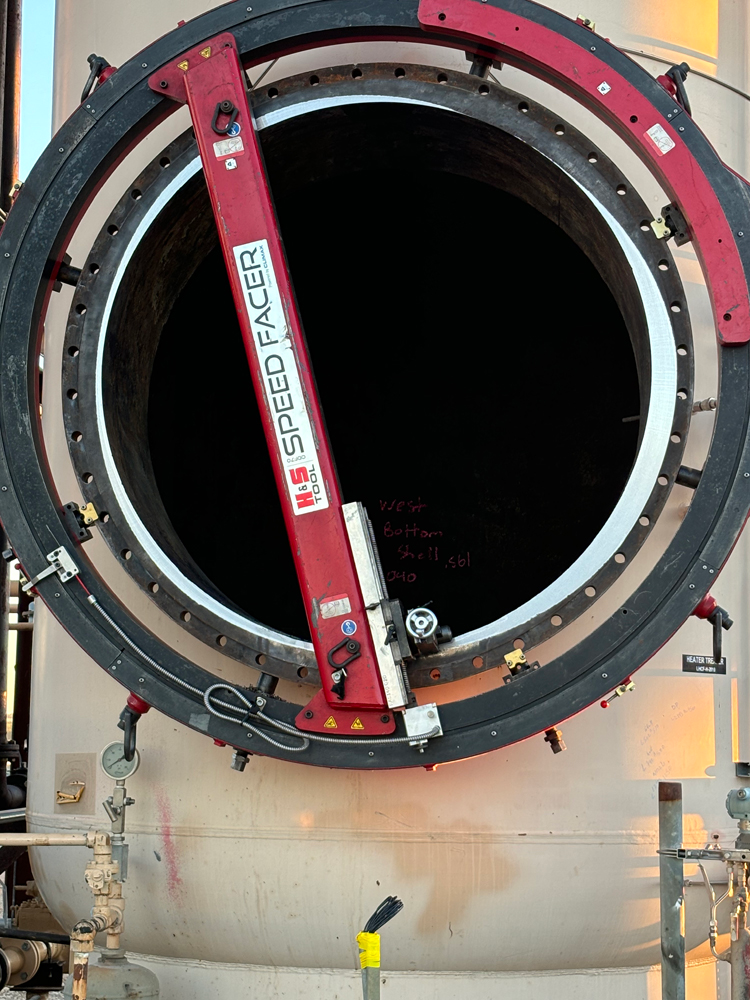
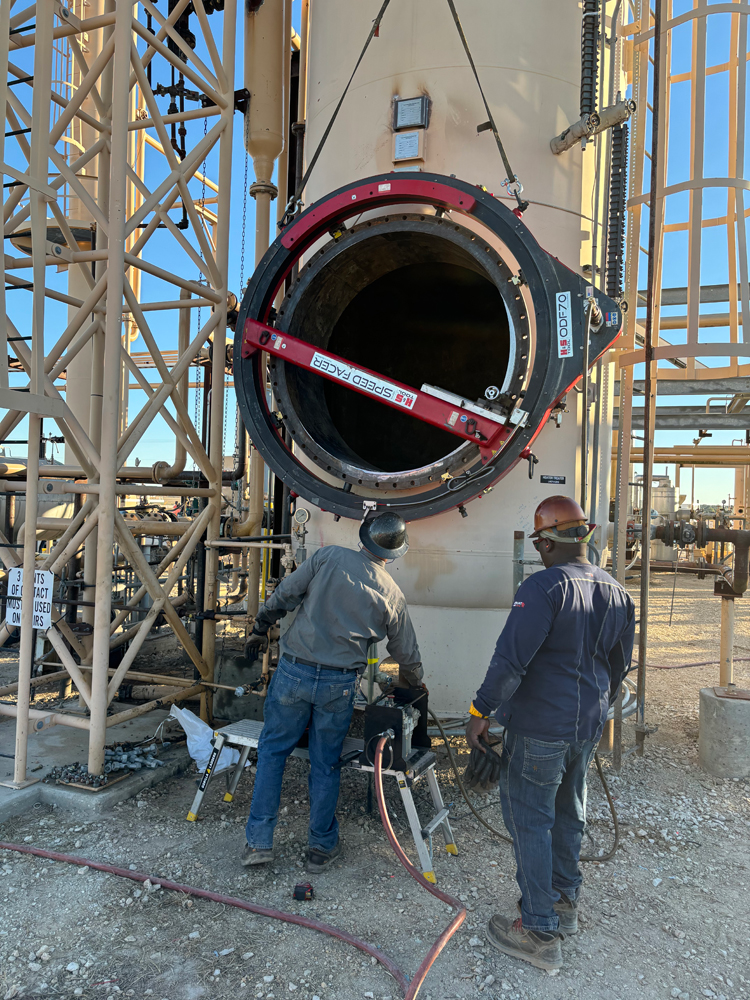
OPS provides both in-shop and on-site repair capabilities. Field crews mobilize quickly with certified welders, fitters, and QA personnel. They handle tasks like crack repair, nozzle replacement, baffle rework, or localized corrosion damage without removing the vessel from service. Should a team need full vessel access, the team transports the unit to its facility for full disassembly, weld prep, and structural reinforcement.
Each job starts with a full inspection and is followed by documented procedures using approved materials and methods. OPS also handles reassembly, hydrotesting, and final re-certification where required.
Alterations involve more than simple repairs. The team modifies vessels to:
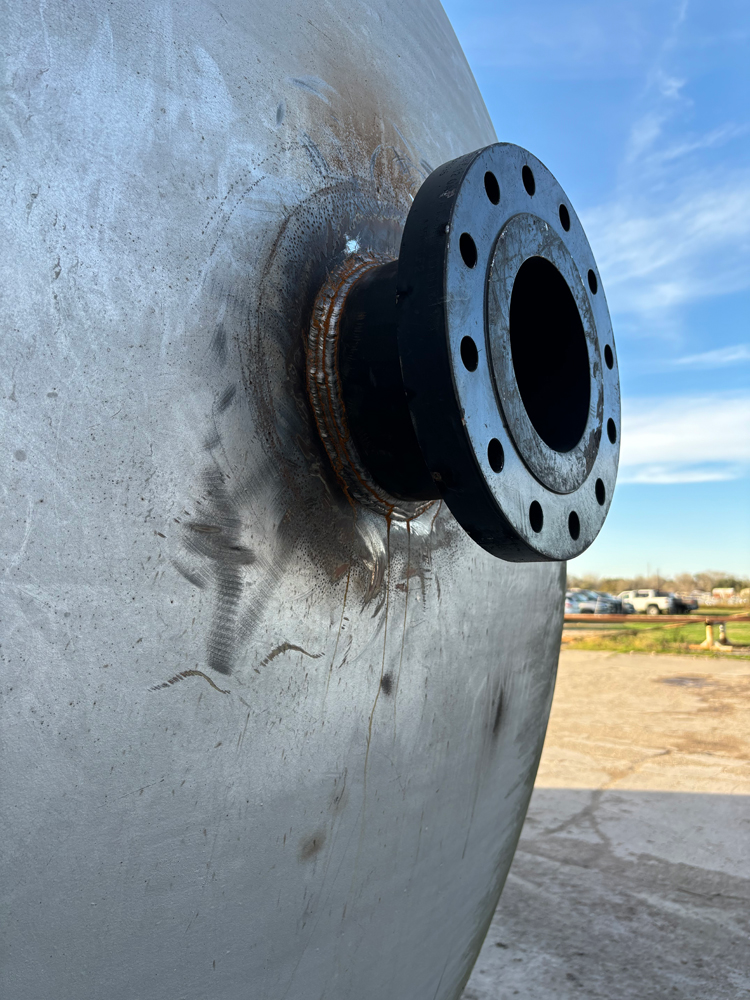
Oak Process Systems builds pressure vessels that meet the demands of modern oil and gas production. With proven experience across upstream and midstream operations, OPS delivers equipment that performs under pressure, safely, reliably, and without compromise. Whether for new installations or certified alterations, operators trust OPS to deliver on spec, on time, and with lasting value.
 Optimized by Seraphinite Accelerator