Skip to content
 Measurement systems provide the data backbone for oil and gas operations, from production tracking to regulatory reporting. Accurate flow, temperature, and density readings ensure custody transfer integrity, system optimization, and compliance. Oak Process Systems delivers these capabilities through engineered solutions built to perform under real-world conditions.
Each variable impacts asset performance, regulatory compliance, and revenue accounting. Whether tied to custody transfer or internal allocation, these readings must stay precise, repeatable, and fully traceable over time.
To meet that need, instruments API and AGA standards, then get integrated with SCADA, PLC, and historian systems to offer seamless visibility across assets. Field conditions drive design, piping layout, fluid type, and environmental exposure all shape sensor placement, housing, and communication protocols. Every device, from a flow transmitter to a densitometer, get installed and calibrated to preserve data quality from field to control room.
Measurement systems undergo full loop checks and transmitter calibration before entering service. Analog and digital signals are verified through I/O mapping, while temperature, flow, and pressure transmitters get adjusted against certified references. Technicians confirm data conversion aligns with control logic, and document the results for audit. This process ensures each system reads accurately, communicates cleanly, and aligns with operational expectations from day one.
Lease Automatic Custody Transfer (LACT) systems offer real-time measurement and control for high-value liquid transfers. They allow buyers and sellers to track volumes, verify quality, and initiate sales with minimal human input. These systems combine meters, samplers, and automated valves to ensure consistent, contract-grade handoffs.
Each LACT package tailors to the site’s flow rate, product type, and audit needs. Pumps, sample chambers, and control panels get integrated onto a skid for efficient install and operation. Technicians build the units to meet strict regulatory and commercial guidelines, with performance backed by traceable calibration data.
Every component on the LACT skid serves a critical role in flow verification and control. Several subsystems work in coordination to ensure consistent transfer accuracy, such as:
Automated samplers collect flow-based samples at set intervals. These composite samples reflect the full batch and support BS&W analysis, which measures water and sediment content. This protects both parties by confirming product integrity at the point of transfer.
Local panels coordinate the full skid, including opening valves, starting pumps, logging batches, and responding to alarms. Operators use these panels to monitor each transaction and ensure setpoints are met before transfer begins.
These meters measure actual volume, not estimated flow rate. Internal chambers turn as liquid moves through, creating repeatable counts regardless of pressure swings or viscosity changes. Their precision supports tight contract tolerances.
Provers validate meter accuracy while flow is active. Strainers go upstream to trap solids that could impact readings or damage sensitive components. Together, they keep the system calibrated and clean during high-throughput operations.
Remote access links data to site PLCs or SCADA networks. Flow totals, alarm logs, and batch records are available in real time and backed up for audits or custody disputes.
Together, these systems uphold API 11N and API 6.1 standards. Accurate LACT transfers protect both value and accountability, down to the last barrel.
Orifice meter runs are precision-built piping assemblies used to measure gas flow through differential pressure. They rely on an orifice plate that creates a pressure drop, allowing operators to calculate flow rate based on upstream and downstream readings. These systems are popular in custody transfer, allocation metering, and compliance reporting across midstream and upstream operations.
Each run includes a calibrated orifice plate housed within a flanged spool, with pipe lengths sized to minimize turbulence and maintain accurate flow profiles. Orifice diameter, plate type, and beta ratio must match system conditions to deliver consistent, repeatable results. Proper installation and routine verification are critical to meet API and AGA standards.
The orifice meter run starts with the right spool design. Piping must include straight runs upstream and downstream to condition flow and reduce swirl or vibration. Flow conditioners or tube bundles get added if upstream piping can’t meet straight-run requirements.
Tap locations for pressure readings are placed at specific distances from the plate to ensure valid differential capture. Beta ratio, or the ratio of orifice diameter to pipe diameter, gets carefully selected based on pressure drop, gas velocity, and meter capacity. Each of these elements must work together to prevent signal loss and measurement errors.
Metering skids are preassembled systems that combine flow meters, analyzers, control devices, and structural framing into a single modular unit. These packages deliver reliable, high-accuracy measurement for liquid or gas streams in custody transfer, blending, or allocation roles. Operators rely on them to simplify installation, reduce site work, and ensure compliance with measurement and reporting standards. At OPS, we build,
wire, and test each component before shipment to ensure drop-in functionality.
Each skid is customized to the application’s flow profile, product type, and system controls. Packages may support fiscal metering, batching, or multi-product transfer. Crews build, wire, and test each component before shipment to ensure drop-in functionality.
Technicians install orifice, Coriolis, turbine, or ultrasonic meters based on fluid type, accuracy range, and required flow rates. Each selection aligns with system dynamics to ensure repeatable, traceable measurements during varying load conditions.
Gas chromatographs, BS&W monitors, and moisture analyzers are paired with sample systems and calibration loops for continuous, real-time feedback. These tools validate product quality and support compliance with custody and sales contract terms.
Skids include process piping custom fabricated for exact spool lengths, elevation changes, and thermal expansion allowances. OPS welds and assembles all components under certified company or customer procedures to eliminate misalignment and flow disruption.
Skids and supports are fabricated from carbon or stainless steel with grating, drip pans, and lifting lugs to meet site handling and durability needs. Every structure supports safe access, equipment weight, and long-term environmental exposure.
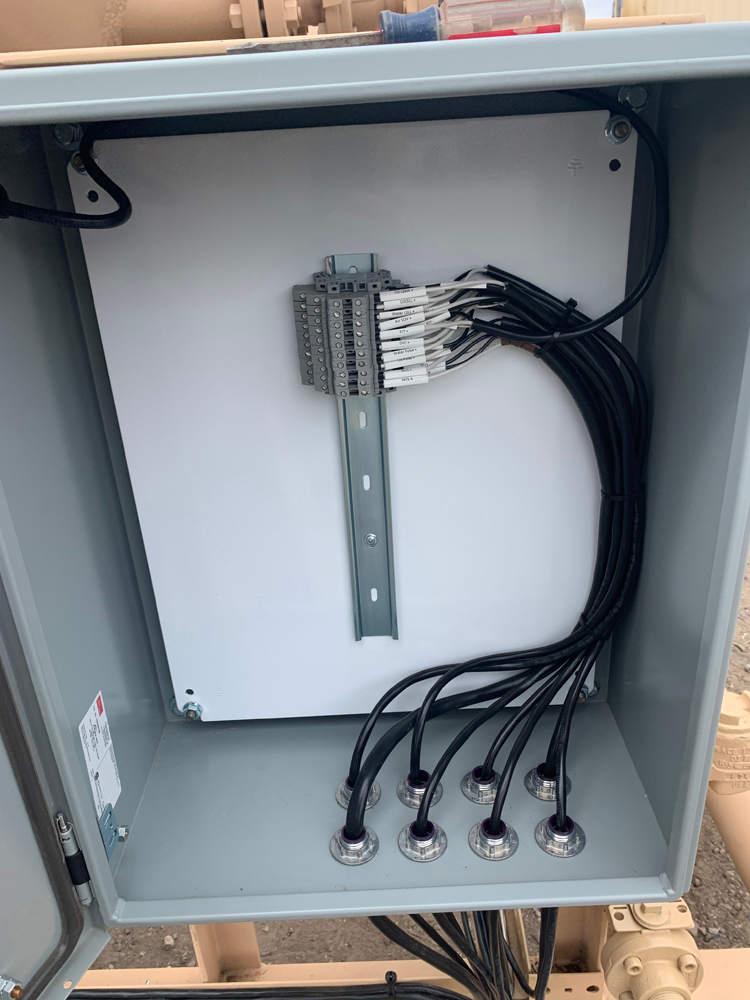
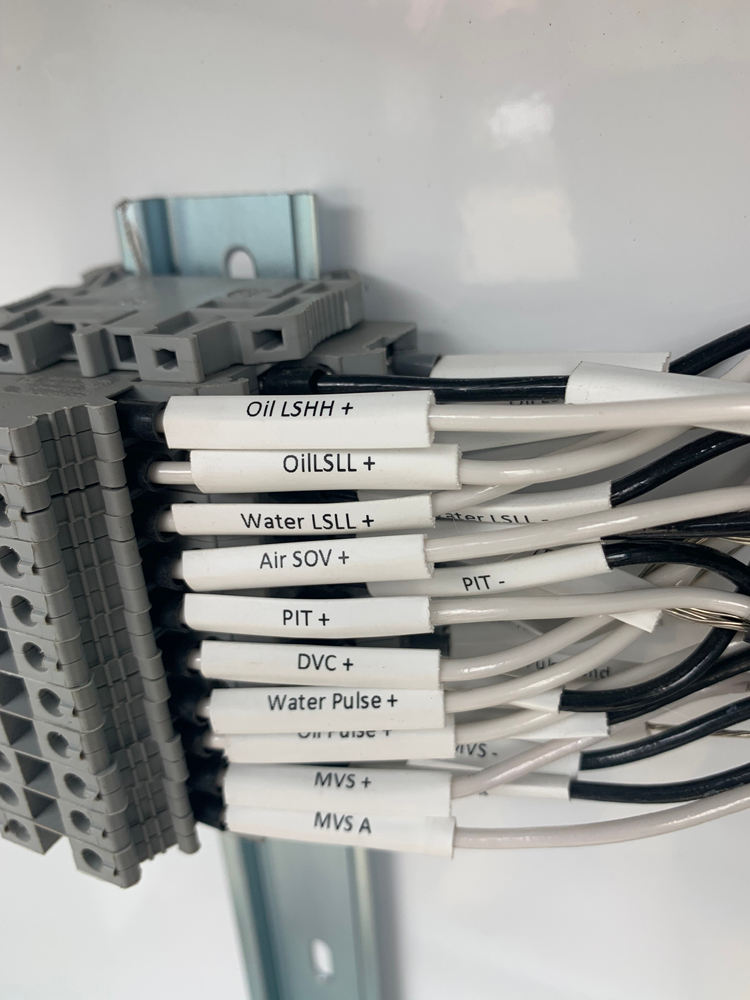
OPS can pre-wire transmitters, alarms, and control panels to terminal strips for fast field connection and startup. All terminations follow loop drawings and meet industry classifications where required.
Each metering skid undergoes full factory acceptance testing before shipment. On-site hookup capabilities include tie-ins to process piping, calibration checks, and communication with SCADA or PLC systems.
Coriolis meters excel at low flow ranges, making them suitable for applications that demand high accuracy even at minimal throughput. Their ability to measure multiple variables, such as:
The OPS team can design each skid for simple tie-in with minimal field adjustment. OPS mounts all meters, piping & instruments to control vibration in order to protect signal accuracy, and the structural skid supports both horizontal and vertical orientations depending on system layout. Skids come wired to local transmitters or remote I/O panels, depending on client specification and control room needs.
Communication supports digital protocols like Modbus, HART, or Foundation Fieldbus, allowing integration with SCADA or PLC systems for real-time monitoring. Temperature and density readings are calibrated to support batching, blending, or custody transfer workflows without additional instrumentation.

 Optimized by Seraphinite Accelerator