Skip to content
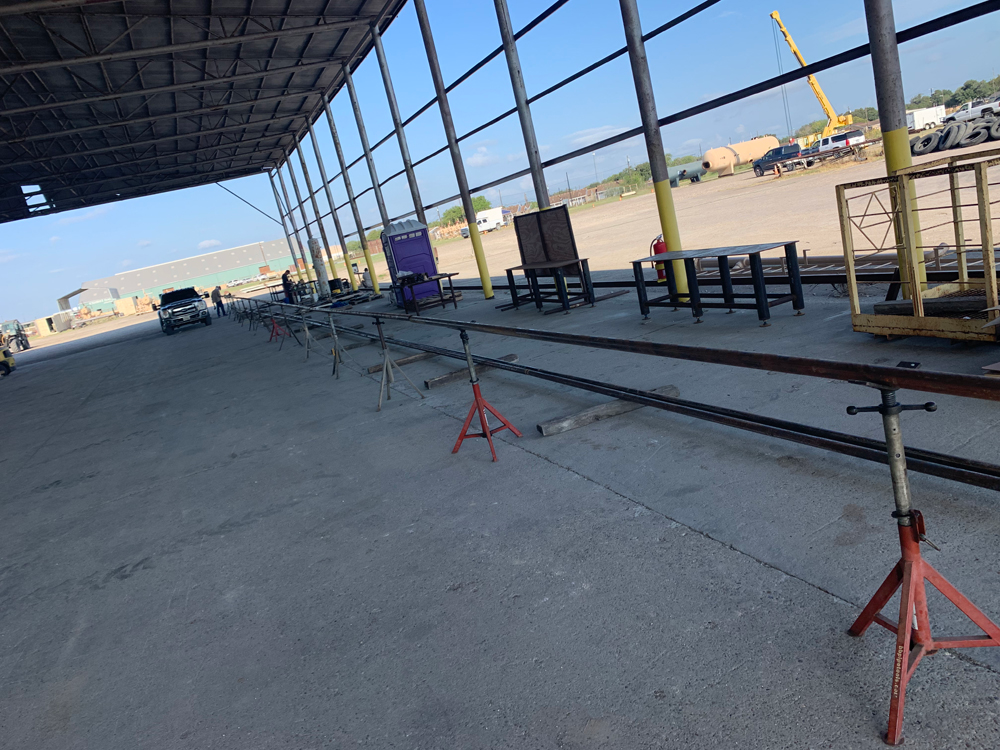
 Fabrication and welding sit at the core of safe, efficient energy infrastructure. With deep experience across upstream and midstream operations, Oak Process Systems delivers precision-built components that meet the demands of high-pressure, high-performance environments.
Our teams handle everything from ASME-coded vessels to field-assembled pipeline systems, built to spec and delivered on schedule. Backed by certified welders and proven processes, OPS supports both new construction and retrofit/maintenance projects as a full-service partner, not just a fabrication shop.
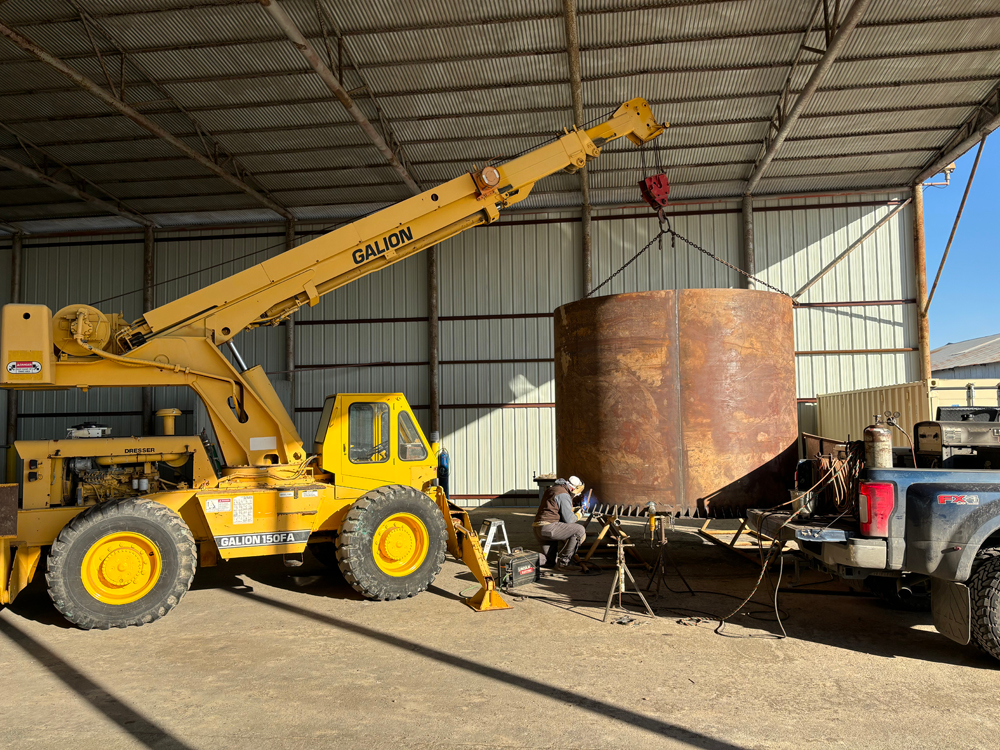
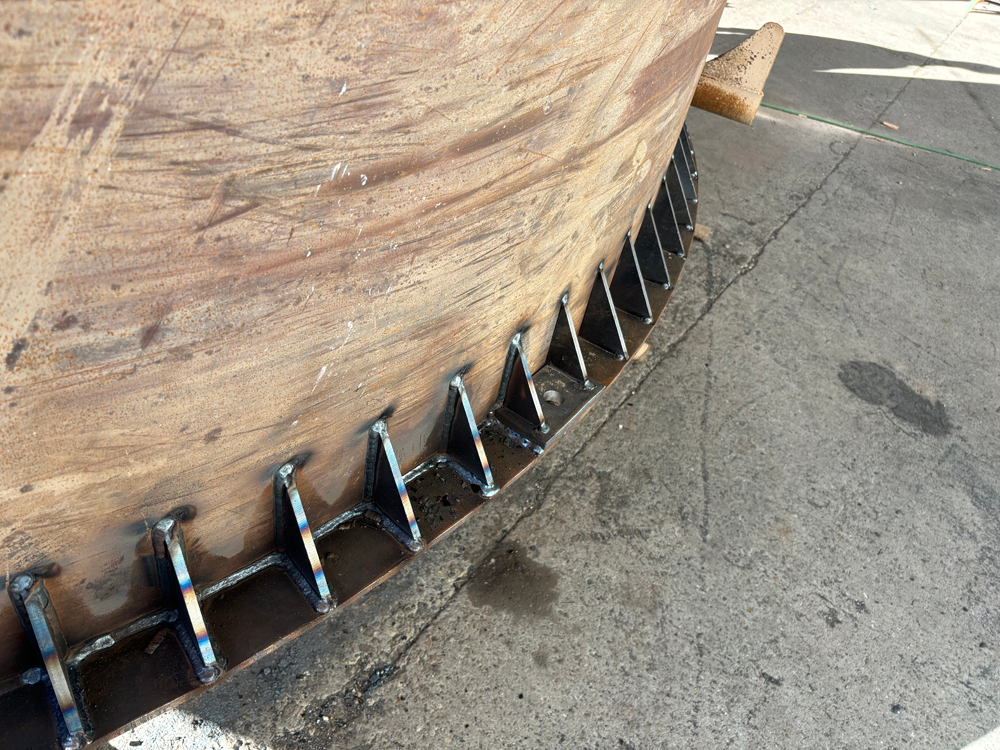
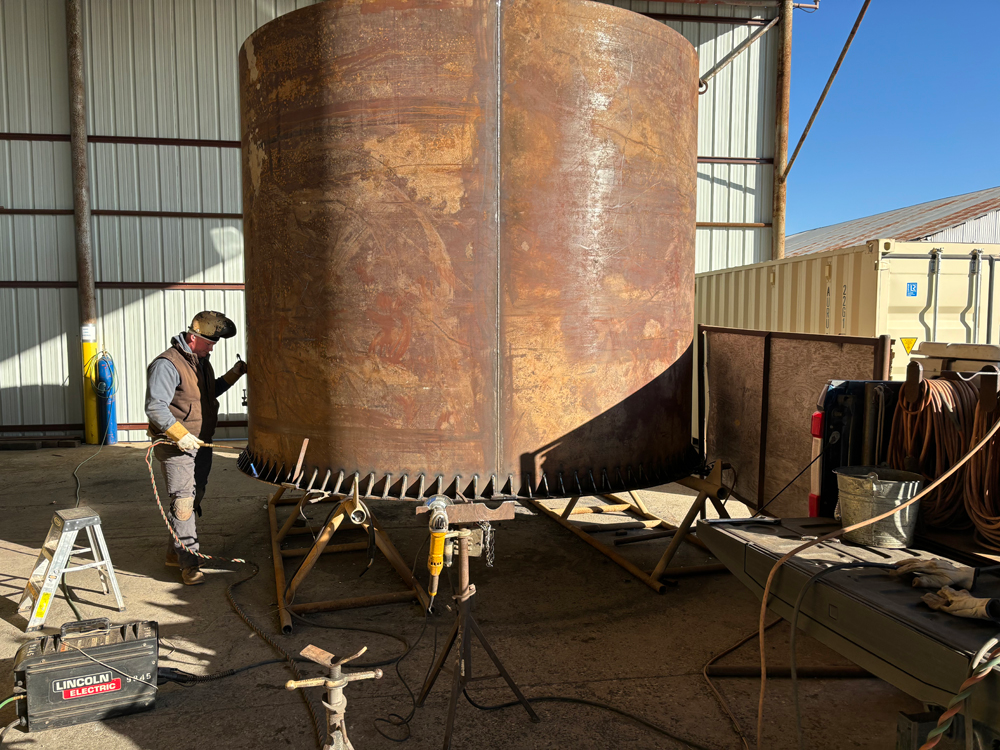
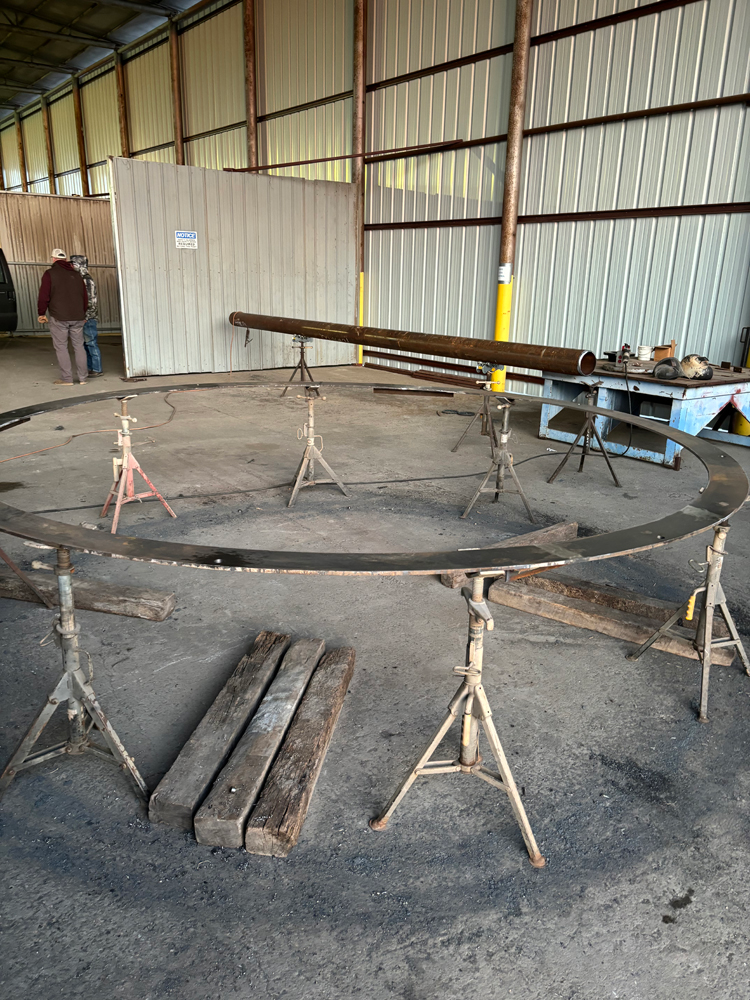
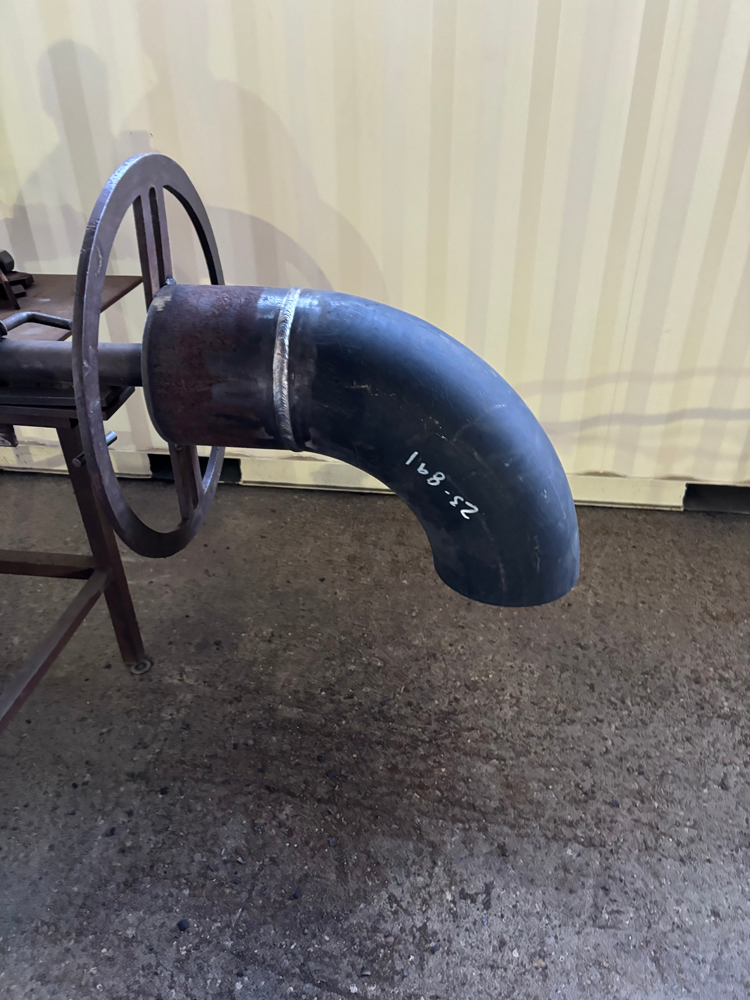
Fabrication and welding serve as the backbone of oil and gas infrastructure. These services bring designs to life by cutting, shaping, fabricating and assembling components that must perform under pressure, heat, and corrosive conditions. From wellsite flowlines and production skids to midstream systems, trained and certified personnel fabricate equipment and structures to ensure safety, efficiency, and compliance across every phase of energy transport and processing.
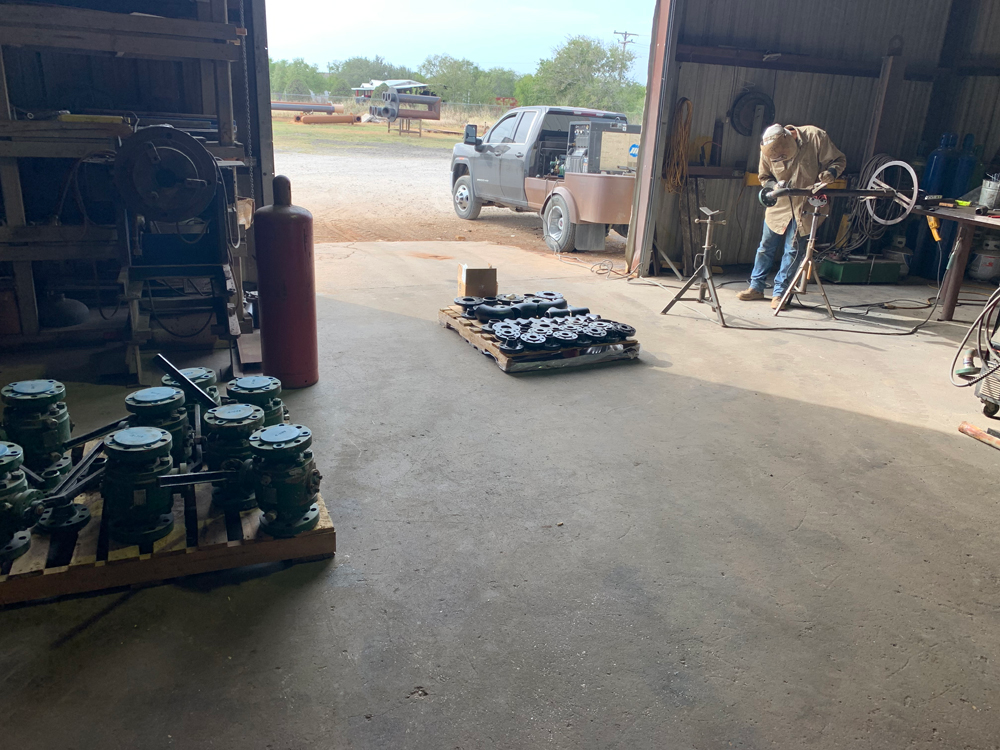
OPS handles all stages of fabrication in-house. The team builds a host of components with high accuracy, including:
Welders follow qualified procedures and work across a range of materials including carbon steel, stainless, and high-performance alloys required for sour service or high-temperature/corrosive conditions.

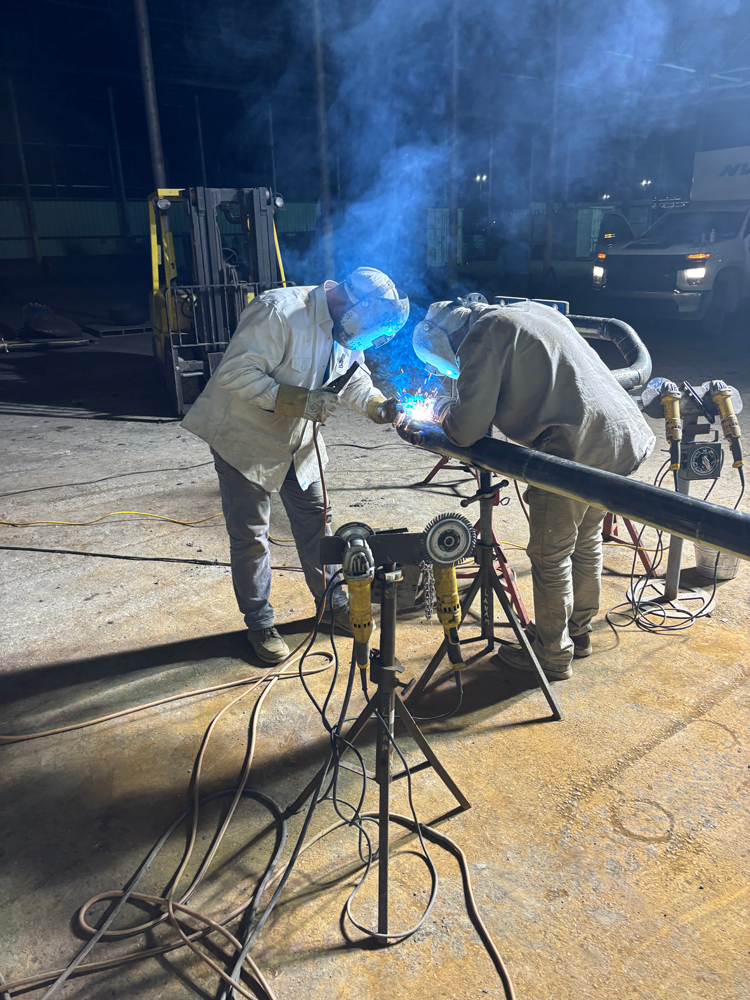
OPS welders follow strict procedures qualified to industry standards. The company supports a wide range of welding processes, depending on the application and material, including:
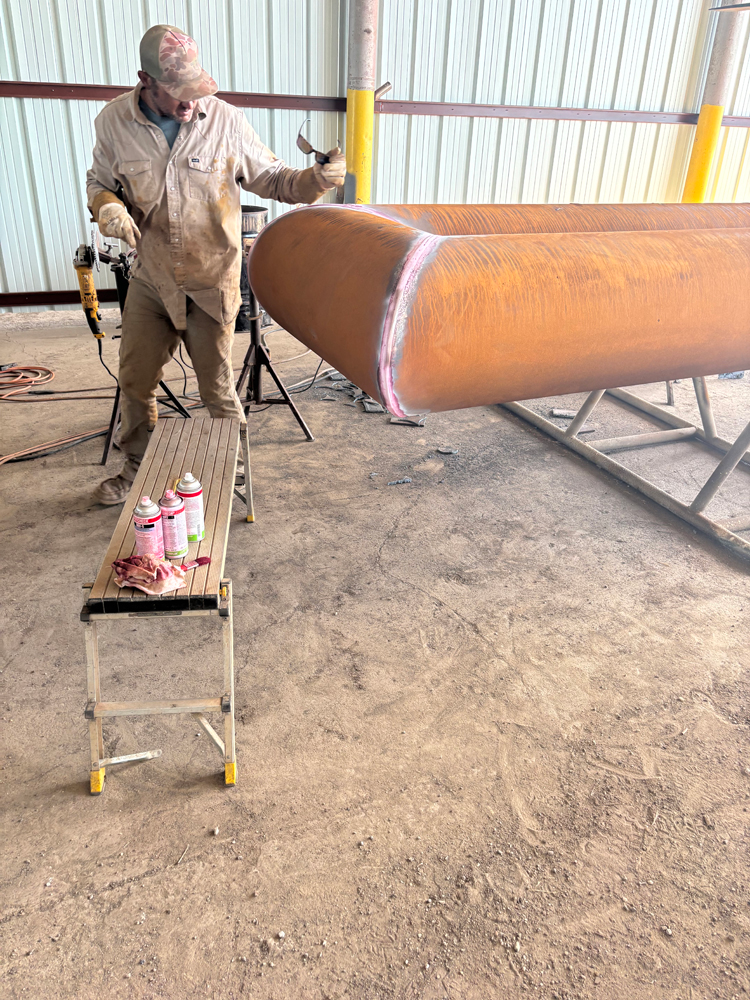
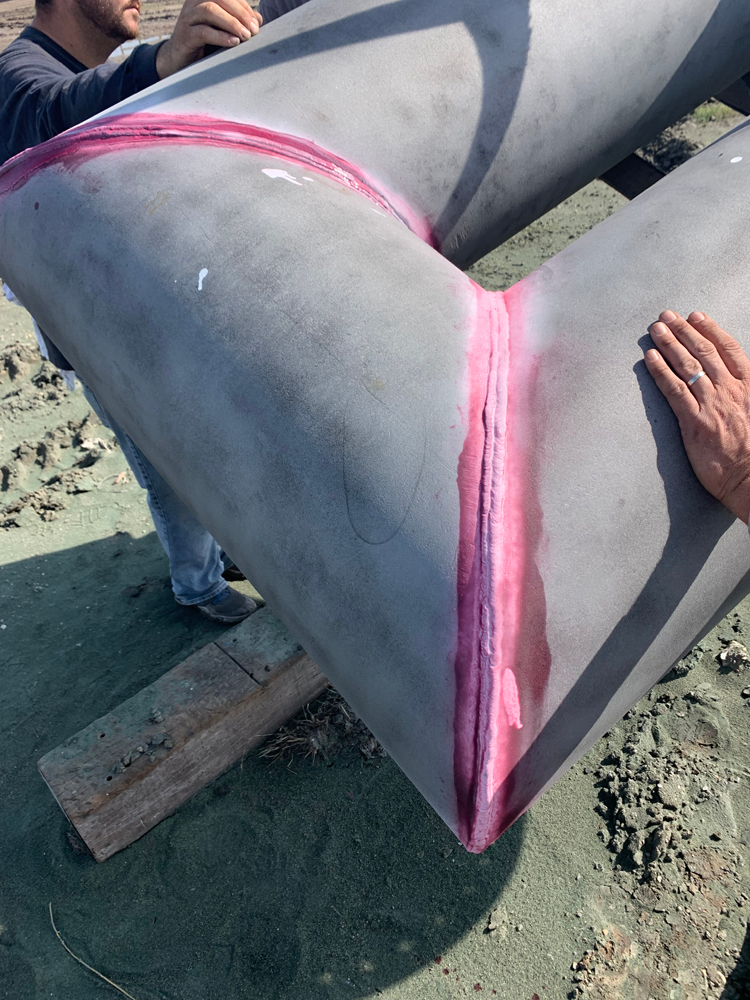
Every weld receives the level of inspection appropriate for the project, ranging from visual and dimensional checks to radiographic and ultrasonic testing for critical components. OPS tracks each weld with full traceability, including including heat number and weld mapping. This commitment to procedure and documentation gives clients confidence that every weld meets or exceeds applicable code and performance expectations.
Fabrication doesn’t stop at the shop. The team builds modular systems designed for easy transport and rapid installation in the field. Skid-mounted vessels, piping spools, and mechanical packages arrive assembled and tested, reducing on-site labor and minimizing startup delays.
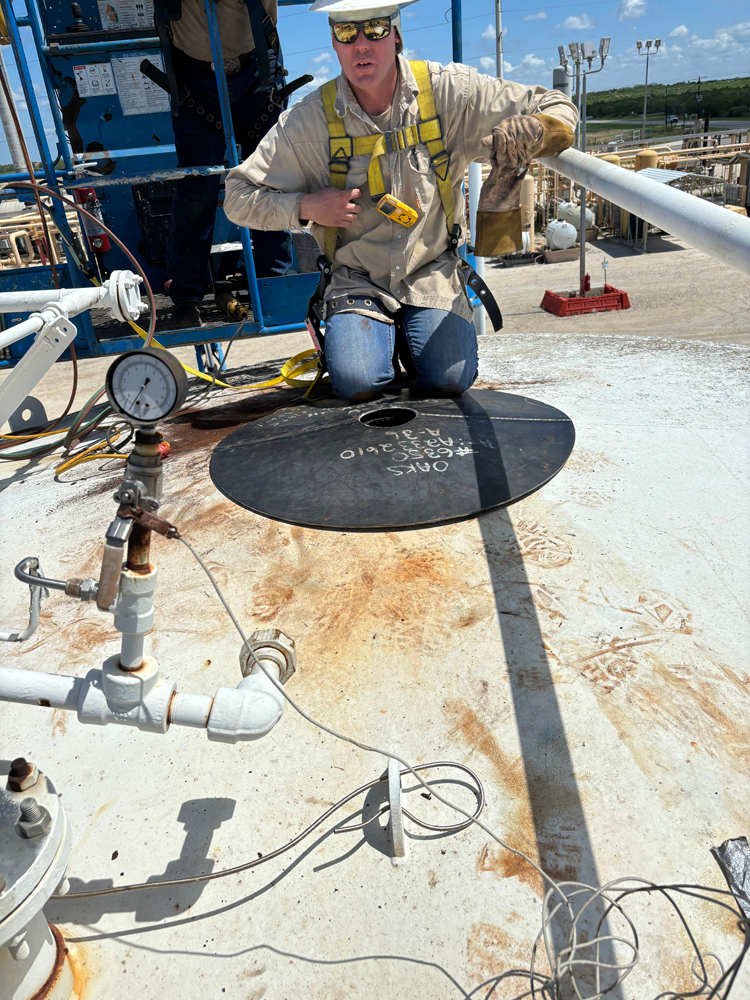
For retrofits or field repairs, OPS dispatches certified field crews to weld, modify, or install components on location. These mobile teams bring the same tools, oversight, and quality controls as in-house builds, ensuring consistent results results from the fabrication floor to field deployment.
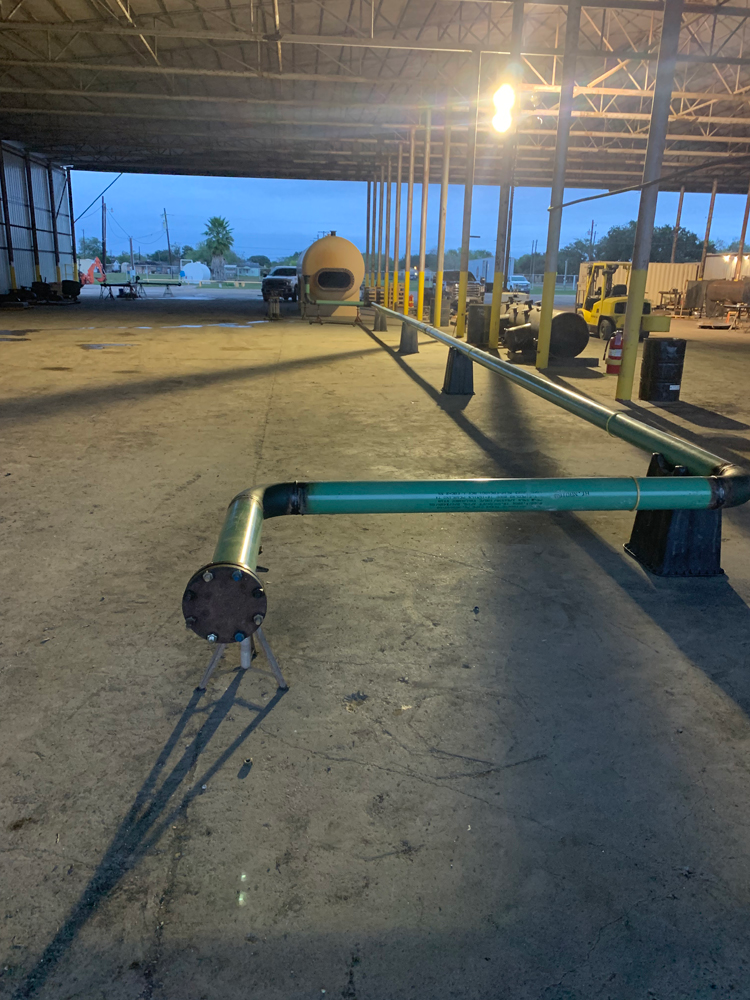
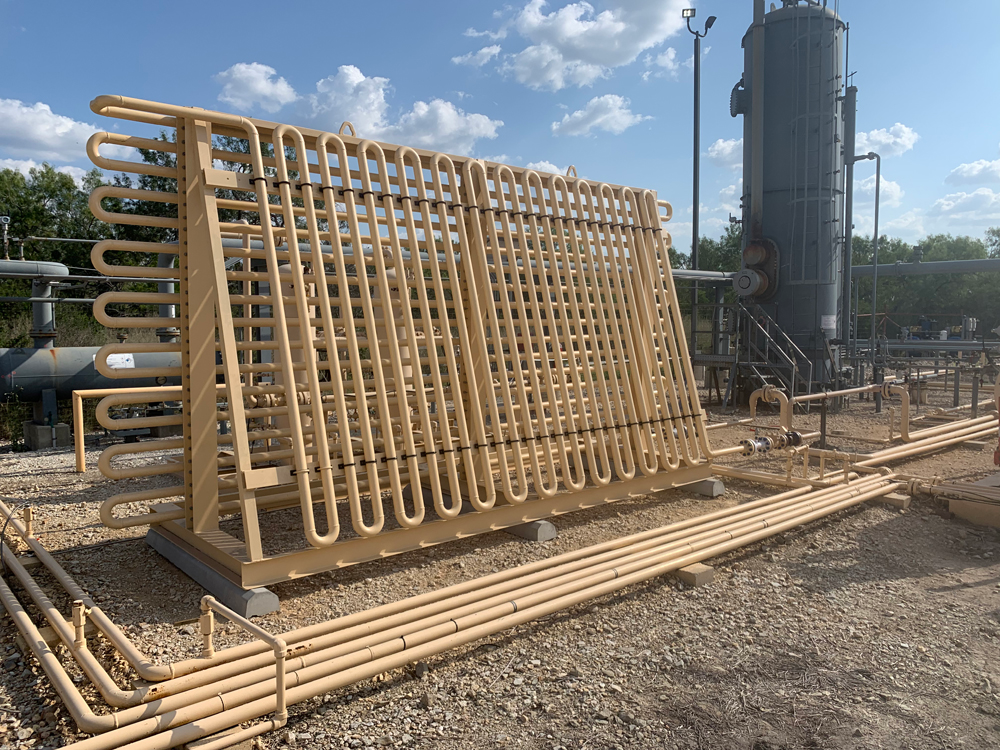
Process and utility piping carry oil, gas, water, steam, and chemical streams across all stages of energy production and transport. These systems must withstand high pressure, corrosive materials, temperature fluctuations, and continuous use. OPS fabricates and installs piping systems that meet performance requirements while staying aligned with field conditions and regulatory standards.
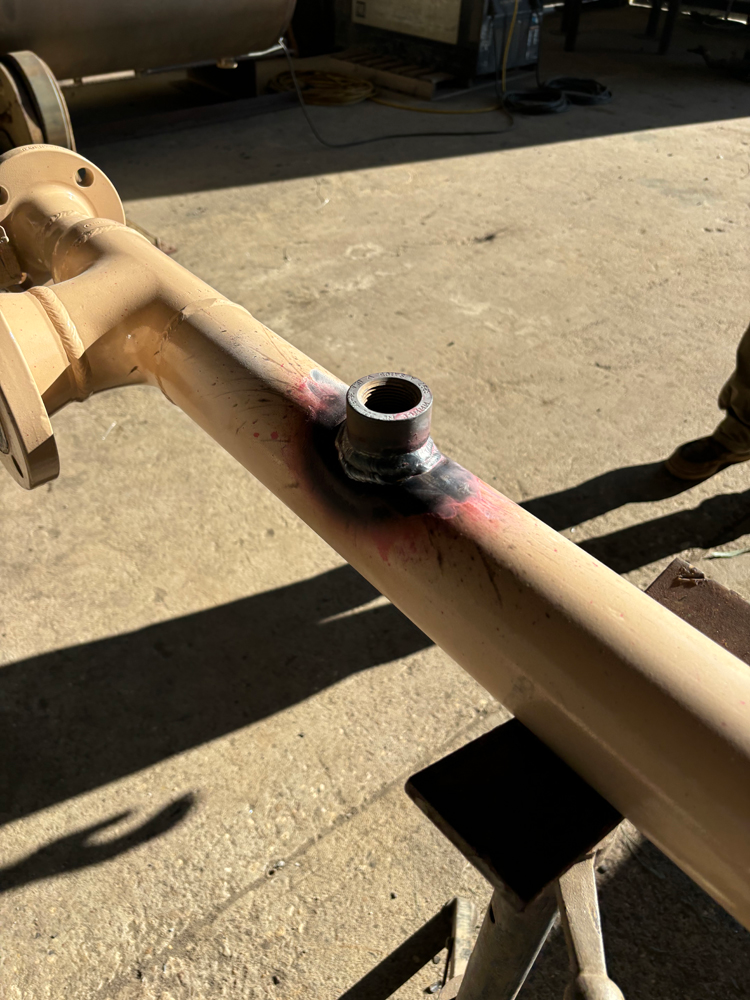
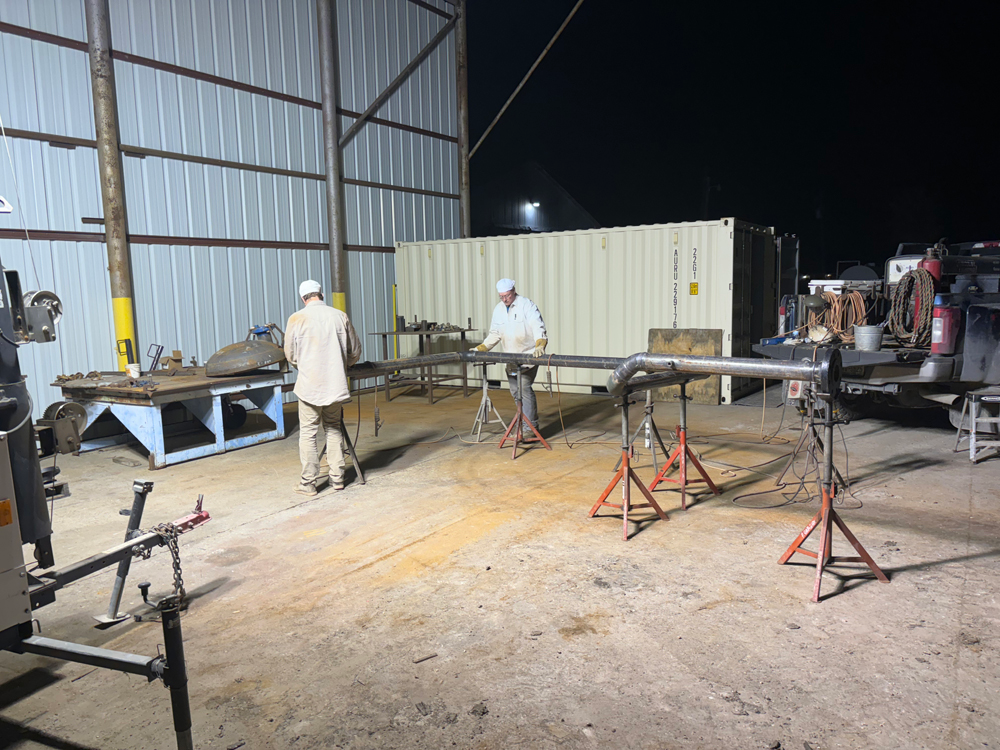
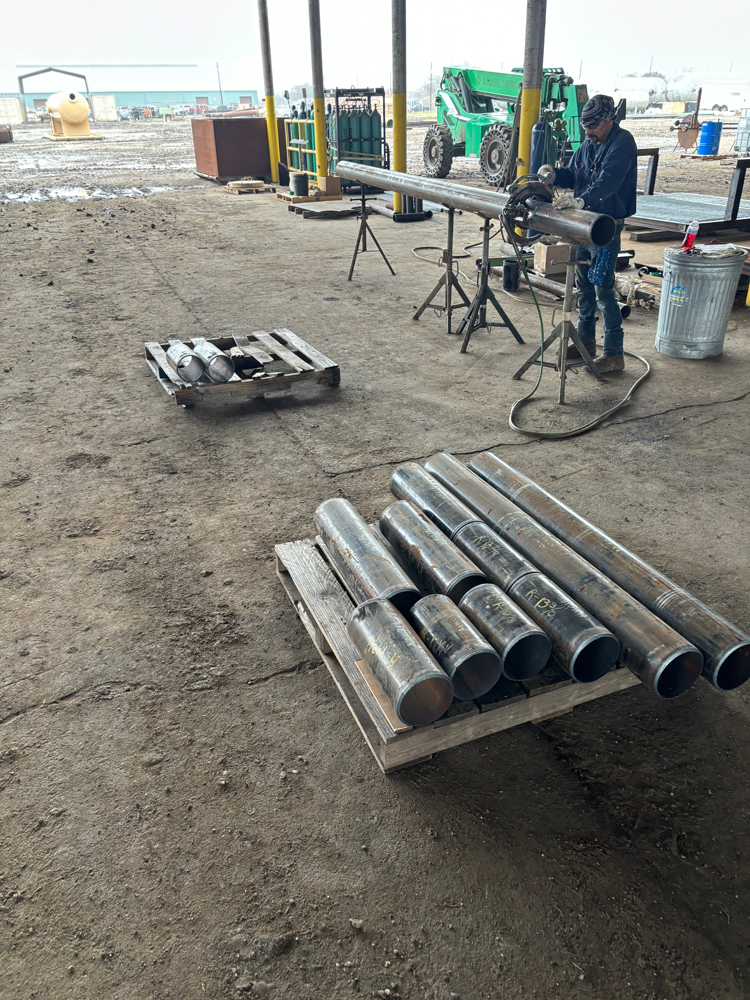
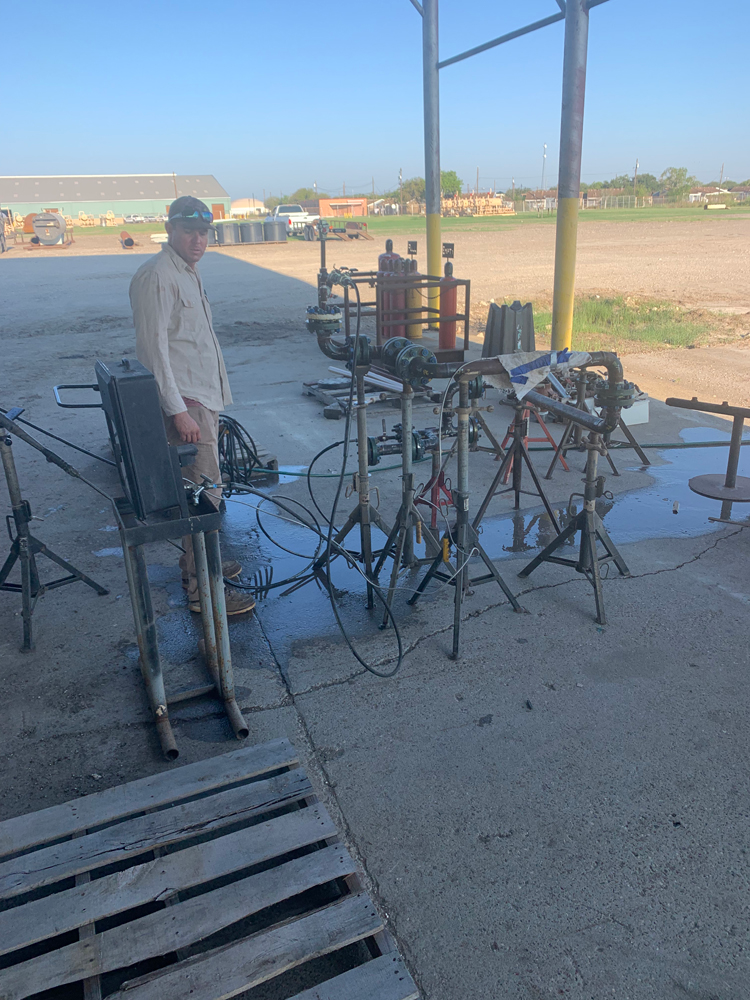
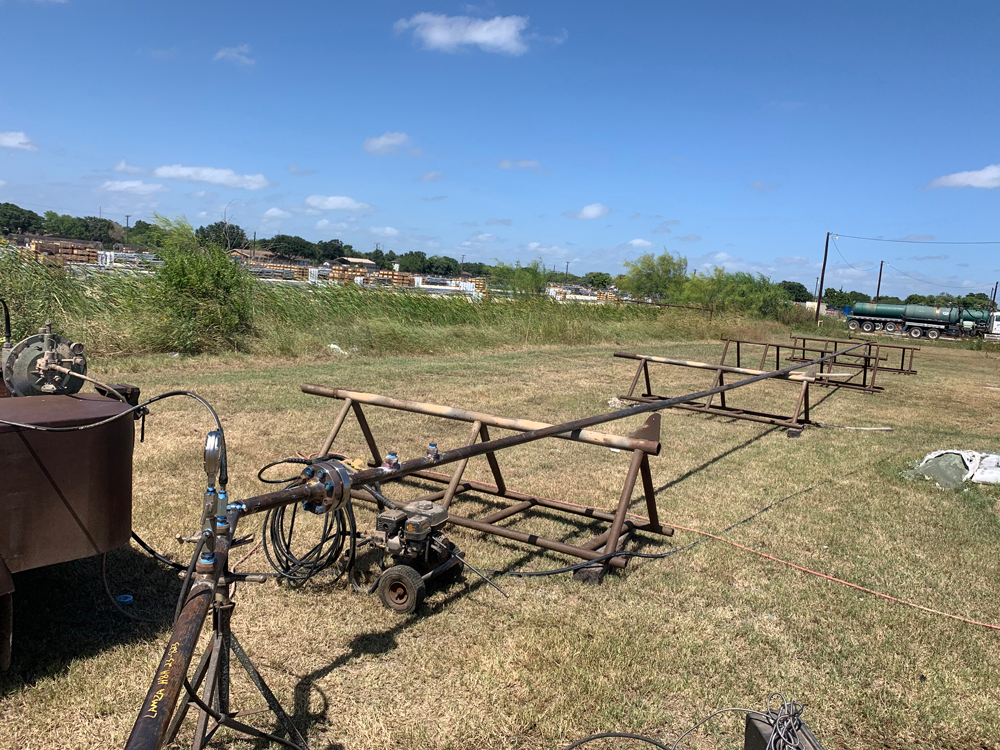
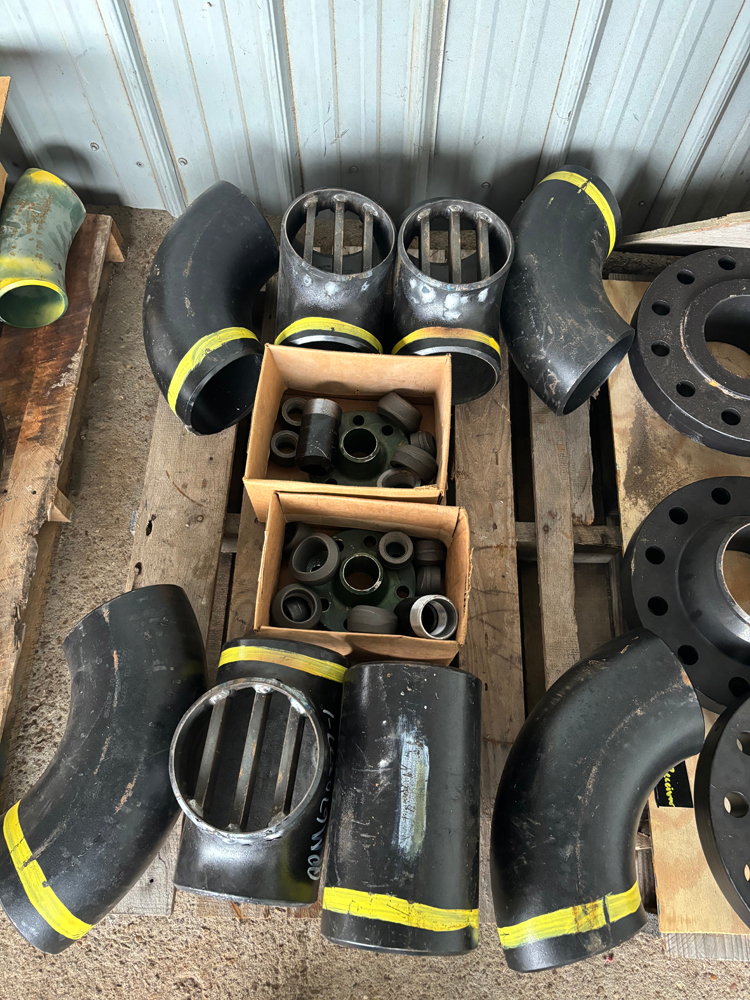
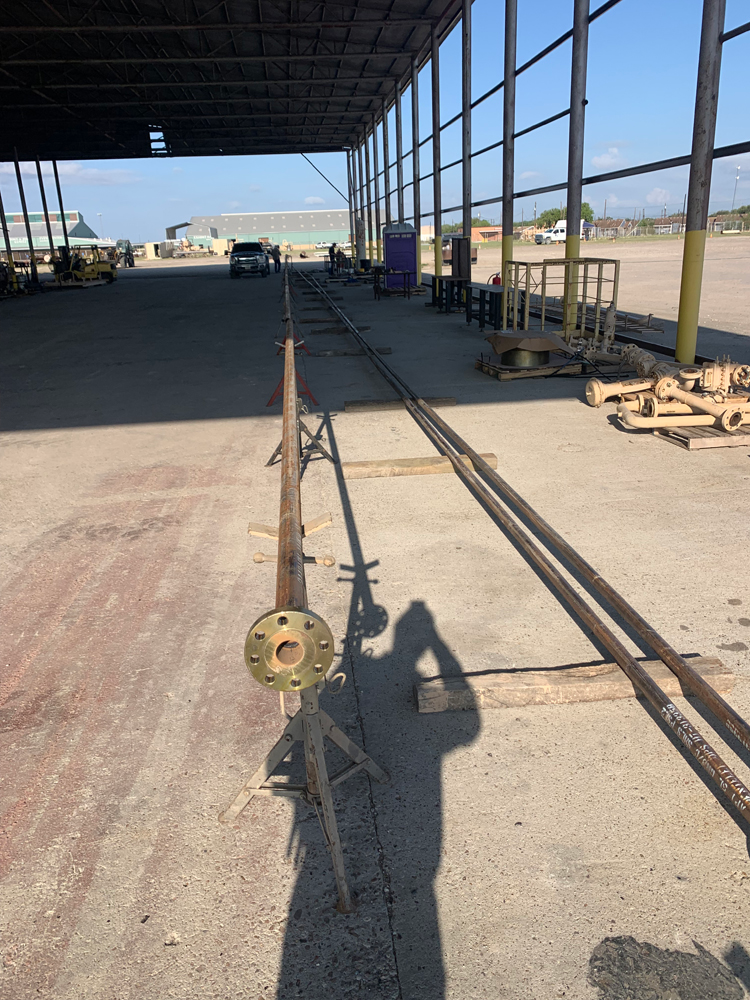
The team fabricates pipe spools in-house using qualified welding procedures and certified materials. Every weld receives the appropriate inspection, whether that’s visual, X-ray, or ultrasonic, and each pipe segment gets hydrotested before delivery or installation. The company produces individual spools or complete piping packages that integrate seamlessly with vessels, skids, and modular systems. The team manages key components to reduce network and field delays, including:
OPS also supports piping installation in compressor stations, metering skids, dehydration units, and processing facilities. Crews handle bolt-ups, tie-ins, and final weld-outs either in the shop or on location. The same QA/QC standards and documentation apply, whether the system is delivered preassembled or completed on site.
OPS fabricates piping systems across a wide range of energy applications. These include:
OPS uses corrosion-resistant materials and qualified procedures to handle H2S, CO2 and aggressive process fluids safely.
The team sizes and supports these lines to handle variable flow rates, flash conditions, and changing viscosities.
Certified Welders fabricate various size and schedule pipe to suit all pressure and temperature conditions.
The team fabricates piping for dehydration units with attention to flow control and thermal stability across temperature cycles.
Crews assemble and install these utility systems to keep instruments supplied and operating.
The team builds each system to match exact process demands and align cleanly with surrounding infrastructure.
OPS controls every step of pipe fabrication. Tradesmen prepare joints using mechanical
beveling or precision machining. Welds follow WPSs with full traceability, and every assembly is
visually verified before inspection or pressure testing. By maintaining this level of discipline,
OPS delivers piping systems that install cleanly, perform consistently, and meet code from end
to end.
Welds follow WPSs with full traceability, and every assembly is visually verified before inspection or pressure testing. By maintaining this level of discipline, OPS delivers piping systems that install cleanly, perform consistently, and meet code from end to end.
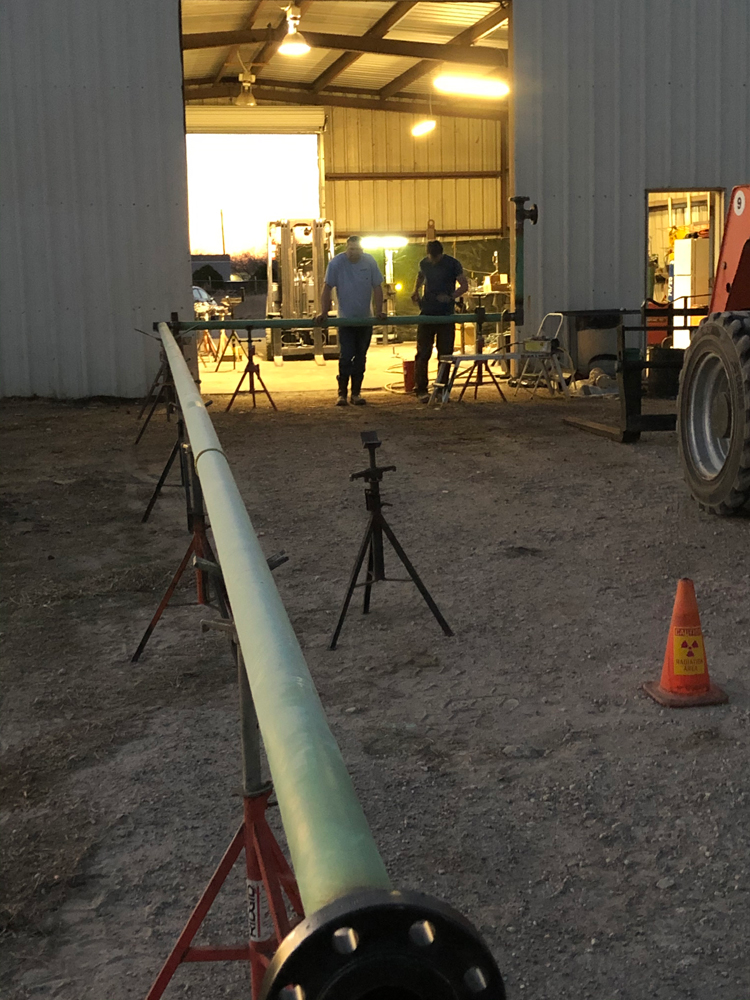
Pig launchers and receivers provide access points for cleaning, inspecting, and maintaining oil and gas pipelines. These systems allow operators to insert and retrieve pipeline pigs, tools used to clear buildup, verify internal conditions, or perform inline inspections. OPS fabricates launcher and receiver packages built for long-term service in both gathering lines and transmission systems.
Our team fabricates launchers and receivers to match line diameter, operating pressure, and pig type. The company can fabricate units as standalone barrels or as part of a fully skidded assembly with valves, kickers, and bypasses included. Welders follow certified procedures throughout, and each system undergoes dimensional verification, NDE, and hydrotesting before final delivery.
OPS builds pig launchers and receivers for sweet and sour service, high-velocity lines, and both permanent and temporary installations. The company supplies units for mainline applications, station blowdowns, and smaller laterals. Mounting options include ground, pier (helicoil), or skid-based setups depending on site requirements. Design features include:
OPS installs reliable closure mechanisms with O-ring or elastomer seals to ensure a tight, safe seal under full line pressure.
Each unit includes fixed guides or pup pieces that keep pigs aligned during launch and recovery, reducing wear and impact.
Technicians use these ports to depressurize, drain liquids, and safely open the closure after pigging operations.
Welded or bolted saddles distribute weight and stabilize the barrel during pressurized service and maintenance.
OPS includes manways or view ports for visual confirmation during staging or cleaning cycles.
The company delivers each unit ready for integration, aligned to match field layout and operational flow.
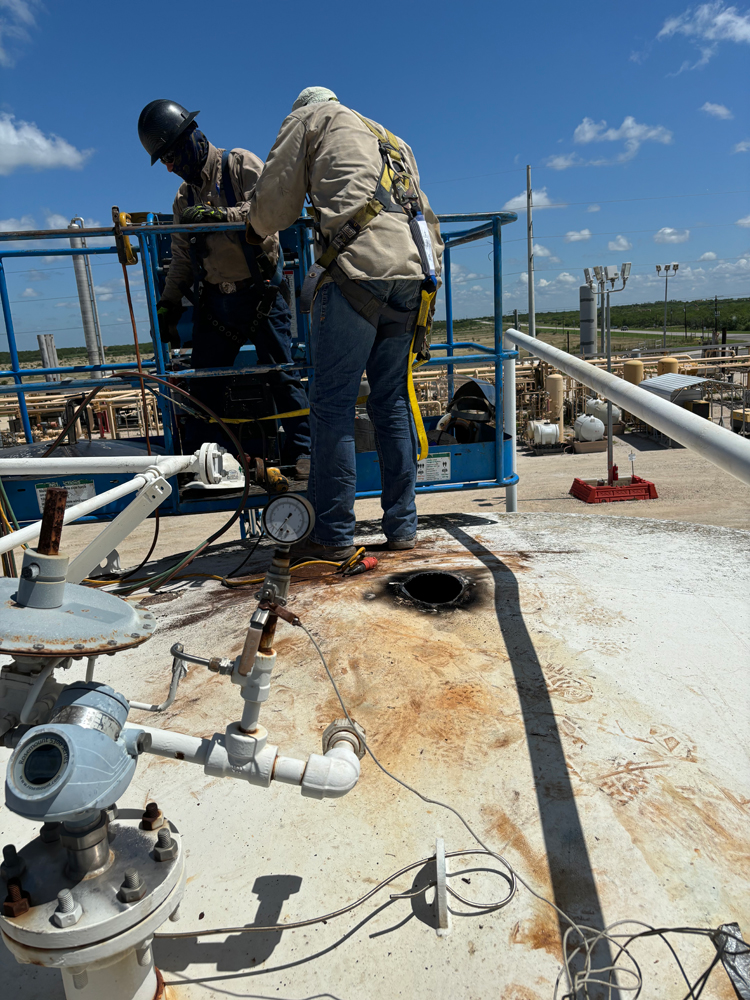
All welds follow approved procedures, and final assemblies receive dimensional checks to confirm proper fit with related systems. OPS ensures that ladders, platforms, walkways, and pipe supports meet safety codes and field expectations when building:
Welders fabricate heavy-duty baseplates and structural members for compressors, filters, or valve settings.
Mainline block valves create critical isolation points along a pipeline system. These valves allow operators to shut off sections for inspection, maintenance, or emergency response without taking the entire line out of service. Each valve setting must perform reliably under pressure, match the pipeline’s geometry, and provide safe operator access.
Welders follow strict procedures to align components with the mainline pipe, ensuring pressure containment and long-term stability. Crews also build the necessary access platforms and anchoring systems to protect the setting under load and simplify field operations.
Erosion control safeguards soil and every structure placed on it. Disturbed zones get protection using erosion blankets, turf mats, or geogrid layers based on slope and exposure. They:
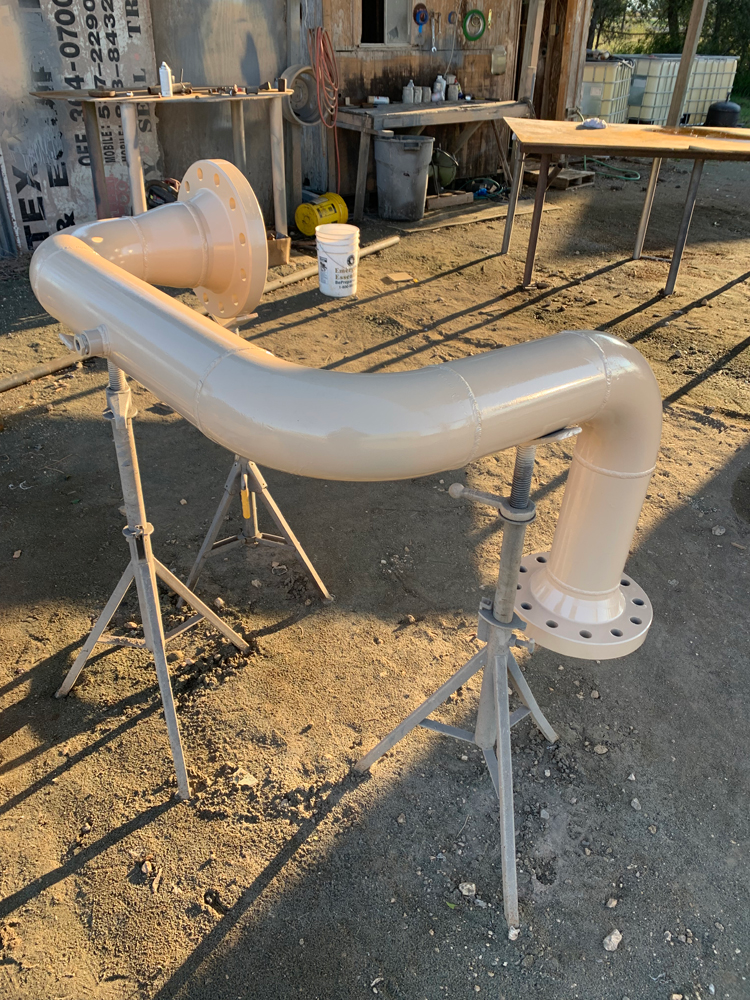
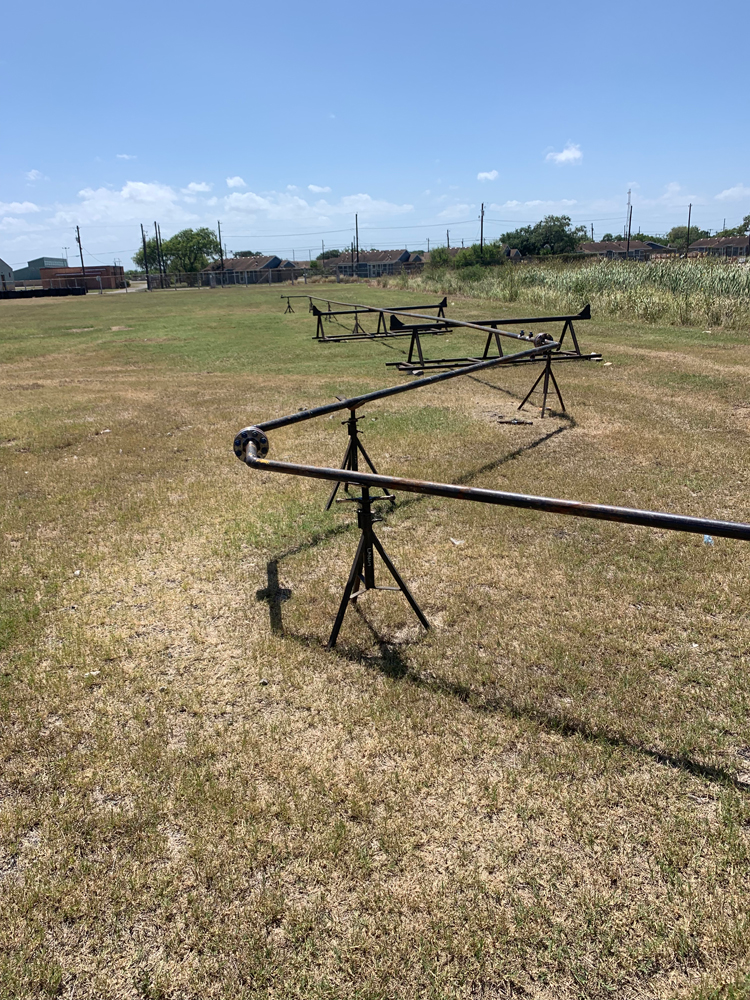
Pipeline segments connect major processing components across short distances, facility boundaries, or elevation changes. These runs often carry high-pressure oil, gas, or water and must hold alignment, seal integrity, and mechanical durability. OPS fabricates and installs short-run and station-based pipeline sections that tie into broader systems cleanly and efficiently.
Crews handle joint prep, pipe alignment, welding, inspection, and coating repair either in-house or on location. Each weld follows a qualified procedure and undergoes appropriate testing, from visual inspection to radiography or ultrasonic evaluation. The staff manages hydrotesting, field coating, and final documentation to ensure every section meets performance and safety expectations before commissioning.
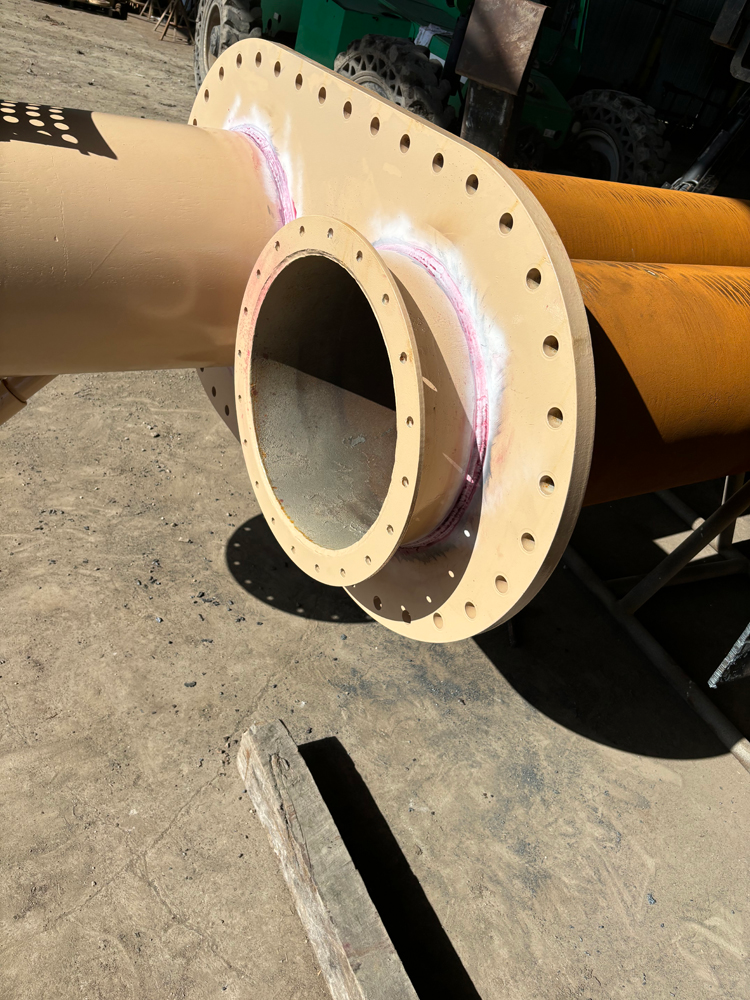
OPS matches each pipeline section to the project’s required material and dimensional needs.
Welders follow qualified procedures that meet customer and industry standards.
OPS matches each pipeline section to the project’s exact material and dimensional needs. Welders follow detailed procedures that control heat input, penetration, and spacing:
OPS matches each pipeline section to the project’s exact material and dimensional needs. Welders follow detailed procedures that control heat input, penetration, and spacing:
These elements stabilize the pipe against movement and control thermal expansion.
Crews add standoff supports, shields, and prep rings for insulation wrap or heat tracing.
Welders build custom supports that distribute weight and protect coated surfaces from abrasion.
OPS adds expansion allowances to prevent stress buildup in high-temperature lines.
Fabricated as-needed to support safe start-up, maintenance, or dewatering.
Each addition is fabricated to spec, installed with care, and integrated to match surrounding systems and site conditions.
 Optimized by Seraphinite Accelerator